
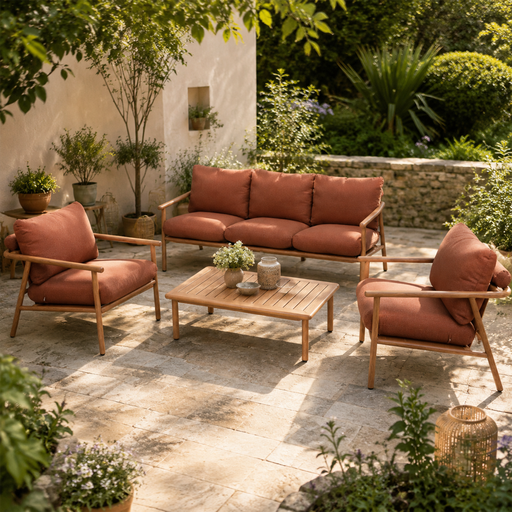
A patio, deck, or garden can become an extension of your living space when furnished thoughtfully — but outdoor furniture faces challenges indoor pieces never encounter: sun exposure, rain, humidity, and temperature swings. Choosing furniture built to withstand these conditions, while still looking great, requires a slightly different approach than shopping for indoor pieces. This guide covers everything you need to know to furnish an outdoor space that stays beautiful and functional season after season.
Why Outdoor Furniture Needs Special Consideration
Unlike indoor furniture, outdoor pieces are exposed to constant environmental stress. UV rays can fade colors and weaken materials over time, moisture can cause rust, rot, or mildew, and temperature fluctuations can cause certain materials to crack or warp. Furniture that isn’t designed for these conditions may look great for a season but deteriorate quickly, making material selection one of the most important decisions in outdoor furniture shopping.
Choosing the Right Material
Teak
Teak is one of the most popular choices for high-quality outdoor furniture due to its natural oils, which make it highly resistant to water, rot, and insects. Over time, untreated teak develops a silvery-gray patina, which many homeowners find attractive, though it can also be maintained with regular oiling to preserve its original golden-brown color.
Powder-Coated Aluminum
Aluminum furniture is lightweight, rust-resistant, and low-maintenance, making it a practical choice for patios and decks. Powder coating adds a protective layer that helps prevent corrosion and allows for a wide range of color finishes.
Wrought Iron
Known for its strength and classic, ornate designs, wrought iron furniture holds up well structurally but requires more maintenance to prevent rust, typically needing a protective coating or periodic touch-ups.
Synthetic Wicker (Resin Wicker)
Unlike natural wicker, synthetic or resin wicker is designed specifically for outdoor use. It resists fading, cracking, and water damage while mimicking the woven look of traditional wicker furniture.
High-Density Polyethylene (HDPE)
Common in Adirondack chairs and other casual outdoor furniture, HDPE is a recycled plastic material that resists fading, cracking, and moisture damage, often coming with lengthy warranties due to its durability.
Concrete and Stone
Increasingly popular for modern outdoor spaces, concrete and stone furniture offers exceptional durability and a sleek, architectural look, though these pieces tend to be heavy and less easy to rearrange.
Fabric and Cushion Considerations
Outdoor cushions and fabric need to handle sun and moisture without fading or developing mildew.
- Solution-dyed acrylic fabrics, such as those used in many premium outdoor cushions, resist fading significantly better than fabrics dyed using traditional methods, since the color is embedded throughout the fiber rather than applied to the surface.
- Quick-dry foam allows water to pass through cushions rather than being absorbed, reducing mildew risk and drying time after rain.
- Removable, washable cushion covers make cleaning and long-term maintenance considerably easier.
- UV-resistant treatments on fabric help prevent premature fading from prolonged sun exposure.
Furniture Types for Outdoor Spaces
Seating
Outdoor sofas, sectionals, and lounge chairs create comfortable gathering spaces for entertaining or relaxing. Modular outdoor seating offers flexibility to rearrange the layout for different occasions or smaller footprints when needed.
Dining Sets
Outdoor dining tables and chairs should be sized appropriately for the space and anticipated use, whether that’s casual family meals or larger gatherings. Extendable outdoor tables offer flexibility similar to their indoor counterparts.
Loungers and Daybeds
For pool areas or sunbathing spaces, chaise loungers and outdoor daybeds provide comfortable, dedicated relaxation spots.
Fire Pit Seating
Furniture arranged around a fire pit — whether built-in seating or moveable chairs — creates a natural gathering point for cooler evenings.
Umbrellas and Shade Structures
While not furniture in the traditional sense, umbrellas, pergolas, and shade sails are essential companions to outdoor seating, protecting both people and furniture from prolonged sun exposure.
Sizing and Layout for Outdoor Spaces
Just as with indoor furniture, proper measurement and planning prevent costly mistakes.
- Measure the usable space, accounting for walkways, doors, and any fixed structures like railings or steps.
- Leave room for movement, generally at least 3 feet of clearance around dining tables and major seating areas.
- Consider wind exposure in open or elevated spaces, as lightweight furniture may need to be secured or chosen with more weight and stability in mind.
- Plan for storage or covers during off-seasons or severe weather, particularly for cushions and more delicate materials.
Maintaining Outdoor Furniture
Regular maintenance significantly extends the lifespan of outdoor furniture.
- Clean regularly with mild soap and water to prevent dirt buildup and mildew growth, especially after pollen season or heavy rain.
- Store cushions indoors or in weatherproof storage during extended periods of rain or winter months when the furniture isn’t in use.
- Apply protective treatments as needed — teak oil for wood, rust-inhibiting spray for metal, or UV protectant for plastic and synthetic materials.
- Cover furniture during storms or when not in use for extended periods, using breathable covers that prevent moisture buildup underneath.
- Inspect for wear each season, tightening any loose hardware and checking for signs of rust, rot, or fading that may need attention.
Sustainable Outdoor Furniture Choices
Eco-conscious buyers have increasingly good options in the outdoor furniture market. Look for FSC-certified teak and other woods, ensuring the material comes from responsibly managed forests. Recycled plastic furniture, often made from ocean-bound or post-consumer plastic waste, offers a durable and environmentally friendly alternative to traditional materials. Choosing well-made, long-lasting pieces over cheaper, disposable options also reduces waste over time, since quality outdoor furniture can last well over a decade with proper care.
Budgeting for Outdoor Furniture
Outdoor furniture costs can vary as widely as indoor pieces, and a few principles can help guide smart spending:
- Invest in frames, save on accessories. A durable frame in teak, aluminum, or quality resin wicker is worth the investment, while cushion covers and accent pieces can be swapped more affordably over time.
- Buy sets when possible. Coordinated sets are often more cost-effective than purchasing individual pieces separately, and they ensure a cohesive look.
- Shop end-of-season sales. Outdoor furniture is frequently discounted in late summer and early fall as retailers clear inventory for the next season.
- Factor in maintenance costs. Materials requiring more upkeep, like untreated wood or wrought iron, may have lower upfront costs but higher long-term maintenance needs.
Common Outdoor Furniture Mistakes to Avoid
- Choosing indoor furniture for outdoor use, which typically isn’t designed to withstand moisture or UV exposure and will deteriorate quickly.
- Neglecting seasonal storage, leading to premature fading, rust, or mildew damage.
- Overlooking weight and stability in windy locations, resulting in furniture that tips or shifts during storms.
- Underestimating scale, either overcrowding a small patio or leaving a large deck feeling sparse and underfurnished.
Final Thoughts
Outdoor furniture requires a different set of considerations than indoor pieces, but the payoff is a functional, inviting extension of your home. By choosing weather-resistant materials, prioritizing proper cushions and fabrics, planning your layout thoughtfully, and committing to basic seasonal maintenance, you can create an outdoor space that remains comfortable and attractive for years to come — turning your patio or backyard into one of the most enjoyable parts of your home.
