
Why Budget Furniture Has Gotten So Much Better
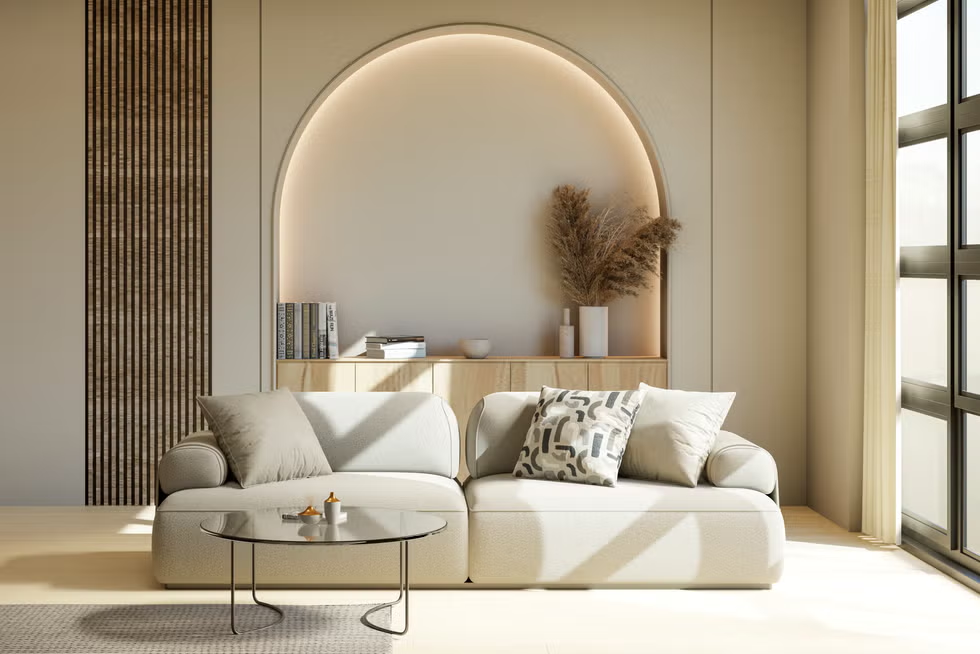
Rising manufacturing efficiency, direct-to-consumer brands, and increased competition have pushed affordable furniture makers to close the design gap with luxury brands. Shoppers no longer have to choose between style and price — many budget-friendly pieces now closely mirror higher-end silhouettes, materials, and finishes at a fraction of the cost.
1. Direct-to-Consumer Brands Disrupting Traditional Retail
Online-first furniture brands continue to reshape the budget furniture market by cutting out traditional retail markups. By selling directly to consumers and often using flat-pack shipping, these brands offer designer-adjacent pieces at significantly lower price points than traditional furniture stores.
Why it works: Lower overhead costs get passed on to shoppers, while many of these brands still invest heavily in on-trend design, making style accessible at every budget level.
2. Ready-to-Assemble Furniture With Better Design
Flat-pack, ready-to-assemble furniture has shed much of its old reputation for flimsy or generic design. Newer options feature improved hardware, better material quality, and silhouettes that closely track current trends like curved edges and natural wood tones — all while remaining affordable and easy to ship.
3. Secondhand and Vintage Shopping Goes Mainstream
Thrifting, estate sales, and online marketplaces have become a primary furniture source for budget-conscious shoppers, especially for statement pieces. A well-chosen vintage dresser or accent chair can add character to a room at a fraction of new-furniture prices, while also supporting more sustainable consumption habits.
4. Slipcovers and Upholstery Refreshes
Rather than replacing furniture entirely, many budget-conscious shoppers are refreshing existing pieces with new slipcovers, reupholstering, or simple fabric updates. This approach allows a dated sofa or chair to feel completely new for a fraction of the cost of a full replacement.
5. Multi-Purpose Furniture to Stretch a Budget Further
Budget shoppers are increasingly prioritizing furniture that serves multiple functions, reducing the total number of pieces needed to furnish a space:
- Storage ottomans that double as coffee tables and extra seating
- Daybeds that work as both a sofa and a guest bed
- Extendable tables that eliminate the need for separate everyday and entertaining tables
6. Budget-Friendly Materials That Mimic High-End Looks
Affordable furniture increasingly uses materials designed to visually mimic more expensive options:
- Engineered wood with realistic wood-grain veneers
- Faux marble laminate surfaces
- Performance fabrics that replicate the look of linen or boucle at a lower cost
- Powder-coated metal that mimics the look of brass or bronze
7. Modular Pieces That Grow With Your Budget
Modular furniture allows shoppers to start small and expand over time as their budget allows. A single modular sofa section, for example, can be purchased now with additional pieces added later, rather than requiring the full cost of a large sectional upfront.
8. Paint and DIY Furniture Updates
DIY furniture refreshes remain a popular budget strategy, with homeowners repainting dressers, updating hardware, or refinishing wood surfaces to match current trends. This approach is especially popular for transforming inherited or secondhand furniture into pieces that feel current and personal.
9. Rental and Subscription Furniture Services
Furniture rental and subscription services continue to grow, particularly among renters, students, and people in transitional housing situations. These services allow access to stylish, well-made furniture without the upfront cost or long-term commitment of purchasing.
10. Smart Shopping Around Sales Cycles
Budget-conscious shoppers are increasingly strategic about timing major furniture purchases around predictable sales periods, such as end-of-season clearances, major holiday sales events, and floor model discounts, allowing them to access higher-quality pieces at reduced prices.
How to Furnish a Home on a Budget Without Sacrificing Style
- Invest in a few key pieces — like a sofa or dining table — and save on secondary items like side tables or accent chairs.
- Mix new and secondhand furniture rather than buying everything from a single budget or high-end source.
- Prioritize multi-functional furniture to reduce the total number of pieces you need to buy.
- Refresh instead of replace when a piece is structurally sound but visually dated.
- Time major purchases around sales events to get better pricing on higher-quality pieces.
Final Thoughts
Budget furniture in 2026 proves that style and affordability are no longer mutually exclusive. From direct-to-consumer brands and improved ready-to-assemble designs to secondhand shopping and multi-functional pieces, today’s budget-friendly options make it easier than ever to furnish a beautiful, functional home without overspending.
Whether you’re furnishing your first apartment or refreshing a room on a tight budget, these trends offer practical, stylish ways to get more value out of every dollar spent on furniture.
