
Why Entryway Furniture Is Getting More Attention
As homes juggle more daily traffic — deliveries, pets, kids’ sports gear, work bags — the entryway has become a critical transition zone that needs to absorb clutter without looking chaotic. At the same time, the entryway sets the tone for a home’s overall design, making it a high-impact area for a relatively small furniture investment.
1. Slim Console Tables for Narrow Spaces
Console tables remain the anchor piece of most entryways, but designs have gotten noticeably slimmer to accommodate narrower hallways and smaller foyers. Depths of 12 inches or less are increasingly common, paired with curved or tapered legs that keep the piece from feeling bulky in a tight space.
Why it works: A slim console provides a surface for keys, mail, and decor without eating into valuable walking space — critical in townhomes and apartment entryways.
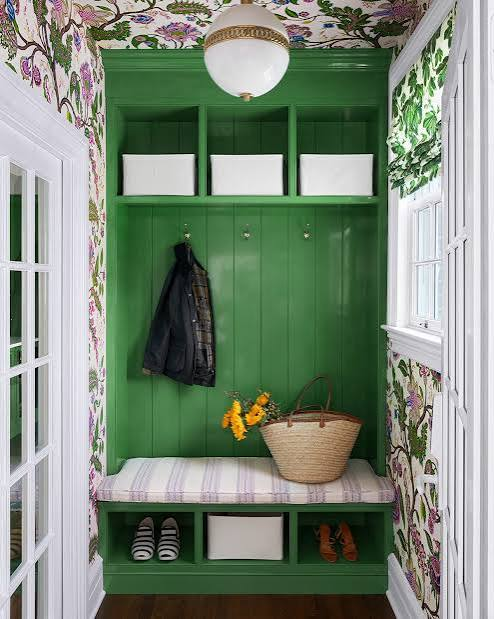
2. Built-In-Look Mudroom Storage Systems
Modular mudroom systems that mimic the look of built-in cabinetry are trending, offering the organized appearance of custom millwork without the permanent renovation cost. These systems typically combine:
- Individual cubbies or lockers for each family member
- Bench seating with storage underneath
- Upper shelving or hooks for bags and outerwear
3. Boot Trays and Weatherproof Storage Zones
As more homeowners prioritize keeping mud, snow, and rain from tracking through the house, dedicated boot trays and weatherproof storage furniture have become standard. Materials like sealed wood, powder-coated metal, and water-resistant composites are increasingly used specifically for entryway furniture that needs to withstand wet shoes and dripping umbrellas.
4. Multi-Purpose Benches With Storage
Entryway benches continue to be a top furniture choice, particularly those that combine seating with hidden storage. Popular formats include lift-top benches for seasonal gear, cubby benches for shoes, and benches with drawers for smaller items like gloves and sunglasses.
5. Statement Mirrors as Functional Furniture
Large entryway mirrors are increasingly designed with functional elements built in, such as attached hooks, small shelves, or integrated lighting. This allows the mirror to serve double duty as both a practical last-look-before-leaving feature and a design focal point.
6. Curved and Organic Shapes in Small-Footprint Pieces
The broader curved-furniture trend has made its way into entryway design, with rounded console tables, curved mirrors, and soft-edged stools replacing sharp-cornered pieces. In a space people pass through quickly, rounded furniture also reduces the risk of bumps and scrapes.
7. Catch-All Trays and Vertical Organization
Vertical storage solutions — wall-mounted key hooks, mail sorters, and slim shelving units — are trending as homeowners look to keep entryway surfaces clear. Catch-all trays sized specifically for keys, phones, and wallets help prevent small-item clutter from spreading across console tables.
8. Durable, Easy-Clean Materials
Because entryways see heavy foot traffic and exposure to dirt, furniture materials are shifting toward easy-clean options like sealed wood, performance fabrics, and wipeable finishes. This is especially true for bench seating and any upholstered elements near the door.
9. Pet-Friendly Entryway Furniture
As pet ownership continues to rise, entryway furniture increasingly includes built-in solutions for leashes, pet food storage, and even small built-in feeding stations. Some mudroom systems now offer dedicated pet zones alongside traditional coat and shoe storage.
10. Personalized, Non-Matching Furniture Sets
Rather than purchasing a single matched entryway set, many homeowners are mixing pieces — a vintage bench paired with a modern console, or a sculptural mirror with simple wall hooks. This curated, collected approach feels more personal and less like a showroom display.
How to Design a Functional, Stylish Entryway
- Measure your space precisely — even a few extra inches of console depth can make a hallway feel cramped.
- Prioritize storage that matches your household’s needs, such as extra shoe storage for larger families or a dedicated pet zone.
- Choose durable, easy-clean materials for any furniture near the door.
- Add one mirror to visually expand the space and provide a functional last-look feature.
- Mix at least one personal or vintage piece to avoid a purely catalog-matched look.
Final Thoughts
Entryway and mudroom furniture in 2026 reflects a growing recognition that this small but high-traffic space deserves real design attention. From slim console tables and modular storage systems to durable materials and pet-friendly solutions, today’s entryway furniture makes it easier to manage daily chaos while still creating a welcoming first impression.
Whether you’re working with a compact apartment entry or a full mudroom, these trends offer practical ways to build a space that works as hard as it looks good.
