
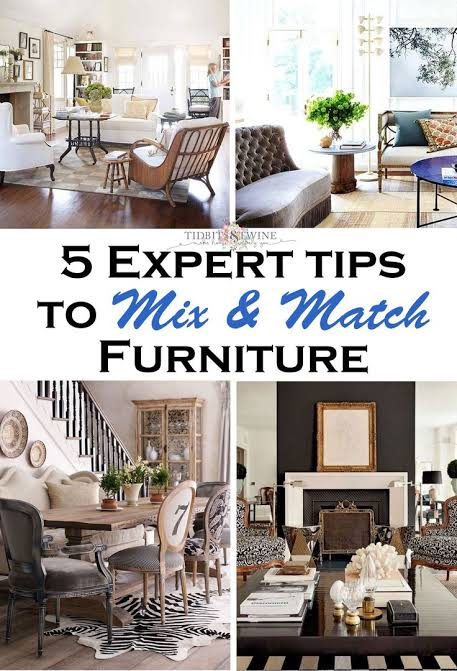
Perfectly matched furniture sets — a sofa, loveseat, and armchair all from the same collection — can look polished, but they often lack personality. Many of today’s most admired interiors don’t come from a single showroom floor; they’re curated over time, blending different styles, eras, and materials into something that feels collected rather than purchased all at once.
Mixing furniture styles is a skill, though, and done poorly it can result in a room that feels chaotic rather than intentional. This guide breaks down practical strategies for combining different furniture styles into a cohesive, well-designed home.
Why Mixing Styles Works
Interior designers have long favored eclectic, layered spaces over matchy-matchy showroom looks for a simple reason: real homes evolve over time. Furniture gets inherited, found at estate sales, purchased on a whim while traveling, or upgraded piece by piece as budgets allow. A home built entirely from one furniture collection can feel static and impersonal, while a thoughtfully mixed space tells a story and feels genuinely lived-in.
The goal isn’t to avoid coordination altogether — it’s to create intentional variety that still feels unified.
Start With a Unifying Thread
The easiest way to mix styles successfully is to choose one consistent element that ties everything together, even as individual pieces vary. This unifying thread could be:
- A color palette. Even wildly different furniture styles feel cohesive when they share a consistent color story — for example, warm wood tones paired with black metal accents throughout the room.
- A material. Repeating a material, like brass hardware, natural wood, or woven textures, across different pieces creates visual rhythm even when the furniture styles themselves differ.
- A mood or era. You don’t need every piece from the same decade, but leaning toward a general feeling — mid-century warmth, industrial edge, coastal ease — helps guide your choices.
Once you’ve identified your unifying thread, it becomes much easier to evaluate whether a new piece will fit into the space or clash with it.
Balance Contrasting Styles Intentionally
Successful style mixing usually comes down to pairing pieces that contrast in one dimension while aligning in another. A few classic combinations:
Modern + Vintage
Pairing a sleek, contemporary sofa with a weathered vintage coffee table (or vice versa) creates visual interest without feeling disjointed. The contrast between clean modern lines and vintage character tends to make both pieces stand out more, rather than compete.
Traditional + Industrial
Combining traditional furniture, like a classic wingback chair, with industrial elements, like a reclaimed wood and steel console table, blends warmth and formality with an edgier, more casual feel.
Minimalist + Bohemian
A minimalist base — simple, neutral furniture with clean lines — provides the perfect backdrop for bohemian accents like layered textiles, rattan chairs, or global-inspired décor, without the space feeling overly busy.
Rustic + Contemporary
Rustic wood furniture, with its natural imperfections and texture, pairs well with sleek, contemporary pieces in glass, metal, or high-gloss finishes, creating a balance between warmth and polish.
Use the 80/20 Rule
A helpful guideline for mixing styles without overwhelming a room is the 80/20 rule: let one dominant style make up roughly 80% of the room’s furniture and décor, while the remaining 20% introduces contrast through an accent chair, a statement light fixture, or an unexpected vintage find.
This approach keeps the room feeling grounded in a clear design direction while still allowing for personality and variety. Without a dominant style, a room can start to feel like a random assortment of furniture rather than a curated space.
Repeat Elements Across the Room
Even in an eclectic space, repetition creates cohesion. If you introduce a bold pattern on one throw pillow, consider echoing a similar color or shape elsewhere in the room — a piece of artwork, a rug, or a vase. Repeating finishes, like matte black hardware on a media console and a floor lamp, subtly ties pieces together even when their overall styles differ.
This doesn’t mean everything needs to match exactly. The goal is for the eye to find small, recognizable connections as it moves around the room.
Anchor the Room With One Statement Piece
In many well-designed eclectic spaces, one standout piece — an antique armoire, a bold sculptural chair, or an oversized piece of art — serves as the anchor that everything else is arranged around. This statement piece often breaks from the room’s general style intentionally, giving the space a focal point and a sense of curated confidence rather than random assembly.
Once you have your anchor piece, choose supporting furniture that complements it without competing for attention.
Mind the Scale and Proportion
When mixing styles, scale becomes especially important, since different furniture eras and styles often come in different proportions. A delicate, spindly-legged vintage chair can look out of place next to a large, boxy modern sofa unless the surrounding pieces help bridge that gap in scale.
A few tips for managing proportion:
- Balance one large, substantial piece (like a sofa) with a mix of both larger and more delicate accent pieces, rather than everything being uniformly heavy or uniformly delicate.
- Use area rugs to visually “anchor” furniture groupings of different scales, helping them feel like part of the same arrangement.
- Step back and view the room as a whole periodically while arranging furniture — what looks fine piece by piece can feel unbalanced once everything is placed together.
Common Mixing Mistakes to Avoid
- Mixing without any unifying element. Without a common thread — color, material, or mood — a room can start to feel more cluttered than curated.
- Too many statement pieces. If every piece in the room is trying to be the focal point, the overall effect can feel chaotic rather than intentional.
- Ignoring undertones. Wood furniture, in particular, can have warm or cool undertones that clash if not considered together — a warm honey-toned wood piece can look mismatched next to a cool gray-toned one in the same room.
- Forgetting the room’s function. Style mixing should never come at the expense of comfort and usability — a beautiful vintage chair that no one wants to sit in isn’t serving the room well.
How to Build a Mixed-Style Room Over Time
You don’t need to furnish an entire room at once to achieve a well-mixed look. In fact, rooms that evolve gradually — a vintage find here, a well-chosen new piece there — often feel more authentic than those furnished in a single trip. A practical approach:
- Start with foundational pieces, like a sofa or bed, in a relatively neutral style and material that can adapt as your taste evolves.
- Add one or two pieces with more character or contrast, like a vintage side table or a bold accent chair.
- Layer in textiles, art, and accessories that reinforce your unifying color palette or material choices.
- Continue adjusting over time, swapping pieces as you find better fits rather than trying to finalize the room all at once.
Final Thoughts
Mixing furniture styles is less about following strict rules and more about developing an eye for balance, contrast, and cohesion. By choosing a unifying thread, respecting proportion, and allowing one dominant style to anchor the space, you can confidently combine furniture from different eras and aesthetics into a home that feels personal, layered, and genuinely your own — rather than a room that simply matches.
Looking for pieces that add character to your space? Explore our curated furniture collection, spanning modern, vintage-inspired, and everything in between.
