
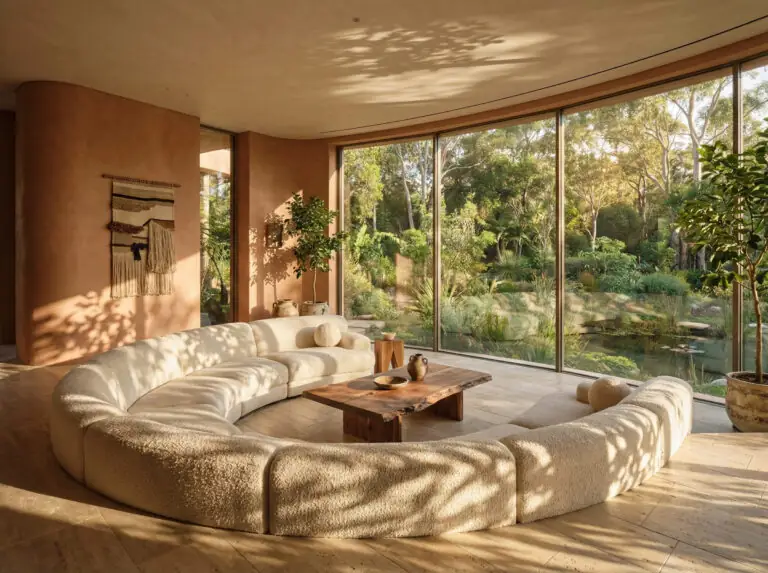
1. Sustainability as the New Definition of Luxury
Perhaps the biggest shift in 2026 is philosophical rather than material: sustainability has become the defining characteristic of true luxury interiors. Homeowners and designers are increasingly prioritizing quality, longevity, and responsible sourcing over fast trends and disposable furnishings. This has elevated bespoke, made-to-order furniture from a niche choice into a central element of contemporary design, since every custom piece is created with intention for a specific space, reducing waste while maximizing both functional and emotional value.
2. Ethically Sourced and Certified Wood
Ethically sourced wood remains the backbone of sustainable furniture in 2026, but the term now carries real substance rather than vague marketing language. When furniture carries an ethically sourced wood label, it generally means the timber comes from responsibly managed forests, with fair labor practices and reduced deforestation risk — often backed by certifications like FSC, or a clear disclosure of recycled or reclaimed origin. In practice, this is less about a buzzword and more about traceable origin, sturdy joinery, and finishes that won’t off-gas harmful chemicals for years after purchase.
3. Recycled and Next-Generation Materials
Beyond traditional reclaimed wood, 2026 is seeing genuine innovation in recycled and next-generation furniture materials. Sintered stone and advanced performance fabrics are extending the usable life of everyday tables and sofas, offering durability that rivals or exceeds conventional materials while relying on a smaller share of virgin resources. This shift reflects a broader move away from sustainability as a purely material substitution and toward materials engineered specifically to outlast their conventional counterparts.
4. Bio-Based and Alternative Materials
Some of the most striking sustainable furniture innovations in 2026 come from genuinely new material categories. Designers are increasingly specifying pineapple-leather alternatives and seaweed-based fabrics in place of conventional leather and synthetic textiles. These bio-based materials are part of a broader trend toward furniture that performs well and looks good first, with sustainability as an inherent feature rather than a compromise or sacrifice the buyer has to accept.
5. Cork as a Rising Furniture Material
Cork is gaining real traction as a sustainable furniture material in 2026, valued for its notably lower carbon footprint compared to plastic or metal. Sourced from the bark of cork oak trees, cork harvesting doesn’t require cutting down the tree itself, making it one of the more renewable material choices available to furniture makers. Its natural texture and warmth also align well with the tactile, organic aesthetic trending across furniture more broadly this year.
6. Timeless, Buy-Once Furniture Over Fast-Furniture Sets
A defining behavioral shift in 2026 is the move away from “fast-fashion” furniture bundles toward timeless, well-made pieces meant to last a decade or more. A solid wood dining table with transparent sourcing and a neutral, enduring shape can follow a household through multiple moves, changing decor trends, and different family stages without feeling dated. Over time, this kind of investment piece typically beats a cheaper, trend-driven bundle on both cost per use and overall environmental impact.
7. Repairable, Designed-to-Last Furniture
Furniture built with repair in mind — rather than disposal — is a growing trend among sustainability-focused designers in 2026. Pieces are increasingly specified with the expectation that they’ll be repaired and maintained decades into the future rather than replaced at the first sign of wear. This approach treats furniture more like a long-term investment than a consumable good, aligning with the broader shift toward fewer, better-made purchases.
8. Secondhand and Vintage as a Sustainable Default
Buying secondhand and vintage furniture has moved from a niche thrifting hobby to a mainstream sustainability strategy in 2026. Choosing pre-owned pieces avoids the environmental cost of new manufacturing entirely while often delivering better craftsmanship than comparably priced new furniture. This trend dovetails naturally with the broader vintage revival happening across nearly every room in the home this year, giving sustainability-minded shoppers an aesthetic reason, not just an ethical one, to buy secondhand.
9. Non-Toxic and Low-VOC Finishes
Indoor air quality has become a central sustainability concern for furniture buyers in 2026, driving demand for non-toxic materials and low-VOC finishes. This is particularly prominent in furniture for bedrooms, nurseries, and kids’ rooms, where parents are increasingly prioritizing furniture that won’t off-gas harmful compounds into a space where people spend extended time. Low-VOC finishes are increasingly treated as a baseline expectation rather than a premium add-on across furniture categories.
10. Transparent, Ethical Manufacturing
Beyond materials, how furniture is made and by whom has become a significant purchasing factor in 2026. Fair labor conditions, local material sourcing, and genuinely low-carbon manufacturing processes are increasingly valued by consumers alongside the finished product’s material composition. Furniture brands that can transparently document their supply chain and labor practices are gaining a real competitive advantage over brands that rely on vague or unverifiable sustainability claims.
How to Shop for Sustainable Furniture in 2026
With so many sustainability claims circulating, it helps to know what to actually look for. Certifications like FSC for wood sourcing are one of the clearest signals of genuine environmental responsibility, since they require independent verification rather than a brand’s own marketing language. Beyond certifications, look for transparent disclosure of where materials come from and how a piece was manufactured — vague terms like “eco-friendly” without supporting detail are worth treating with some skepticism.
Material choice matters, but so does longevity. A well-made solid wood piece with classic, neutral proportions will often outlast several cycles of trend-driven furniture, making it the more sustainable choice even before factoring in its actual material composition. And when a new purchase isn’t necessary, secondhand and vintage furniture remains one of the most straightforwardly sustainable options available, sidestepping the environmental cost of new manufacturing altogether.
Frequently Asked Questions About Sustainable Furniture Trends in 2026
What makes furniture “sustainable” in 2026? Sustainable furniture in 2026 generally combines responsibly sourced or recycled materials, low-VOC finishes, ethical manufacturing practices, and durable construction designed to last for years rather than seasons.
What certifications should I look for when buying sustainable furniture? FSC certification for wood sourcing is one of the most widely recognized indicators of genuine sustainability, since it requires independent verification of responsible forest management rather than relying on a brand’s own claims.
Are bio-based materials like pineapple leather actually durable? Bio-based alternatives such as pineapple-leather substitutes and seaweed-based fabrics have improved significantly, and in 2026 they’re increasingly specified by designers for their performance, not just their environmental credentials.
Is buying secondhand furniture considered sustainable in 2026? Yes. Secondhand and vintage furniture is widely considered one of the most sustainable choices available, since it avoids the environmental impact of new manufacturing while often delivering superior craftsmanship.
Is sustainable furniture more expensive than conventional furniture? It depends on the piece, but sustainable furniture is often positioned as a long-term investment. A well-made, ethically sourced item frequently costs less per year of use than a cheaper piece that needs replacing every few years.
Final Thoughts
Sustainable furniture in 2026 has moved decisively beyond recycling bins and reclaimed wood accents. It now spans genuinely innovative bio-based materials, transparent and ethical manufacturing, repair-focused design, and a broader cultural shift toward buying fewer, better, longer-lasting pieces. Whether you’re investing in a bespoke solid wood dining table or simply choosing a secondhand dresser over a new one, prioritizing traceable materials, honest certifications, and genuine durability will help you furnish a home that’s both stylish and meaningfully kinder to the planet.
Getting started doesn’t require overhauling your entire home at once. Begin with the pieces you’ll keep the longest and use the most — a dining table, a sofa frame, a bed — since these carry the greatest cumulative environmental impact over their lifetime. Smaller, trend-driven accents can be swapped more freely without much environmental cost either way, leaving room to experiment with style while reserving your sustainability budget for the furniture that truly anchors your home.
