
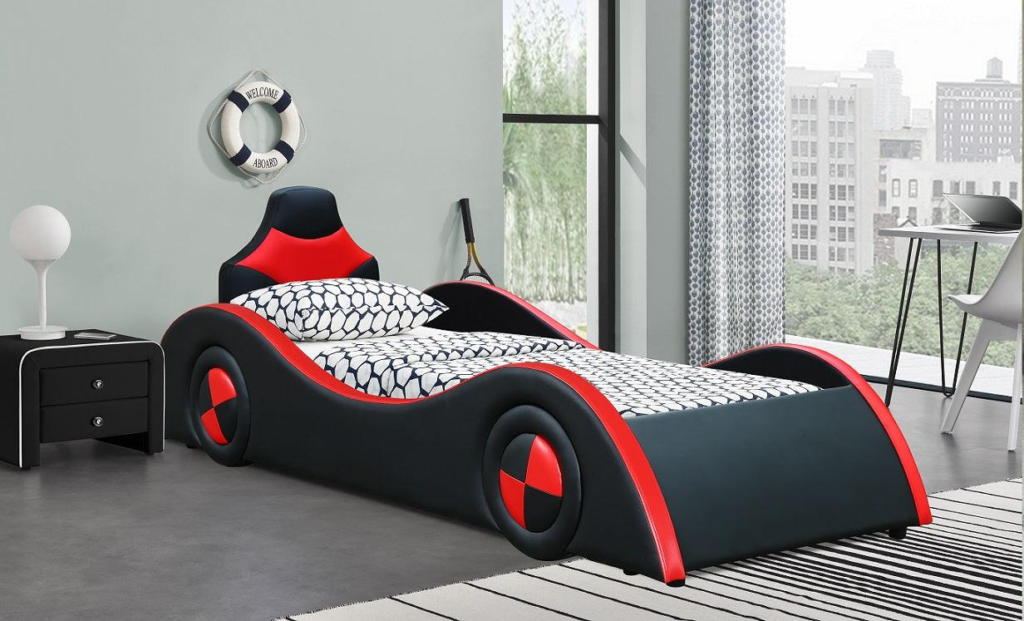
Furnishing a child’s room comes with a unique set of priorities compared to the rest of the home. Safety, durability, and the ability to adapt as a child grows all matter just as much as style. This guide covers everything parents need to know about choosing furniture for kids’ rooms — from cribs and beds to storage and study spaces — so the room can grow alongside the child rather than needing a complete overhaul every few years.
Why Kids’ Room Furniture Requires a Different Approach
Children’s furniture needs to withstand far more wear and tear than furniture used by adults — climbing, jumping, spills, and constant use are all part of daily life in a kid’s room. At the same time, safety is a top priority, since young children interact with furniture in ways adults don’t always anticipate. Balancing durability, safety, and a design that can evolve as a child grows makes furnishing a kids’ room a distinct challenge worth planning for carefully.
Choosing the Right Bed
Cribs
For infants, a crib that meets current safety standards is essential. Look for slats spaced no more than 2 3/8 inches apart, a firm mattress that fits snugly without gaps, and an adjustable mattress height that can be lowered as the baby grows and becomes more mobile.
Convertible Cribs
Many modern cribs convert into toddler beds and eventually full-size beds, extending their usable life significantly and offering better long-term value than a crib alone.
Toddler Beds
Low-to-the-ground toddler beds, often with guardrails, help ease the transition from crib to a larger bed while minimizing the risk of falls during the night.
Bunk Beds and Loft Beds
For shared rooms or smaller spaces, bunk beds maximize floor space while providing two full sleeping areas. Loft beds elevate a single bed, creating usable space underneath for a desk, seating, or storage — particularly useful in smaller bedrooms or shared spaces where floor area is limited.
Twin and Full-Size Beds
As children grow older, standard twin or full-size beds become appropriate, often paired with under-bed storage drawers to maximize functionality in the room.
Storage Solutions for Kids’ Rooms
Children accumulate toys, books, and clothing quickly, making organized, accessible storage essential.
- Toy chests and storage bins allow for quick, easy cleanup, especially when labeled or color-coded for younger children to sort items independently.
- Bookshelves at a child’s height encourage reading independence and make it easy for kids to select and return books on their own.
- Dressers with rounded edges and anti-tip hardware provide safe, practical clothing storage.
- Cubbies and open shelving work well for organizing bins of toys, art supplies, or seasonal items, keeping the room tidy without requiring complicated storage systems.
- Closet organizers with adjustable shelving and rods can be modified as a child grows, accommodating everything from folded toddler clothing to hanging garments for older kids.
Study and Play Furniture
As children grow, dedicated spaces for homework, reading, and creative play become increasingly important.
Desks
An adjustable-height desk can extend its usability for years, growing with the child from early elementary school through the teenage years. Look for sturdy construction and enough surface area for books, a computer, and art supplies.
Chairs
Ergonomic, adjustable chairs support proper posture during homework and study time. For younger children, a chair with the right proportions — feet flat on the floor, knees at a right angle — matters more than adult-style ergonomic features.
Reading Nooks
A small chair, bean bag, or cushioned bench paired with accessible bookshelves can create an inviting spot that encourages a love of reading from an early age.
Play Tables
Low, sturdy tables designed for arts and crafts, building blocks, or puzzles give younger children a dedicated space for play separate from their bed or study area.
Safety Considerations
Safety should be a top priority throughout the furniture selection process.
- Anchor tall furniture to the wall. Dressers, bookshelves, and wardrobes should be secured with anti-tip straps or brackets to prevent tipping, particularly important in homes with young, climbing children.
- Avoid sharp corners. Rounded edges on tables, dressers, and other furniture reduce injury risk during falls or bumps.
- Check for lead-free, non-toxic finishes. Furniture finishes and paints should meet current safety standards, particularly for furniture used by infants and young children who may chew on surfaces.
- Choose weight-appropriate furniture. Bunk beds and loft beds have age and weight guidelines that should be followed carefully to ensure structural safety.
- Secure cords and blinds away from cribs and beds to prevent strangulation hazards.
Choosing Furniture That Grows With Your Child
Because children grow quickly and their needs change, furniture that can adapt over time offers better long-term value.
- Convertible cribs that transform into toddler and later full-size beds extend usability well beyond infancy.
- Adjustable-height desks and chairs can be modified as a child grows taller, avoiding the need for frequent replacement.
- Neutral furniture with customizable decor allows the room’s overall look to be updated through bedding, wall art, and accessories rather than requiring entirely new furniture as tastes change.
- Modular storage systems can be reconfigured as storage needs shift from toys to books, school supplies, and eventually clothing and personal items.
Materials and Durability
Given the wear kids’ furniture experiences, durable, easy-to-clean materials are especially important.
- Solid wood furniture withstands rough use well and can often be sanded and refinished if scratched or damaged over time.
- Non-toxic, water-based finishes are safer for children’s rooms and easier to clean without harsh chemicals.
- Stain-resistant, washable fabrics are ideal for upholstered furniture like reading chairs or bean bags, particularly for younger children prone to spills.
- Sturdy hardware on drawers and doors should be checked regularly, as kids’ furniture often experiences more frequent, forceful use than furniture elsewhere in the home.
Designing for Shared Kids’ Rooms
When siblings share a room, furniture choices need to balance individual needs with efficient use of space.
- Bunk beds or trundle beds maximize floor space while providing separate sleeping areas.
- Matching or coordinated furniture can help create a sense of fairness between siblings, while allowing for some personalization through bedding or decor.
- Separate storage areas for each child help reduce conflict over shared space and belongings.
- Room dividers or curtains can offer a sense of privacy within a shared space, particularly as children get older and desire more independence.
Common Kids’ Room Furniture Mistakes to Avoid
- Buying furniture that’s too advanced for a child’s current age, resulting in safety risks or impractical use.
- Skipping anti-tip anchoring on tall furniture, a critical and often overlooked safety step.
- Choosing delicate materials that won’t hold up to a child’s daily activity and play.
- Overlooking future needs, purchasing furniture that will quickly be outgrown rather than considering pieces that can adapt over time.
Final Thoughts
Furnishing a kids’ room well means balancing safety, durability, and flexibility with a design that reflects a child’s personality and interests. From choosing the right bed and storage solutions to prioritizing safety features and materials built to last, thoughtful furniture choices can create a room that supports a child’s growth — both practically and emotionally — for years to come, without requiring a complete redo every time they hit a new stage of childhood.
