
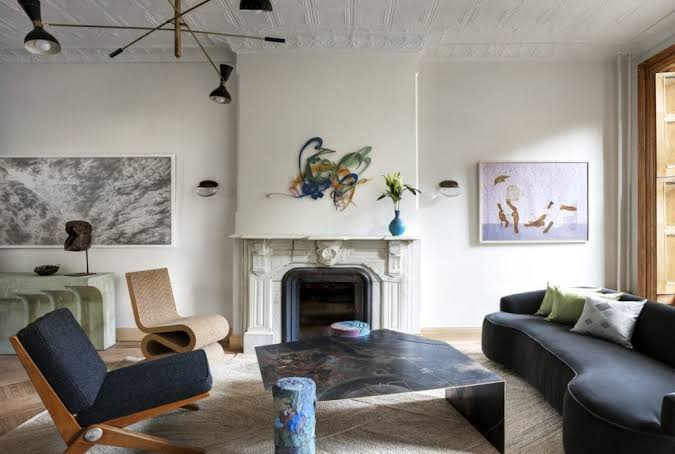
Furniture trends evolve each year, reflecting shifts in how people live, work, and think about their homes. From sustainability to multi-functionality, the trends shaping interiors in 2026 reveal a lot about changing priorities — comfort, flexibility, and a desire for spaces that feel personal rather than generic. This guide explores the key furniture trends defining homes this year and how you can incorporate them into your own space.
Why Furniture Trends Matter
Trends aren’t just about aesthetics — they often reflect real shifts in lifestyle. The growing popularity of home offices, for instance, mirrors the rise of remote and hybrid work. Increased interest in sustainable materials reflects broader environmental awareness. Understanding these trends can help homeowners make furniture choices that feel current without being fleeting, since the best trends tend to align with genuine, lasting changes in how people use their homes.
Trend 1: Curved and Organic Shapes
Sharp, angular furniture is giving way to softer, more rounded silhouettes. Curved sofas, rounded coffee tables, and organic-shaped accent chairs are appearing throughout living rooms and bedrooms, offering a softer, more inviting feel compared to the rigid lines popular in previous years. This trend extends to dining tables and even bed frames, where gentle curves replace sharp corners for a calmer visual effect.
Trend 2: Sustainable and Natural Materials
Sustainability continues to influence furniture choices heavily. Buyers are increasingly seeking out:
- FSC-certified wood, ensuring furniture is sourced from responsibly managed forests
- Reclaimed and recycled materials, from reclaimed barn wood to recycled metal and plastic
- Natural, biodegradable fabrics like organic cotton, linen, and wool
- Locally made furniture, reducing the environmental impact of shipping and supporting local craftsmanship
This trend also includes a renewed interest in secondhand and vintage furniture, both for its unique character and its lower environmental footprint compared to newly manufactured pieces.
Trend 3: Multi-Functional Furniture
As living spaces continue to shrink in many urban areas, furniture that serves multiple purposes has become increasingly popular. Sofa beds, storage ottomans, extendable dining tables, and modular shelving units allow homeowners to maximize functionality without sacrificing style. This trend is particularly strong among renters and those in smaller homes, where flexible furniture makes a meaningful difference in daily livability.
Trend 4: Warm, Earthy Color Palettes
After years of cool grays and stark whites dominating interior design, warmer tones are taking center stage. Terracotta, warm browns, olive green, and creamy off-whites are appearing across upholstery, wood finishes, and accent pieces. These earthy palettes create a cozier, more grounded feel in living spaces, often paired with natural materials like wood, stone, and woven textiles to reinforce the organic aesthetic.
Trend 5: Statement Lighting as Furniture
Lighting is increasingly being treated as a furniture-level design decision rather than an afterthought. Oversized pendant lights, sculptural floor lamps, and dramatic chandeliers are being chosen specifically to serve as focal points within a room, much like a standout sofa or accent chair. This trend reflects a broader movement toward treating every element of a room, including lighting, as an intentional design choice rather than a purely functional necessity.
Trend 6: Home Office Integration
With hybrid and remote work remaining common, furniture designed specifically for home offices continues to grow in popularity. This includes:
- Compact, stylish desks that fit into shared living spaces rather than requiring a dedicated room
- Ergonomic seating designed for both comfort and aesthetic appeal
- Storage solutions that blend office organization with the surrounding room’s decor
- Room dividers and screens that create a defined workspace within an open floor plan
Rather than looking purely utilitarian, home office furniture is increasingly designed to complement the rest of the home’s aesthetic.
Trend 7: Textured Fabrics and Layered Materials
Bouclé, chunky knit textiles, and richly textured upholstery have become especially popular on chairs and sofas, adding tactile interest to a room beyond just color and shape. This trend often pairs with mixed materials — a wood-framed chair with a woven seat, or a metal table base paired with a stone top — creating visual depth through contrast and texture rather than relying solely on color.
Trend 8: Vintage and Antique Mixing
Rather than furnishing a home entirely with new, matching pieces, many homeowners are blending vintage or antique furniture with modern pieces. A mid-century credenza might sit alongside a contemporary sofa, or an antique mirror might hang above a sleek, modern console table. This approach creates a layered, collected look that feels more personal and less like a furniture showroom.
Trend 9: Bold, Sculptural Accent Pieces
While overall color palettes trend warmer and more neutral, accent furniture is increasingly bold and sculptural. Statement coffee tables, artistic side tables, and uniquely shaped accent chairs serve as conversation pieces within otherwise calm, neutral rooms. This trend allows homeowners to experiment with more daring design choices on a smaller scale, without committing to a bold look across an entire room.
Trend 10: Smart and Tech-Integrated Furniture
Furniture with built-in technology continues to expand beyond novelty into practical, everyday use. Charging stations built into nightstands and side tables, adjustable standing desks, and even furniture with integrated lighting or speakers are becoming more mainstream. This trend reflects a broader desire to reduce visible clutter from cords and devices while keeping technology conveniently accessible.
How to Incorporate Trends Without Overcommitting
Not every trend needs to be adopted wholesale, and chasing every new style can lead to a home that feels disjointed or requires frequent, costly updates. A few strategies can help incorporate current trends thoughtfully:
- Invest in timeless pieces for big-ticket items. Sofas, beds, and dining tables are expensive and long-term investments, so classic silhouettes and neutral colors tend to age better than highly trend-driven designs.
- Experiment with trends through accent pieces. Accent chairs, throw pillows, lighting, and small decor items are more affordable to update as trends shift, allowing you to refresh a room’s look without a major investment.
- Choose trends that reflect genuine lifestyle needs. Multi-functional furniture and home office pieces, for example, tend to have staying power because they respond to real, ongoing lifestyle shifts rather than purely aesthetic preferences.
- Blend trends with existing furniture. Rather than replacing everything, look for ways to incorporate trending elements — a textured throw, a curved side table — into your current setup.
Trends That Are Fading
Alongside emerging trends, some previously popular styles are becoming less common:
- All-gray color schemes, once ubiquitous, are giving way to warmer, more varied palettes.
- Overly matched furniture sets, where every piece comes from the same collection, are being replaced by more curated, mixed approaches.
- Purely minimalist spaces with little texture or personality are shifting toward warmer, more layered interiors that still maintain a clean, uncluttered feel.
Final Thoughts
Furniture trends offer a useful lens into how people’s needs and values are shifting — toward sustainability, flexibility, and spaces that feel personal rather than generic. While it’s not necessary to adopt every trend, understanding what’s shaping current design can help guide smarter, more satisfying furniture choices, whether you’re furnishing an entire home or simply refreshing a single room. The best approach blends current trends with pieces that reflect your own lifestyle and taste, creating a home that feels current without losing its personal character.
