
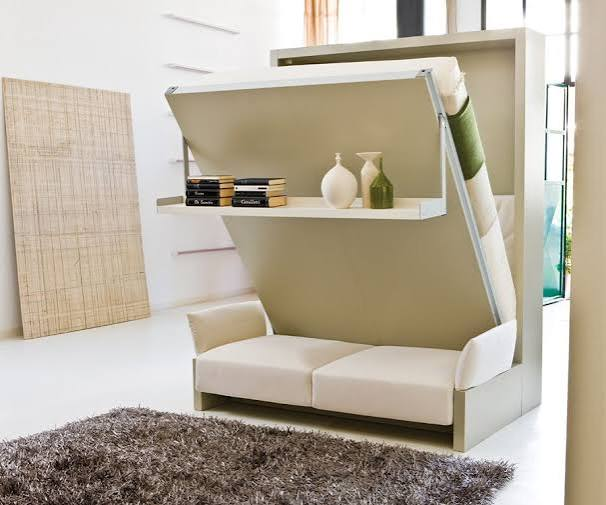
Small-space living has become the norm rather than the exception. Studio apartments, compact city homes, and shrinking square footage in new construction have made one thing clear: furniture that only does one job is a luxury most people can’t afford, space-wise. The solution isn’t cramming fewer pieces into a room — it’s choosing furniture designed to work harder.
Multifunctional furniture isn’t a new idea, but it’s evolved well beyond the futon-that-becomes-a-bed cliché. Today’s smartest space-saving pieces are well-designed, genuinely comfortable, and don’t announce themselves as “small space solutions” the moment you walk in. Here’s how to furnish a compact home without it feeling compact.
Rethink the Room-by-Function Model
Traditional furniture shopping assumes each room has one job: the living room is for sitting, the bedroom is for sleeping, the office is for working. In a small space, that model breaks down fast — a single room might need to function as a living room, guest room, and office at different points in the day.
Multifunctional furniture solves this by letting individual pieces shift roles rather than dedicating separate furniture (and separate square footage) to each function. The goal is furniture that transforms with your needs, not a room permanently divided into zones that only work part of the time.
Seating That Does More Than Seat
Storage ottomans are one of the simplest multifunctional upgrades available. They function as a coffee table, extra seating, and hidden storage for blankets, remotes, or off-season items — all in the footprint of a single piece.
Sleeper sofas have improved dramatically from the lumpy, spine-unfriendly versions of decades past. Modern options with real mattress-quality inserts can serve as a genuinely comfortable daily sofa and a proper guest bed, without the compromise older models required.
Daybeds work especially well in home offices or studio apartments, functioning as both a sofa during the day and a bed at night — while looking intentional rather than like a bed pretending to be furniture.
Nesting stools or benches tuck away under a console or coffee table when not in use, providing extra seating for guests without permanently occupying floor space.
Tables That Expand, Fold, or Transform
Drop-leaf and extendable dining tables let a compact two-person table expand to seat six for a dinner party, then fold back down to reclaim floor space the rest of the week.
Nesting tables function as a single side table day-to-day, but separate into two or three surfaces when hosting or when extra flat space is needed.
Wall-mounted folding tables can serve as a desk, dining surface, or craft table, then fold flat against the wall when not in use — particularly useful in studio apartments where floor space is at a premium.
Lift-top coffee tables raise to counter height for use as a laptop desk or dining surface, then lower back down for a standard coffee table height.
Storage That Hides in Plain Sight
Bed frames with built-in drawers use the otherwise wasted space underneath a mattress for clothing, linens, or seasonal storage — particularly valuable in bedrooms without room for a separate dresser.
Storage benches at the foot of a bed or in an entryway provide seating and closed storage in one footprint, ideal for shoes, bags, or linens.
Wall-mounted or floating desks with integrated shelving eliminate the need for a separate bookshelf or filing cabinet, keeping a home office contained to a single wall rather than sprawling across a room.
Murphy beds, once associated with cramped, dated apartments, have been redesigned by many manufacturers into genuinely attractive pieces that fold up into wall units doubling as shelving or a desk — turning a bedroom into a functional office or living space during the day.
Room Dividers That Add Function, Not Just Separation
In open-concept small spaces, dividing a room without walling it off entirely is a common challenge. Furniture-based dividers solve two problems simultaneously:
- Bookshelves used as room dividers create visual and physical separation between, for example, a sleeping area and a living area, while also providing storage and display space on both sides.
- Folding screens offer flexible, movable division that can be reconfigured or removed entirely depending on the day’s needs.
- Console tables behind sofas placed away from a wall can define a walkway or transition zone while providing a functional surface for lamps, drop-and-go items, or extra display space.
Choosing Quality Multifunctional Pieces (Not Gimmicks)
Not all multifunctional furniture is created equal. Some transforming pieces prioritize the “trick” over daily usability, resulting in furniture that’s clever in a showroom but frustrating to actually live with.
When evaluating a multifunctional piece, consider:
- How often will you actually use the secondary function? A sleeper sofa is worth it if you regularly host guests; if not, a well-designed regular sofa might serve you better.
- Does the transformation require real effort? A coffee table that needs two people to lift and reconfigure will get used far less than one with a smooth, one-person mechanism.
- Is the primary function compromised? A dining table that wobbles when extended, or a sofa bed with an uncomfortable mattress, isn’t actually solving your space problem — it’s just moving it.
- Is it built to handle repeated use? Folding and transforming mechanisms see more wear than static furniture, so hardware quality matters more here than almost anywhere else.
Small Space Doesn’t Mean Small Style
A common misconception is that multifunctional, space-saving furniture has to look purely utilitarian — plain, boxy, and obviously designed around a constraint rather than a vision. That’s no longer true. Many designers and independent makers now build transforming furniture with the same attention to material, proportion, and finish as any statement piece, meaning you don’t have to choose between a functional small-space solution and a room that actually looks considered.
The best multifunctional furniture disappears into the room the same way any well-chosen piece should: it looks intentional first, and only reveals its second function when you actually need it.
Final Thought: Design Around How You Actually Live
The most successful small-space furniture choices start with an honest look at daily routines rather than an aspirational one. If you rarely host overnight guests, a sleeper sofa may be solving a problem you don’t have. If you work from home daily, a fold-away desk that takes real effort to set up each morning will become a source of friction rather than a solution.
Multifunctional furniture works best when it’s chosen around real patterns of use — not just the promise of doing more with less space, but pieces that genuinely make daily life in a smaller home feel effortless rather than compromised.
