
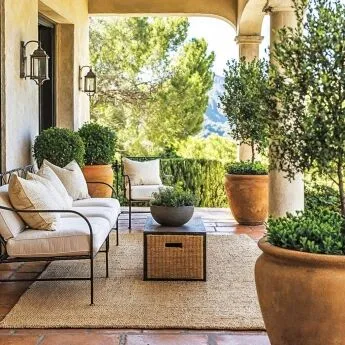
The backyard patio used to be an afterthought — a place for a plastic table and a couple of folding chairs during barbecue season. In 2026, that mindset is officially gone. Outdoor spaces are being designed with the same intention, comfort, and architectural thinking that homeowners once reserved strictly for interiors. Patios have become genuine living rooms, and the furniture filling them reflects that shift completely.
Here’s everything shaping outdoor furniture in 2026, from materials and colors to layout philosophy, plus practical tips for updating your own space.
The Patio Is the New Second Living Room
The biggest shift in outdoor design this year isn’t a specific color or material — it’s a change in how people think about their outdoor space altogether. Rather than treating patios as temporary, seasonal setups, homeowners are now designing them with the same permanence and intention as an interior room, prioritizing comfort, durability, and long-term design appeal over short-lived trends.
This shows up most clearly in proportions. Outdoor furniture in 2026 is increasingly built to match indoor scale, with seat depth and table height mirroring what you’d find inside the home, while upholstery is weather-tuned but shaped to look like it belongs in a living room rather than a patio set.
1. All-Weather Lounges Replace Basic Patio Sets
Traditional outdoor furniture was built around one goal: surviving the rain. That’s no longer enough. The 2026 version of the “all-weather lounge” pairs weather resistance with genuine comfort, bringing elements once confined to indoor spaces — rugs, artwork, and oversized modular sofas — outside, made possible through advanced weather-resistant materials. The result is outdoor furniture that functions as a true second living room rather than a fair-weather compromise.
2. Modular, Flexible Layouts
Matching patio sets are losing ground to modular pieces that can be rearranged depending on the moment. Instead of a fixed sofa-and-chairs configuration, homeowners are opting for modular sofas, standalone chairs, and ottomans that can be reconfigured throughout the day — a relaxed reading nook in the morning, a dining setup for lunch, and a fire pit gathering spot by evening. This flexible approach lets one outdoor space serve several different purposes without needing separate furniture for each.
3. Warm Frame Finishes Replace Cool Grays
For nearly a decade, cool gray tones dominated outdoor furniture collections, mirroring the minimalist trends happening indoors. That’s shifting in 2026. Homeowners are moving toward warmer aluminum and woven finishes in tones like flax, barley, and hazel, which blend more naturally with landscaping and wood accents while performing better visually in direct sunlight, where cooler tones can look harsh. The overall effect is outdoor furniture that feels more residential and lived-in rather than showroom-styled.
4. Color Is Making a Comeback
After years of playing it safe with neutrals, color is returning to outdoor furniture in a real way. Designers describe colorful garden furniture as bringing a sense of optimism to outdoor spaces, especially when balanced against natural textures like rattan. Powder-coated frames in unexpected, uplifting colors are increasingly replacing the standard black iron look that dominated patios for years. That said, green remains a dependable anchor — botanical shades like sage and moss are especially popular because they visually bridge furniture and garden foliage, keeping the whole space feeling cohesive.
5. Natural, Tactile Textures
Texture is doing a lot of the work in 2026’s outdoor spaces. Woven rope is emerging as a standout material, prized for its lightweight, contemporary look while adding visual texture to chairs, loungers, and coffee tables. Rattan remains a strong alternative for anyone after the same tactile, natural feel. Beyond rope and rattan, natural materials like teak, concrete, stone, and performance fabrics are increasingly combined in a single space to create an outdoor setting that feels collected over time rather than bought as a matching set.
6. Scalloped and Sculptural Details
The soft, curved silhouettes showing up in indoor furniture have made their way outside too. Scalloped edges, gentle wiggles, and undulating forms are bringing a playful, decorative touch to patio and poolside furniture, softening the look of outdoor spaces that used to lean heavily on straight lines and boxy frames. This pairs naturally with the broader move toward organic silhouettes in garden furniture, which designers say creates a more harmonious, natural-feeling atmosphere overall.
7. Statement Pieces Over Matching Sets
Just like indoors, matching outdoor furniture sets are falling out of favor. The new approach favors sourcing one standout piece — an occasional or accent chair, for example — and building the rest of the seating area around it, rather than buying an entire matching collection. A sofa paired with one or two statement accent chairs is quickly replacing the traditional matched dining or sofa set as the go-to outdoor seating arrangement.
8. Sustainable Materials With Smart Solutions
Sustainability continues to be a foundational trend in outdoor furniture, but it’s being implemented more thoughtfully than in past years. Rather than chasing short-lived eco trends, the focus for 2026 is on durable, timeless materials paired with smart technology and personalized design — furniture meant to be used for years and adapted flexibly rather than replaced each season. New performance materials are also making upholstered furniture viable for permanent outdoor use without sacrificing comfort, a meaningful shift from the wipe-clean, weatherproof-but-uncomfortable outdoor cushions of the past.
9. Low-Profile Seating
Furniture that sits lower to the ground is gaining popularity as a way to open up sightlines in a backyard. Keeping seating low allows landscaping, pools, and views to become the visual focal point, with furniture complementing the space rather than competing with it — a subtle shift, but one that changes how an entire patio feels.
How to Shop the 2026 Outdoor Furniture Trends
You don’t need a full backyard renovation to bring these trends home. A few practical starting points:
- Anchor the space with one statement piece. A single sculptural or scalloped accent chair can shift the whole feel of a patio without replacing everything else.
- Go modular if your space multitasks. If your patio needs to handle dining, lounging, and entertaining, modular seating gives you the flexibility to reconfigure it on the fly.
- Layer natural textures. Combine rattan, woven rope, or teak with a stone or concrete side table for a collected, rather than matched, look.
- Choose warm over cool tones. Swap a gray aluminum frame for a warmer flax or hazel finish if you’re ready for an update — it reads as more current and pairs better with greenery.
- Invest in performance fabric. Weather-resistant upholstery has come a long way; it’s worth prioritizing over purely wipe-clean materials if comfort matters to you.
Frequently Asked Questions
What colors are trending for outdoor furniture in 2026? Botanical greens like sage and moss remain a dependable base, while warmer frame finishes and bolder powder-coated colors are replacing the cool gray and black tones that dominated recent years.
Is modular outdoor furniture worth it? Yes, especially for smaller or multi-use patios. Modular pieces let you reconfigure a space for dining, lounging, or entertaining without buying separate furniture for each purpose.
What materials are best for all-weather outdoor furniture? Teak, woven rope, rattan, concrete, stone, and performance fabrics are among the most popular materials in 2026, chosen for combining durability with a natural, tactile look.
Final Thoughts
Outdoor furniture in 2026 has fully shed its “seasonal add-on” reputation. Between all-weather lounges, modular layouts, warmer finishes, and a return of color and texture, patios are being treated as genuine extensions of the home rather than an afterthought. Whether you’re starting from scratch or simply swapping out a few dated pieces, leaning into a couple of these trends — a statement chair here, a warmer frame finish there — is an easy way to turn an outdoor space into somewhere you actually want to spend time.
