
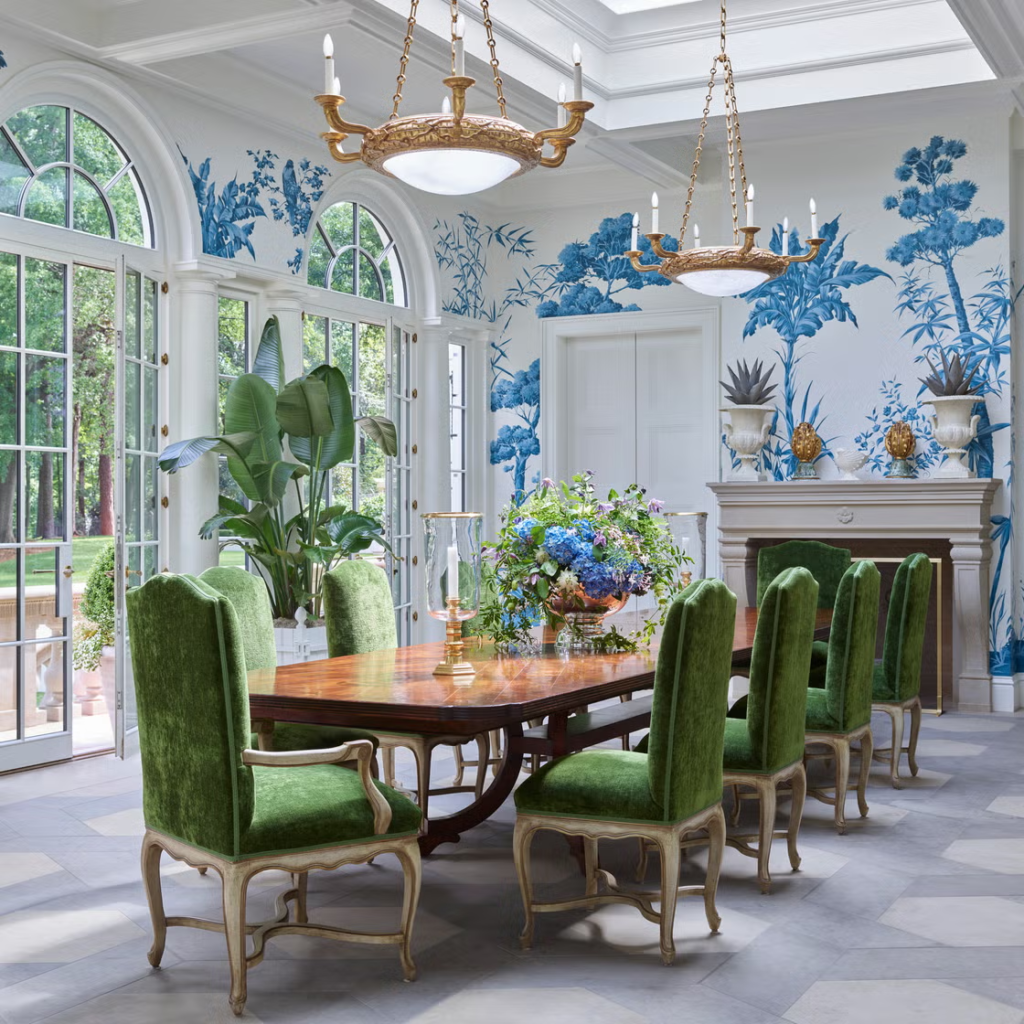
Why Dining Room Furniture Is Getting a Fresh Look
As more people cook and eat at home, the dining table has reclaimed its place as a central gathering spot — not just for meals, but for work, homework, and hosting. This renewed emphasis has pushed furniture design toward pieces that are durable enough for daily use yet elegant enough for special occasions, without requiring two separate sets of furniture.
1. Curved and Sculptural Dining Tables
Rectangular tables with sharp corners are giving way to oval, round, and freeform sculptural dining tables. These shapes encourage conversation by keeping diners closer together and tend to work better in smaller or irregularly shaped rooms where a large rectangular table would feel cramped.
Why it works: Curved tables soften the overall room and pair naturally with the broader organic-shape trend seen across other furniture categories.
2. Mixed-Material Table Bases
Dining tables increasingly pair different materials in a single design — a stone or travertine base with a wood top, or a bronze-finished metal base with a marble slab. This mixed-material approach adds visual interest and a sense of craftsmanship without requiring an entirely new furniture style.
3. Statement Dining Chairs
Rather than matching every chair to the table exactly, many homeowners are mixing chair styles or choosing bold, sculptural seating as a focal point. Curved wood frames, boucle upholstery, and rich leather are especially popular for adding personality to an otherwise simple table.
4. Extendable and Expandable Tables
As dining rooms increasingly serve dual purposes — everyday meals and larger gatherings — extendable tables have become a practical favorite. Modern designs offer smoother extension mechanisms and additional leaves that store discreetly, allowing a table to expand from a four-person setup to a ten-person table without sacrificing everyday functionality.
5. Natural Wood and Live-Edge Details
Live-edge tables, which preserve the natural, irregular edge of a wood slab, continue to be popular for their organic, one-of-a-kind character. Even in more polished dining rooms, natural wood grain and visible knots are being embraced rather than hidden, reflecting a broader appreciation for authentic materials.
6. Built-In and Banquette Seating
Banquette seating — upholstered bench seating typically built along a wall — is trending in both small and large dining spaces. It maximizes seating capacity in a compact footprint and creates a cozy, restaurant-like atmosphere that pairs well with a smaller table and a few statement chairs.
7. Bar and Counter-Height Dining Furniture
As kitchen islands and open-concept layouts remain popular, counter-height and bar-height dining furniture continues to grow, offering a more casual dining option that bridges the kitchen and dining areas. These setups work particularly well for quick meals or informal entertaining.
8. Statement Lighting Over the Table
While not furniture in the traditional sense, dining room lighting is increasingly treated as an extension of the furniture design. Sculptural pendant lights and dramatic chandeliers are chosen to complement the table’s material and style, often becoming the room’s primary design statement.
9. Sideboards and Buffets With Modern Detailing
Storage furniture in the dining room is shifting away from traditional, heavy buffet designs toward sleeker sideboards with curved fronts, mixed materials, and lighter visual weight. These pieces provide essential storage for dinnerware while contributing to a more contemporary overall look.
10. Sustainable and Durable Materials
Because dining furniture sees heavy daily use, durability and sustainability are closely linked priorities. Popular choices include:
- Solid wood tables built to withstand decades of use
- Stain-resistant, easy-clean upholstery on dining chairs
- FSC-certified wood sourcing
- Water-based, low-VOC finishes for better indoor air quality
How to Choose Dining Furniture That Works for Your Space
- Measure your room carefully, allowing at least 36 inches of clearance around the table for comfortable movement.
- Consider an extendable table if you regularly host larger gatherings but have a smaller everyday household.
- Mix chair styles thoughtfully rather than defaulting to a fully matched set, for a more collected, personal look.
- Prioritize durable upholstery on dining chairs, since they see frequent use and occasional spills.
- Choose lighting proportional to your table — a fixture that’s too small can make even a beautiful table feel underwhelming.
Final Thoughts
Dining room furniture in 2026 reflects a renewed appreciation for shared meals and intentional gathering spaces. From curved sculptural tables and mixed-material bases to banquette seating and statement lighting, today’s dining furniture options make it easier to create a space that feels both practical for everyday life and special enough for the moments that matter.
Whether you’re furnishing a formal dining room or a flexible eat-in kitchen space, these trends offer plenty of inspiration for building a table your family and friends will actually want to gather around.
