
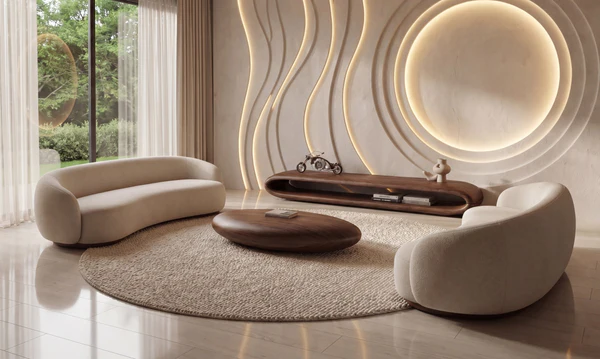
Why Luxury Furniture Design Is Shifting
The luxury market has moved away from logo-driven, obviously expensive design toward what’s often called “quiet luxury” — an aesthetic built on quality materials, exceptional craftsmanship, and timeless design rather than overt status symbols. High-end buyers are increasingly educated about materials, provenance, and construction methods, driving demand for furniture that’s genuinely exceptional rather than simply expensive-looking.
1. Quiet Luxury and Understated Elegance
The biggest shift in high-end furniture is the move away from bold branding and ornate detailing toward clean lines, exceptional materials, and subtle craftsmanship. Pieces are designed to impress through quality and proportion rather than obvious opulence — a leather sofa that feels incredible rather than one covered in decorative stitching or hardware.
Why it works: This approach signals genuine taste and knowledge of quality rather than simply the ability to spend money, appealing to a more discerning luxury buyer.
2. Rare and Exotic Natural Materials
High-end furniture increasingly showcases rare materials as a form of understated status, including:
- Book-matched marble and travertine surfaces
- Exotic wood veneers like ebony and burl walnut
- Full-grain, vegetable-tanned leather
- Hand-applied lacquer finishes
These materials are chosen for their natural variation and craftsmanship, with each piece often slightly unique due to the nature of the material itself.
3. Artisanal and Handcrafted Details
There’s growing appreciation for furniture made using traditional artisanal techniques — hand-carved joinery, hand-woven caning, and hand-applied finishes. Buyers are increasingly interested in the story behind a piece: who made it, where, and using what techniques, treating furniture more like collectible art than mass-produced product.
4. Sculptural, Gallery-Worthy Pieces
Luxury furniture is increasingly designed to function as art. Sculptural coffee tables, statement lighting, and boldly shaped accent chairs are chosen specifically for their visual impact, often displayed as focal points rather than blended into a broader furniture set.
5. Bespoke and Made-to-Order Furniture
Customization has become a defining feature of the luxury furniture market. High-end buyers increasingly expect the ability to select specific woods, fabrics, dimensions, and finishes rather than purchasing off-the-shelf pieces, treating furniture acquisition more like a tailored commission than a retail purchase.
6. Heritage and Legacy Brands Regain Prominence
There’s renewed interest in furniture houses with long histories and established craftsmanship traditions, as buyers seek pieces with provenance and staying power rather than trend-driven purchases. This ties into a broader luxury market shift toward investment pieces meant to last generations rather than be replaced every few years.
7. Sustainable Luxury
Even in the high-end market, sustainability has become a genuine priority rather than a marketing afterthought. Luxury buyers increasingly value:
- Furniture made from responsibly sourced or reclaimed rare woods
- Transparent supply chains and ethical labor practices
- Repairable construction designed to last decades, not years
- Limited-edition runs that reduce overproduction
8. Mixed-Material Craftsmanship
High-end furniture increasingly combines multiple premium materials in a single piece — a stone base with a bronze frame, or a leather seat with a hand-carved wood structure. This mixed-material approach showcases craftsmanship across multiple disciplines within one object.
9. Statement Lighting as Investment Pieces
Sculptural lighting fixtures have become a major category within luxury furniture, often commanding prices comparable to major furniture pieces. Hand-blown glass chandeliers, sculptural floor lamps, and artist-collaboration lighting pieces are increasingly treated as serious design investments.
10. Timeless Silhouettes Over Trend-Chasing
While trends still influence the broader furniture market, true luxury buyers increasingly favor timeless silhouettes designed to remain relevant for decades. Classic proportions, high-quality materials, and restrained design details are prioritized over of-the-moment shapes or colors that may feel dated within a few years.
How to Invest in Luxury Furniture Wisely
- Prioritize construction quality over brand name — examine joinery, frame materials, and craftsmanship details before purchasing.
- Choose materials that age well, like full-grain leather or solid wood, which develop character over time rather than deteriorating.
- Consider bespoke options if you want a piece tailored precisely to your space and preferences.
- Research provenance and maker history for pieces marketed as heritage or artisanal.
- Think in decades, not years — true luxury furniture should be an investment meant to last well beyond current trends.
Final Thoughts
Luxury furniture in 2026 reflects a broader cultural shift toward genuine quality, craftsmanship, and understated design over obvious displays of wealth. From rare natural materials and artisanal detailing to bespoke commissions and sustainable practices, today’s high-end furniture market rewards buyers who value substance and longevity over trend-driven status symbols.
Whether you’re furnishing a single statement room or building a collection of investment pieces over time, these trends offer a clear direction for buying furniture that will remain beautiful, relevant, and functional for decades to come.
