
Why Kids’ Furniture Design Is Changing
Furniture for children used to be treated as temporary — something to replace every few years as kids outgrew it. Rising costs and growing sustainability awareness have pushed parents toward furniture that’s built to last and adapt, rather than furniture that needs to be replaced at every developmental stage. At the same time, parents are paying closer attention to materials and safety, wanting pieces that are as non-toxic and durable as they are stylish.
1. Convertible Cribs That Grow Into Toddler and Twin Beds
One of the biggest trends in nursery furniture is the multi-stage convertible crib. These pieces transform from a standard crib into a toddler bed, and eventually into a full daybed or twin-size bed frame, extending their usefulness well beyond infancy.
Why it works: Parents get years of use from a single investment, and children experience a sense of continuity rather than a jarring furniture change during a big life transition.
2. Montessori-Inspired Furniture
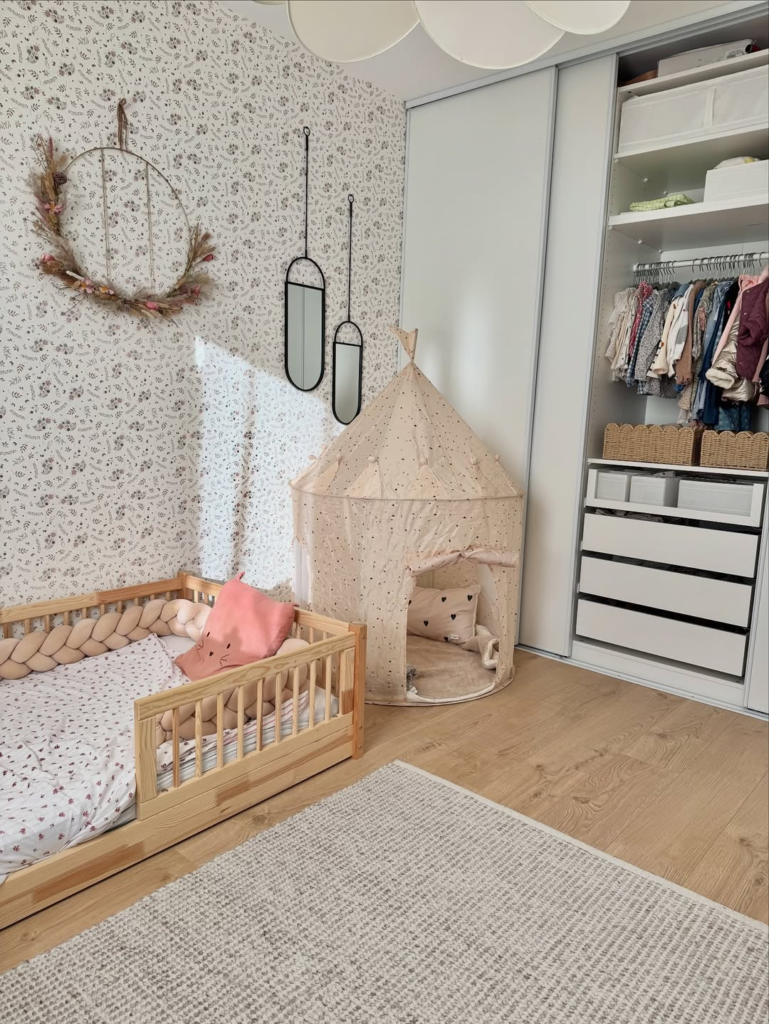
Montessori-style furniture continues to grow in popularity, emphasizing low, accessible furniture that encourages independence. This includes floor beds, low shelving units children can reach on their own, and small tables and chairs sized appropriately for toddlers rather than scaled-down adult furniture.
3. Natural, Non-Toxic Materials
Health-conscious parents are prioritizing furniture made from solid wood, water-based finishes, and GREENGUARD Gold-certified materials that limit chemical off-gassing. Rattan, cane, and untreated wood are especially popular for their natural look and lower chemical footprint compared to painted or laminate finishes.
4. Neutral and Muted Color Palettes
Bright primary colors and cartoon-heavy designs are giving way to soft, muted tones — sage green, warm terracotta, soft sand, and dusty blue. These gender-neutral palettes are chosen for their calming effect and their ability to age well as a child grows, avoiding the need for a full redesign every couple of years.
5. Modular Storage Systems
As toy collections and clothing needs change quickly during childhood, modular storage furniture has become essential. Popular options include:
- Stackable cube storage units that can be rearranged as needs change
- Closet systems with adjustable shelving heights
- Toy chests that double as bench seating
6. Multi-Functional Study and Play Furniture
With more emphasis on early learning and screen-free play, furniture that supports both activities is trending:
- Adjustable-height desks that grow with the child
- Art tables with built-in paper rolls or storage for supplies
- Play tables that convert into homework stations as kids get older
7. Bunk Beds and Loft Beds for Shared or Small Rooms
As families navigate shared bedrooms and smaller homes, space-efficient bed designs remain popular. Modern bunk and loft beds now come with improved safety rails, built-in desks or storage underneath, and modular designs that can be separated into two individual beds later on.
8. Soft, Rounded Furniture Edges
Safety-focused design continues to influence kids’ furniture, with rounded corners and soft edges becoming standard rather than an added feature. This trend pairs naturally with the broader curved-furniture movement seen across adult furniture categories, creating a cohesive look between nursery and main living spaces.
9. Gender-Neutral Nursery Design
Moving away from strictly pink or blue nurseries, many parents are choosing gender-neutral furniture in natural wood tones or soft neutral colors. This approach also makes it easier to reuse furniture for future children without needing a full redesign.
10. Sustainable and Secondhand-Friendly Furniture
Because children outgrow furniture quickly, sustainability and resale value have become bigger considerations. Parents increasingly favor:
- Solid wood pieces that hold up well to resale or hand-me-down use
- Furniture with replaceable parts (like crib mattresses or drawer fronts)
- Brands with buy-back or trade-in programs for outgrown furniture
How to Choose Kids’ Furniture That Lasts
- Prioritize convertibility — cribs, desks, and beds that adapt to different ages offer far better long-term value.
- Check for safety certifications, including JPMA certification for cribs and GREENGUARD for material safety.
- Choose a neutral base palette and add personality through easily changeable items like bedding, art, or rugs.
- Invest in solid construction for pieces that will be reused by siblings or resold later.
- Involve your child in age-appropriate choices, like selecting a color for their study chair, to build a sense of ownership over their space.
Final Thoughts
Kids’ furniture in 2026 reflects a broader shift toward longevity, safety, and thoughtful design — furniture that grows alongside a child rather than needing constant replacement. From convertible cribs and Montessori-inspired pieces to modular storage and non-toxic materials, today’s options make it easier for parents to build a room that’s both practical and genuinely nurturing.
Whether you’re designing a nursery from scratch or updating a room for a growing child, these trends offer smart, sustainable ways to create a space that supports your child at every stage.
