
Introduction: Furnishing on a Budget Is a Skill, Not a Compromise
Walk into a beautifully furnished home and you’ll rarely be able to guess which pieces cost $800 and which cost $80. That’s because a well-furnished space isn’t about how much was spent — it’s about how well each piece was chosen. This guide takes a room-by-room approach to affordable furniture shopping, showing exactly where to save, where to invest a little more, and how to make every dollar visible in the final result.
1. The Living Room: Where Comfort Meets First Impressions
The living room usually gets the most foot traffic and the most scrutiny from guests, so it’s worth a strategic approach.
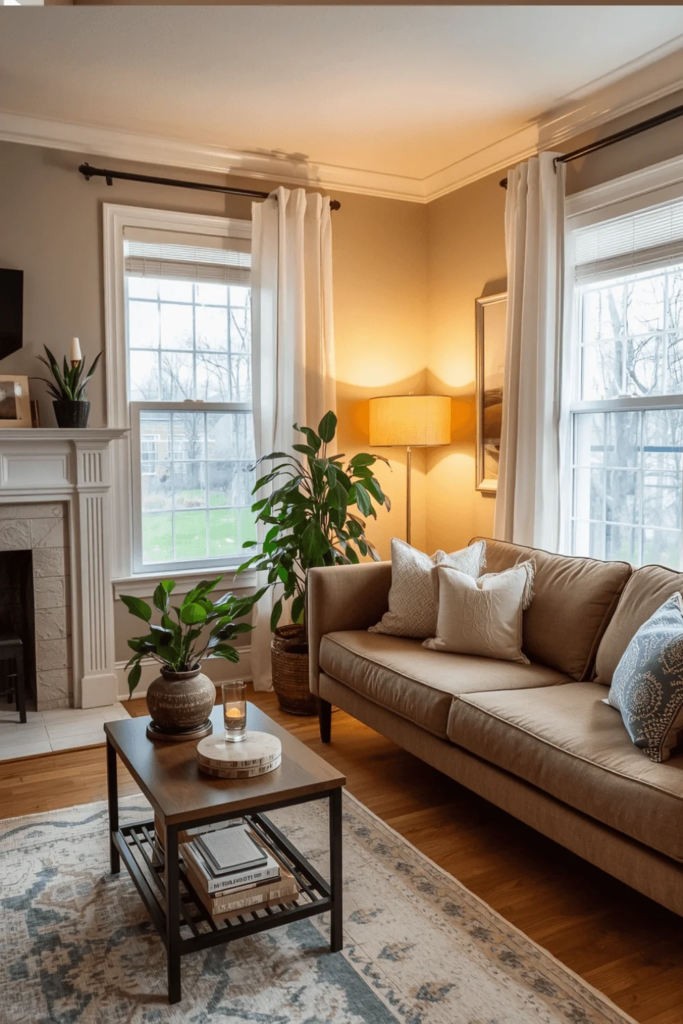
The sofa is the anchor piece. It’s used daily, seen constantly, and hard to replace on a whim, so it deserves the largest share of your living room budget. Look for a sturdy hardwood or plywood frame, high-density foam cushions, and a removable, washable cover — this last feature alone extends a sofa’s usable life by years, since stains and wear can simply be laundered away rather than ruining the piece.
Coffee and side tables can be budget-friendly. These see far less physical stress than seating, so a $40 table performs nearly as well as a $300 one in terms of daily function. Focus on stability (no wobble) and a finish that matches your other wood tones.
Rugs do more work than people expect. A well-chosen rug ties mismatched, budget-sourced furniture together visually, making the whole room read as intentional rather than thrifted. Spend slightly more here if your budget allows — a rug is one of the few items that touches every other piece in the room.
Lighting over lamps. Floor and table lamps from budget retailers are often nearly identical in construction to premium versions; the main cost difference is often the brand name on the base.
2. The Bedroom: Prioritize What Touches Your Body
Nowhere does the “spend where it matters” rule apply more than the bedroom.
Mattresses are non-negotiable. A mattress affects sleep quality, back health, and daily energy levels — this is the one item in the home where cutting corners has the most direct effect on wellbeing. Fortunately, the mattress-in-a-box industry has made high-quality options far more affordable than traditional retail mattresses, often with extended trial periods that let you test comfort risk-free.
Bed frames can be simple. Once a mattress is on it and it’s dressed with linens, most people can’t tell whether a frame cost $100 or $700. A basic metal or platform frame does the job structurally; save the splurge for the mattress and bedding.
Bedding and linens punch above their price. High-thread-count sheets, a well-chosen duvet cover, and a few extra pillows transform even the most basic frame-and-mattress setup into something that feels hotel-quality. This is one of the highest-satisfaction-per-dollar purchases in the entire home.
Dressers need functional hardware. When shopping secondhand or budget-new, test every drawer before buying — smooth gliding drawers are a sign of decent construction regardless of price.
3. The Home Office: Function First, Aesthetics Second
With more people working from home, the home office has become a budget priority — but also an area where cheap choices cause real physical discomfort.
The chair matters more than the desk. An ergonomic chair supports posture during long work hours, while a desk mostly just needs to be flat, stable, and the right height. If budget is tight, spend more on the chair and less on the desk surface itself.
Adjustable and multi-use desks stretch your money further. A simple desk that can convert from sitting to standing height, or that includes built-in cable management, often costs only slightly more than a basic fixed desk but adds years of comfort and usability.
Storage doesn’t need to be elaborate. Simple floating shelves or a single budget filing cabinet handle most home-office storage needs without the cost of built-in cabinetry.
Cable organizers and desk accessories are cheap wins. These small, inexpensive additions dramatically improve how “put together” a home office looks and feels, for very little money.
4. The Kitchen and Dining Area: Durability Is King
Dining furniture takes daily abuse from spills, dragging chairs, and constant use, so durability should guide every purchase here.
Dining chairs need a stress test. Before buying, check for wobble, tight joints, and a stable base — chairs are the first dining pieces to fail, especially with kids or frequent guests.
Extendable tables offer flexibility without extra cost. Many budget-friendly extendable tables cost the same as fixed-size versions but adapt to both everyday meals and occasional larger gatherings, offering more value over time.
Bar stools and counter seating can be simple. Unless they’re used constantly, basic stools perform just as well as premium versions for most households.
5. Cross-Room Tips That Apply Everywhere
A few strategies consistently improve satisfaction with budget furniture no matter which room you’re furnishing:
- Buy in a consistent finish family (all warm wood tones, or all matte black metal) so pieces from different sources and price points still look cohesive together.
- Check assembly instructions before buying, especially for flat-pack furniture — some designs require far more time, tools, or patience than others.
- Read the return policy first. Budget furniture brands with strong return windows signal confidence in their product and protect you if a piece doesn’t meet expectations.
- Don’t furnish everything at once. Living in a space for a few weeks before buying secondary furniture prevents costly guesses about size, storage needs, or traffic flow.
- Treat secondhand shopping as a first option, not a last resort. Many of the sturdiest, best-built pieces available at low prices are older furniture being resold, not new budget stock.
6. Common Mistakes That Undermine Budget Furniture Satisfaction
Even smart shoppers run into the same handful of pitfalls:
- Choosing style over structure. A trendy piece that isn’t well built rarely lasts as long as its trend cycle.
- Skipping measurements. Furniture that doesn’t fit the space feels like wasted money regardless of price.
- Underestimating delivery and assembly costs. These fees can quietly erase the savings of a “cheap” purchase.
- Ignoring maintenance instructions. Simple care — like using coasters, avoiding direct sunlight, or tightening screws periodically — significantly extends the life of budget furniture.
- Buying everything from one source. Relying on a single retailer for an entire home often means overpaying in categories where cheaper alternatives exist elsewhere.
Conclusion: A Well-Furnished Home Is a Series of Smart Decisions
Furnishing a home affordably isn’t about one big discovery — it’s about making smart, room-specific decisions consistently. Spend more where comfort and daily use demand it: mattresses, sofas, and office chairs. Spend less where function matters more than material: side tables, decorative shelving, and rarely used furniture. With the right strategy, a home furnished entirely on a budget can feel every bit as satisfying — and look every bit as intentional — as one furnished at three times the cost.
