
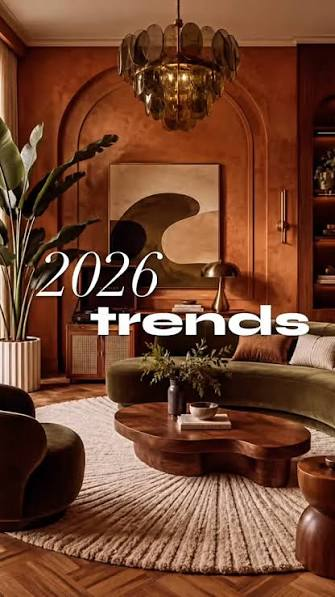
1. Curved and Rounded Seating
Curves continue to dominate living room furniture in 2026, showing up in rounded sofas, curved sectionals, and organically shaped accent chairs. Homes with open floor plans especially benefit from this trend, since curved pieces add visual softness that balances the hard, angular surfaces common in open-concept layouts. Designers note that curved furniture creates a calming, fluid presence in a room, making it one of the most in-demand silhouettes of the year.
2. Deep, Comfortable Seating
Comfort has moved from trend to requirement in living rooms this year. Homeowners are gravitating toward generously proportioned sofas and chairs that genuinely invite relaxation — deep-seated sectionals, oversized armchairs, and cloud-like sofas designed to sink into. This reflects a broader shift in how people relate to their living rooms: increasingly viewed as a retreat from busy lives, the space now prioritizes furniture that stays comfortable over years of daily use, with quality cushioning and supportive frames taking priority over sleek, firm silhouettes.
3. Chocolate Brown and Earthy Neutrals
If there’s one color defining living rooms in 2026, it’s chocolate brown. The rich, warm hue is showing up everywhere from bouclé sofas to leather lounge chairs, part of a larger move toward earthy, grounding color palettes. These warm neutrals pair naturally with the wood tones and organic materials trending across the rest of the home, replacing the cooler greys that dominated living room design in recent years.
4. Tactile Layering: Bouclé, Chenille, and Linen
Texture is one of the defining characteristics of 2026 living rooms. Expect an abundance of tactile layering that combines bouclé, chenille, washed linen, and soft leathers within a single space. Mixing materials and finishes — a smooth leather sofa with nubby linen throw pillows, or a rustic wood coffee table on a plush shag rug — adds visual interest and creates a more dynamic, lived-in feel. This approach works especially well in neutral color schemes, where texture provides variation without introducing competing colors.
5. Vintage and Antique Statement Pieces
Vintage furniture continues to gain ground in living rooms in 2026, driven partly by economic factors. With tariffs keeping the price of new furniture high, more designers and homeowners are turning to vintage and antique pieces for both practical and aesthetic reasons. The key to integrating vintage furniture successfully is balance: let one or two statement antiques shine surrounded by complementary contemporary pieces, or distribute vintage accents throughout the room for a collected-over-time feel rather than a themed one.
6. Pattern-on-Pattern Layering
Bold pattern layering is having a major resurgence in 2026 living rooms, showing up through drapery, wallpaper, upholstery, and throw pillows in coordinating bold patterns — florals are a particularly strong choice this year. This approach creates a collected look that feels like it evolved organically over time rather than being purchased all at once. The key to pulling it off is thoughtful pairing: choose patterns that share a color family or scale so the layering feels intentional rather than chaotic.
7. Multifunctional and Smart Storage Furniture
As living rooms increasingly double as home offices, playrooms, and entertaining spaces, multifunctional furniture remains essential in 2026. Pieces like storage ottomans, extendable console tables, and secretary desks that tuck away after work hours help maximize space without cluttering the room with single-purpose furniture. For those working from home, furniture that transitions seamlessly between professional and personal use — a structured armchair that works for video calls and evening reading, for instance — is especially valuable.
8. Expressive, Individualistic Design
Perhaps the broadest trend shaping 2026 living rooms is a move toward highly personal, expressive interiors. Designers describe this year’s best spaces as composed and layered but equally edited — expressive and individualistic without feeling performative. This shows up through statement lighting, sculptural furniture, tufted and fringed accents, and bold art choices that make a living room feel deeply personal rather than assembled from a single catalog.
What’s Falling Out of Style in Living Rooms This Year
Knowing what to avoid is just as useful as knowing what’s trending. Designers point to several living room furniture choices that are losing favor in 2026:
- Oversized sectionals — once the default for open-concept living rooms, now considered flat and showroom-like. Designers suggest multiple smaller pieces arranged into conversation zones instead, such as two sofas facing each other or a quartet of accent chairs.
- All-white furniture — chic in photos but impractical in real life, all-white pieces are giving way to warmer tones that hide wear and feel more livable.
- Overly minimal, generic furniture — designers say sparse, characterless pieces are being replaced by furniture with warmth, detail, and a sense of nostalgia.
- Overdone cane, rattan, and scalloped details — once fresh, these details have become so widespread that designers now warn against overusing them in a single space.
How to Bring 2026 Living Room Trends Into Your Space
You don’t need to replace every piece of furniture to feel current this year. Start with the highest-impact changes: swap a stiff, angular coffee table for a curved or organically shaped one, or introduce a chocolate brown accent chair to anchor a neutral palette. Layering in a few textured throw pillows — bouclé, chenille, or linen — is one of the most affordable ways to bring tactile warmth into an existing sofa or sectional without a full furniture investment.
If you’re ready for a bigger purchase, prioritize your seating first, since it’s both the most-used and most visually dominant furniture in the room. Look for deep, generously cushioned sofas or sectionals with supportive frames that will hold up over years of daily use. From there, layer in one or two vintage or antique statement pieces — a side table, a mirror, a console — to introduce the collected, personal quality that defines this year’s most well-designed living rooms.
Budget also plays a role in how you approach these updates. If new furniture feels out of reach given current pricing pressures, secondhand marketplaces, estate sales, and consignment shops are excellent sources for the vintage pieces this trend calls for — often at a fraction of retail cost, with the added benefit of built-in character that new furniture can take years to develop.
Frequently Asked Questions About 2026 Living Room Furniture Trends
What is the biggest living room furniture trend for 2026? Curved, rounded seating is widely considered the defining living room trend of 2026, with curved sofas and organically shaped accent chairs replacing sharp, angular silhouettes.
What color is trending for living room furniture in 2026? Chocolate brown and other warm, earthy neutrals are the dominant colors in 2026 living rooms, replacing the cooler greys popular in previous years.
Are sectionals out of style in 2026? Oversized sectionals are falling out of favor in 2026. Designers recommend multiple smaller seating pieces arranged into conversation zones instead of one large sectional.
Is vintage furniture trending for living rooms in 2026? Yes. Vintage and antique furniture is increasingly popular in 2026 living rooms, driven by both rising new-furniture costs and a broader desire for character and individuality.
What textures are popular in 2026 living room furniture? Bouclé, chenille, washed linen, and soft leather are the most popular upholstery textures in 2026, often layered together within a single room for a tactile, dynamic feel.
Final Thoughts
The living room in 2026 is less about following a single aesthetic and more about building a space that feels genuinely comfortable, textured, and personal. Curved silhouettes, chocolate brown palettes, and vintage statement pieces all point toward the same underlying idea: a well-designed living room this year should feel collected over time, not purchased all at once. Whether you update one accent piece or overhaul the entire room, prioritizing comfort, texture, and individuality will keep your living room feeling current well beyond this year’s trend cycle.
Ultimately, the shift shaping 2026 living rooms mirrors a broader cultural mood: a move away from performative, magazine-perfect spaces and toward homes that genuinely reflect the people living in them. A curved sofa here, a chocolate brown accent chair there, a single well-loved vintage find passed down or sourced secondhand — these choices add up to a living room that feels lived-in in the best possible sense, rather than staged for a photograph. That’s ultimately what makes a space feel timeless, regardless of which trends come and go in the years ahead.
