
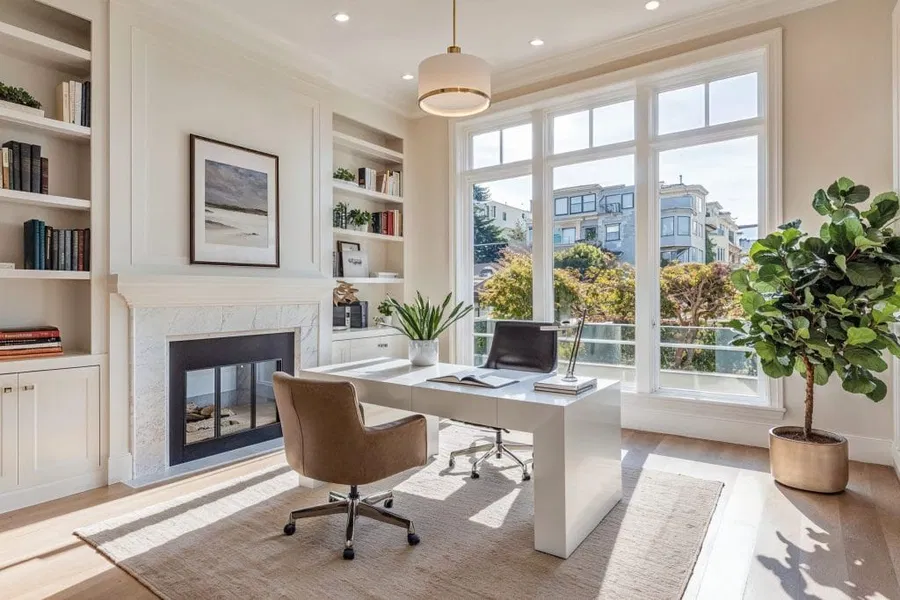
Why Home Office Furniture Has Become a Priority
Long hours at a desk have made ergonomics non-negotiable, while the visibility of home offices during video calls has pushed aesthetics to the forefront. Buyers today want furniture that supports their health, fits their space constraints, and looks professional on camera — all without sacrificing comfort. This shift has driven rapid innovation across desks, chairs, and storage solutions.
1. Height-Adjustable Standing Desks Go Mainstream
Standing desks are no longer a niche wellness purchase — they’ve become a standard expectation for serious home offices. Newer models offer:
- Whisper-quiet dual-motor lifting mechanisms
- App-controlled height presets and sit-stand reminders
- Cable management built directly into the frame
- Slimmer profiles that fit smaller rooms
Why it works: Alternating between sitting and standing reduces back strain and fatigue during long work sessions, and modern designs no longer look bulky or clinical.
2. Ergonomic Chairs With Residential Styling
Office chairs used to look distinctly “corporate,” but that’s changing fast. New ergonomic chairs combine proper lumbar support and adjustability with upholstery and silhouettes that blend into a living space — think boucle, leather, and curved wood frames instead of mesh and black plastic.
3. Compact and Fold-Away Desks
For apartment dwellers and multi-purpose rooms, space-saving desks are in high demand. Popular formats include:
- Wall-mounted fold-down desks
- Slim console desks that double as entryway tables
- Nesting desk-and-storage combos that tuck away when not in use
These solutions let a home office “disappear” when work is done, which is especially valuable in studio apartments or shared living spaces.
4. Cable Management as a Design Feature
Rather than treating cords as an afterthought, furniture brands are now integrating cable management directly into desks and storage units. Built-in grommets, under-desk trays, and concealed power strips keep workspaces looking clean and photo-ready — a big shift from the tangled cord setups of a few years ago.
5. Warm, Natural Materials Replace Cold Corporate Finishes
Home offices are moving away from glossy black and metallic finishes toward warmer, more natural materials like solid oak, walnut veneer, and matte-finish steel. This shift reflects a broader interior design trend toward materials that feel calming and residential rather than sterile and corporate.
6. Multi-Functional Storage Solutions
As home offices often double as guest rooms, craft spaces, or reading nooks, furniture that serves multiple purposes is increasingly popular:
- Bookshelves with built-in fold-out desks
- Credenzas that hide printers and files behind closed doors
- Storage ottomans that double as extra seating for video calls
This flexibility allows a single room to serve several functions without feeling cluttered or purely utilitarian.
7. Acoustic Furniture for Better Focus
Noise control has become a real design consideration for home offices, especially in open-plan homes. New products include acoustic panel desks, upholstered privacy screens, and felt-lined storage units that absorb sound and reduce distractions during calls.
8. Color Psychology in Office Design
Muted, calming color palettes — sage green, warm taupe, soft blue — are trending in home office furniture because they’re associated with focus and reduced stress. Some buyers are also introducing single bold accent pieces, like a colorful task chair or a patterned rug, to keep the space from feeling flat.
9. Monitor Arms and Modular Desk Accessories
Rather than bulky all-in-one desk units, many home offices are shifting toward modular setups: a simple desk paired with adjustable monitor arms, add-on shelving, and desk organizers. This approach allows the workspace to evolve as needs change, without requiring a full furniture replacement.
10. Sustainable and Certified Office Furniture
Sustainability concerns have reached the home office category as well. Shoppers are increasingly looking for:
- FSC-certified wood desks and shelving
- Low-VOC finishes for better indoor air quality
- Recycled aluminum or steel chair frames
- Take-back or recycling programs offered by furniture brands
How to Set Up a Home Office That Works for You
- Invest in your chair first — it has the biggest impact on comfort and long-term health.
- Choose a desk that matches your space, not just your ambitions — a huge executive desk in a small room creates more problems than it solves.
- Plan cable management early rather than trying to fix it after the setup is finished.
- Add at least one soft or natural element — a plant, wood shelving, or a textile rug — to avoid a sterile feel.
- Think about video call backdrop — furniture placement affects how your space looks on camera, which matters for remote meetings.
Final Thoughts
Home office furniture in 2026 reflects a broader shift toward wellness, flexibility, and design that feels like part of the home rather than an intrusion into it. From standing desks and residential-style ergonomic chairs to acoustic solutions and sustainable materials, today’s options make it possible to build a workspace that supports both productivity and personal style.
Whether you’re working with a dedicated office room or a small corner of a shared space, these trends offer practical ways to create a setup that feels comfortable, professional, and genuinely yours.
