
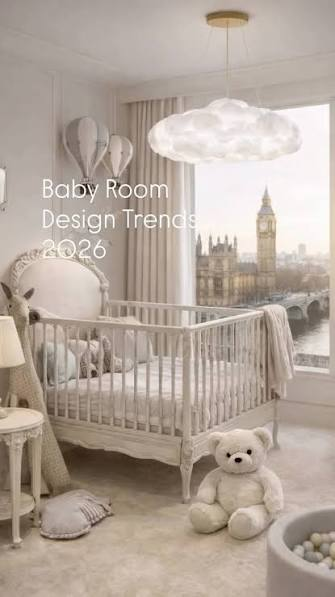
Designing a nursery used to mean chasing a perfect, Pinterest-ready look for a room your child would outgrow within a year or two. In 2026, that approach has shifted in a genuinely practical direction. Parents are focusing less on getting every detail picture-perfect and more on building rooms that actually work day after day — spaces that support real routines, adapt as a child grows, and don’t need to be completely redone every time a new stage begins.
Here’s what’s shaping nursery and kids’ furniture in 2026, and how to shop it with both longevity and safety in mind.
Longevity Is the Defining Theme
The single biggest shift in nursery design this year is how parents think about time. Instead of planning furniture purely around the baby stage, more families are choosing pieces they won’t need to replace as their child grows. Convertible furniture fits naturally into this mindset — a crib that later becomes a toddler bed, for example, lets a nursery evolve without a full room overhaul every time a child hits a new milestone. This approach also tends to keep a room from feeling like a “baby room” for too long, since simpler, more adaptable furniture designs don’t feel out of place as a space transitions from nursery to toddler room to kid’s bedroom.
1. Convertible and Multi-Stage Furniture
Convertible cribs, adaptable toddler furniture, and versatile storage pieces are now considered central to modern nursery design rather than a nice-to-have upgrade. The appeal is straightforward: furniture that transitions with a child through multiple stages reduces both cost and clutter compared to buying entirely new sets every year or two. This same logic is showing up in dressers designed to double as changing stations early on and transition seamlessly into standard bedroom furniture once a child outgrows the need for a changing table.
2. Biophilic, Nature-Inspired Design
One of the strongest aesthetic trends in 2026 nurseries is a deliberate move toward calm, nature-connected spaces. Biophilic design uses natural materials like wood, rattan, and bamboo, paired with earthy tones such as sage green and terracotta, along with greenery and botanical accents to create a soothing, grounded atmosphere. This approach isn’t purely decorative — it’s tied to supporting a child’s sensory and emotional development, with natural light, textured fabrics, and nature-inspired materials chosen specifically to engage developing senses.
3. Softened, Curved Profiles
Just like the rest of the home, nursery furniture is trading sharp corners for softer, rounded silhouettes. This trend is rooted in more than aesthetics — research suggests the human brain processes curved shapes with a sense of relaxation, while sharp angles can trigger subtle, subconscious alertness, meaning a room filled with soft curves tends to feel instinctively calmer. There’s also a very practical safety benefit: removing sharp corners creates a safer space to navigate during nighttime feeds, and later, a safer environment for a mobile toddler learning to walk.
4. Elevated, Heirloom-Style Storage
Storage furniture is taking center stage in 2026 nurseries, moving well beyond basic function. Dressers are increasingly designed with generous drawers, heirloom-inspired detailing, and warm, elevated finishes that feel more like genuine furniture investments than disposable nursery pieces. Designers are favoring versatile silhouettes that can double as a changing station early on and transition into a standard dresser later, prioritizing both long-term beauty and practicality over a piece that only serves the nursery years.
5. Living-Room-Quality Gliders and Recliners
The nursery glider has quietly leveled up. This year’s best gliders and recliners feature plush cushioning, smooth motion, and tailored silhouettes that feel closer to living-room furniture than the traditional nursery chair. Neutral upholstery and timeless shapes are helping these pieces function as a long-term investment that can move into another room once the nursery stage ends, rather than becoming furniture that only makes sense for a few years.
6. Greenguard-Certified and Non-Toxic Materials
Air quality and material safety are becoming central to nursery furniture decisions, not just an afterthought. Parents are increasingly choosing durable, non-toxic materials like solid wood and Greenguard Gold-certified products to ensure both safety and longevity. This focus reflects a broader shift toward transparency in furniture materials — nursery design conversations in 2026 increasingly center on what isn’t visible at first glance, like finishes, air quality, and chemical emissions, rather than purely on style.
7. Screen-Free, Sensory-Rich Spaces
Alongside material choices, more parents are intentionally designing nurseries to be screen-free environments that encourage tactile exploration and better sleep. This means leaning on textured fabrics, soft ambient lighting, and calming natural sounds instead of digital distractions, reinforcing the same developmental goals driving the shift toward biophilic design.
8. Nurseries as Complete Living Suites
As living spaces shrink, particularly in urban environments, nurseries are increasingly being designed to function as complete mini living suites for children — combining sleeping, playing, and reading zones within a single, often small, footprint. Rather than feeling restrictive, this constraint is pushing more intentional, optimized furniture choices, resulting in kids’ rooms that are calmer and more considered than a room simply filled with as much furniture as possible.
9. Warm, Grounded Color Palettes
Nursery color choices in 2026 lean heavily toward warmth and softness rather than the pastel palettes of years past. Terracotta, muted clay, honey oak tones, and sun-washed neutrals are dominating nursery design, often paired with light colors and furniture with visible legs to help small rooms feel more open and airy.
10. Traditional Joinery and Buy-Once Furniture
Sustainability in the nursery space is increasingly about longevity and construction quality rather than just materials. Furniture built with traditional joinery techniques tends to maintain its stability over decades, allowing it to be disassembled and reused for future children or even future generations — a meaningful shift away from disposable, one-and-done nursery furniture toward pieces meant to be bought once and kept.
How to Shop Nursery Furniture Without Overbuying
- Prioritize convertibility. A crib that converts to a toddler bed, or a dresser that doubles as a changing station, will save you money and clutter down the line.
- Check for real safety certifications. Look specifically for Greenguard Gold certification and confirm any crib meets current AAP safe sleep guidelines rather than relying on how sturdy furniture looks.
- Choose furniture that can leave the nursery. A well-made glider or dresser in neutral, timeless tones can move into another room once your child outgrows the nursery stage, extending its usefulness well beyond the first few years.
- Favor curved, rounded profiles. Beyond the calming aesthetic, softened edges are a genuine practical safety choice as your child becomes mobile.
- Don’t feel pressured to buy a full matching set. A single well-made crib or dresser can anchor the room, with other pieces added or swapped as your needs change.
Frequently Asked Questions
What is biophilic nursery design? It’s a design approach that uses natural materials, earthy colors, and nature-inspired elements like greenery and botanical prints to create a calming, development-friendly space for infants.
Is Greenguard certification important for nursery furniture? Yes — Greenguard Gold certification indicates low chemical emissions, which matters for indoor air quality in a room where infants spend a significant amount of time.
Do convertible cribs actually save money long-term? Generally, yes. A convertible crib that transitions into a toddler bed (and sometimes a full-size bed frame) can eliminate the need to buy separate furniture for each stage of early childhood.
Final Thoughts
Nursery and kids’ furniture in 2026 has moved away from short-term, purely decorative choices toward furniture built to last through multiple stages of childhood. Between convertible cribs, heirloom-style storage, and a genuine focus on safety certifications and material transparency, the modern nursery is being designed as a space that grows with a child rather than one that needs to be rebuilt every year. Whether you’re furnishing a nursery from scratch or updating a few key pieces, prioritizing longevity and safety over trend-chasing is the throughline worth keeping in mind this year.
