
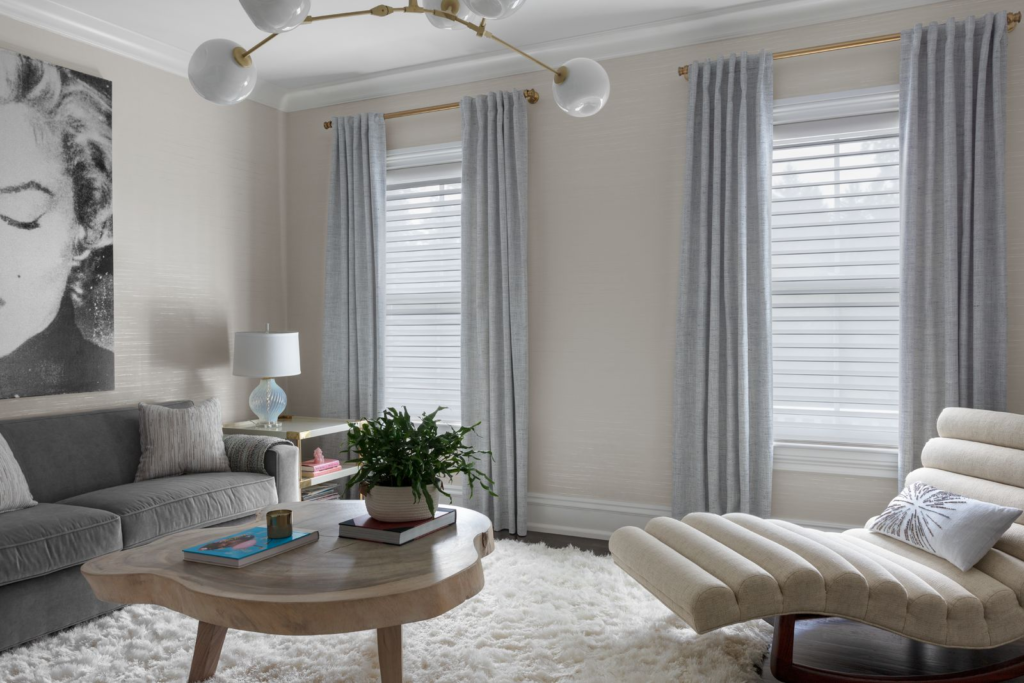
The right window treatments for small homes can do more than block sunlight or add privacy — they can visually stretch a room, draw the eye upward, and make even a modest space feel airy and open. The wrong choice, on the other hand, can make a small room feel heavier and more closed in than it actually is.
In this guide, we’ll cover 8 of the best window treatments for small homes, the fabrics and colors that work best, hanging and length tips, and common mistakes to avoid so your windows help your rooms feel larger in 2026.
Suggested featured image: sheer curtains hung floor-to-ceiling in a small, sunlit living room (alt text: “window treatments for small homes”)
Table of Contents
- Why Window Treatments Matter More in Small Rooms
- What to Consider Before You Buy
- 8 Window Treatment Ideas
- Best Fabrics and Colors for Small Spaces
- Hanging and Length Tips
- Common Mistakes to Avoid
- Frequently Asked Questions
- Final Thoughts
Why Window Treatments Matter More in Small Rooms
In a small room, a window is often one of the largest visual elements, so whatever covers it has an outsized effect on how the whole space feels. Heavy, dark drapes can swallow light and make a room feel boxed in, while the right window treatment can trick the eye into seeing more height and width than the room actually has.
Choosing thoughtful window treatments is one of the easiest, most affordable ways to make a compact room feel brighter and more open, without any structural changes. According to Better Homes & Gardens, hanging curtains higher than the window frame and choosing lighter fabrics remain two of the most recommended small-space design tricks going into 2026.
What to Consider Before You Buy
Before choosing curtains or blinds, keep these factors in mind.
1. Natural Light
Small rooms usually benefit from keeping as much natural light as possible. Sheer or lightweight fabrics let light filter through even when closed, keeping the room from feeling dim.
2. Ceiling Height Illusion
Hanging curtains close to the ceiling, rather than just above the window frame, draws the eye upward and makes the ceiling feel taller than it is.
3. Privacy Needs
Balance style with practicality — a busy street-facing window may need a layered approach, such as sheers paired with blinds, while an interior-facing window can stay minimal.
4. Maintenance and Cleaning
Lighter, washable fabrics are easier to maintain in smaller homes where storage for spare curtains or dry-cleaning trips may be limited.
8 Window Treatments for Small Homes
1. Sheer Curtains
Lightweight, semi-transparent sheers let in natural light while softening the view from outside, making them one of the most popular options for homeowners who want to stay bright.
Best for: Living rooms and bedrooms with good natural light.
2. Floor-to-Ceiling Curtains
Hanging curtains from ceiling to floor, regardless of the actual window size, creates the illusion of a taller room and a larger window than what’s really there.
Best for: Any small room where height is limited.
3. Roman Shades
Roman shades sit flat against the window when raised, taking up very little visual space compared to bulky drapes, and work well in rooms where a clean, tailored look is preferred.
Best for: Kitchens, home offices, and reading nooks.
4. Roller Blinds
A simple roller blind offers a streamlined, minimal look that disappears into the window frame when raised, making it ideal for rooms that need to feel uncluttered.
Best for: Bedrooms, bathrooms, and modern-style interiors.
5. Café Curtains
Covering only the lower half of a window, café curtains maintain privacy while letting light flood in through the top, a smart option for ground-floor or street-facing windows.
Best for: Kitchens and small dining nooks.
6. Light-Colored Blackout Curtains
For bedrooms that need full darkness, a light-colored blackout curtain (rather than a heavy dark one) blocks light just as effectively while keeping the room from feeling closed in during the day.
Best for: Bedrooms that need better sleep-friendly darkness.
7. Woven Wood or Bamboo Shades
These add warmth and texture without bulk, folding neatly out of the way when raised and letting in filtered, diffused light when lowered.
Best for: Living rooms and spaces with a natural or boho aesthetic.
8. Curtain-Free Frosted or Tinted Window Film
For very tight spaces where even a slim curtain rod feels like too much, frosted or tinted window film offers privacy without adding any visual bulk to the window at all.
Best for: Bathrooms and small windows in tight corners.
Suggested image: floor-to-ceiling curtains in a compact bedroom (alt text: “floor to ceiling curtains for small bedroom”)
Best Fabrics and Colors for Small Spaces
- Linen and cotton blends: Lightweight and breathable, they let in soft light while still adding texture.
- Light neutral tones: Whites, creams, and soft grays reflect more light and keep a small room feeling open.
- Avoid heavy velvet or thick blackout fabric in already-dim rooms, since it can absorb light and add visual weight.
- Matching curtain color to wall color creates a seamless look that makes the wall and window appear to extend further than they do.
Hanging and Length Tips
Mount Rods Higher and Wider
Installing the curtain rod a few inches above the window frame, and extending it beyond the frame on each side, makes the window itself look larger once curtains are drawn.
Let Curtains Just Graze the Floor
Curtains that end right at or just below floor level look more polished and taller than ones that stop short, which can visually cut a wall in half.
Keep Panels Full but Not Overstuffed
Two full panels that gather neatly to the sides of the window frame look intentional, while thin, skimpy panels can make a window treatment look like an afterthought.
(Internal link suggestion: link this section to your existing post on “Best Tiles for Your House” or “Jhumar Design Ideas for Home.”)
Common Mistakes to Avoid
- Hanging curtains too low or too tight to the frame — this shrinks the visual size of the window and the room.
- Choosing heavy, dark fabric in a dim room — it blocks light and adds visual weight to an already small space.
- Mismatching curtain length across a room — inconsistent lengths on multiple windows can make a room look unfinished.
- Ignoring privacy needs — a beautiful sheer curtain isn’t enough for a street-facing window without a liner or blind underneath.
- Overcomplicating small windows — layering too many treatments on one small window can make it feel cluttered rather than styled.
Frequently Asked Questions
What is the best curtain style for a small room? Sheer or lightweight curtains hung floor-to-ceiling are generally the best choice, since they let in natural light and create the illusion of a taller, larger window.
Should curtains match the wall color in a small room? Matching or closely coordinating curtain color with wall color is a popular trick, since it removes visual breaks and makes the wall and window blend into one continuous surface.
Are blinds or curtains better for small windows? Blinds like Roman shades or roller blinds take up less visual space when raised, which can suit very small windows, while curtains are better for creating the illusion of a taller or wider window overall.
Final Thoughts
Small rooms don’t need small-thinking window treatments. Choosing the right window treatments for small homes — whether that’s floor-to-ceiling sheers, a light-colored blackout curtain, or a simple roller blind — can make a compact room feel brighter, taller, and more open without any renovation at all.
Start with the room that feels the darkest or most closed-in, and try one of the tricks in this guide, like mounting the rod higher or switching to a lighter fabric. Small changes at the window often make the biggest visible difference in how spacious a room feels.
Which window treatment works best in your home? Let us know in the comments — and check out our related guide on jhumar design ideas for more home décor inspiration.
