
Introduction: Bad Assumptions Lead to Bad Purchases
Most disappointing furniture purchases don’t come from a lack of options — they come from outdated assumptions about what “affordable” actually means. These myths cause shoppers to either overspend out of fear or underspend without checking the details that actually matter. Clearing them up is often the fastest way to improve satisfaction with a limited budget.
Myth 1: “Cheap Furniture Always Falls Apart Quickly”
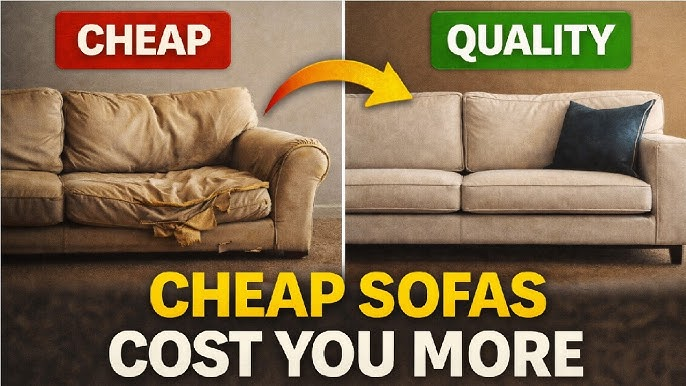
This myth assumes price and durability move together in a straight line, but that’s not how furniture manufacturing works. A large part of the price on premium furniture goes toward brand markup, showroom overhead, and retail distribution — not construction quality. Many direct-to-consumer and flat-pack brands cut those non-material costs while using comparable materials, which is why plenty of budget furniture holds up just as well as pricier alternatives. The real predictor of longevity is joint type and material density, not the price tag on its own.
Myth 2: “Secondhand Furniture Is Risky or Low Quality”
In reality, a lot of secondhand furniture — particularly dressers, tables, and bed frames from decades ago — was built with solid wood and traditional joinery that’s become rarer in new budget furniture. As long as a piece is checked for structural soundness, water damage, and pest activity before purchase, secondhand shopping is often one of the best ways to get better materials for less money than buying new.
Myth 3: “Flat-Pack Furniture Is Inherently Weaker”
Flat-pack construction lowers cost by reducing shipping size and labor, not by using worse materials. Durability comes down to the joinery method and fasteners used, and many flat-pack pieces use cam-lock fasteners and dowels that create genuinely stable joints when assembled correctly. The bigger risk with flat-pack furniture is assembly error — over-tightening screws into particleboard, for example — not the flat-pack format itself.
Myth 4: “If It’s on Sale or Clearance, Something Must Be Wrong With It”
Clearance and outlet furniture is frequently discounted for reasons that have nothing to do with structural quality — discontinued fabric colors, floor models with a small cosmetic scuff, or overstock from a slow sales season. These minor issues are often invisible once a piece is placed in a room, making outlet sections one of the more overlooked sources of genuine savings.
Myth 5: “You Need to Spend a Lot on a Mattress to Sleep Well”
The mattress-in-a-box industry has significantly closed the historical quality gap between budget and premium mattresses, using similar multi-layer foam and coil technology at a fraction of traditional retail pricing. Many budget mattress brands also offer extended trial periods (90 to 100+ nights), which reduces the risk of an unsatisfying purchase far more effectively than price alone ever could.
Myth 6: “Matching Furniture Sets Are the Safest Choice”
Buying an entire matched set often costs more than assembling a room from individually chosen pieces, and it limits flexibility if one item needs replacing later. A cohesive look can be achieved just as effectively — often more affordably — by sticking to a consistent finish family (matching wood tones or metal finishes) rather than buying every piece from the same collection.
Myth 7: “Assembly Instructions Are Basically the Same for Every Piece”
Assembly complexity varies significantly between budget furniture brands, and this is one of the most overlooked factors in overall satisfaction. A piece that takes 20 minutes with basic tools versus one that takes three hours with specialty hardware can completely change how a purchase feels, even if the finished product is similar in quality. Checking reviews for mentions of assembly time and required tools before buying helps avoid this frustration.
Myth 8: “A Higher Price Always Means a Better Return Policy”
Return and warranty policies vary independently of price, and many budget-focused brands offer generous return windows specifically to build trust and compete against established, pricier retailers. A budget item with a 100-day return window carries less financial risk than a premium item with a short or restrictive return policy, regardless of the initial price difference.
Myth 9: “Budget Furniture Can’t Look High-End”
Perceived quality has more to do with styling choices than raw material cost. Swapping out hardware, using a cohesive color palette, adding a well-chosen rug, and layering good lighting can make budget furniture look considerably more expensive than it actually was — often more effectively than buying a single pricier piece that clashes with everything around it.
How to Shop Without Falling for These Myths
A few habits consistently protect budget shoppers from these misconceptions:
- Judge by construction details (joinery, material density, hardware) rather than price alone.
- Read reviews written months or years after purchase, not just initial unboxing reactions.
- Check return and warranty terms before comparing prices, since a shorter return window increases real risk even on a “cheaper” item.
- Treat secondhand marketplaces as a legitimate first stop, not a last resort.
Conclusion: Better Assumptions, Better Purchases
Every myth on this list leads to the same outcome: either overspending out of unnecessary caution or underspending without checking the details that actually predict satisfaction. Once these assumptions are cleared away, furniture shopping becomes less about finding the “safest” price point and more about matching the right construction and features to how a piece will actually be used — which is where real, lasting satisfaction comes from.
