
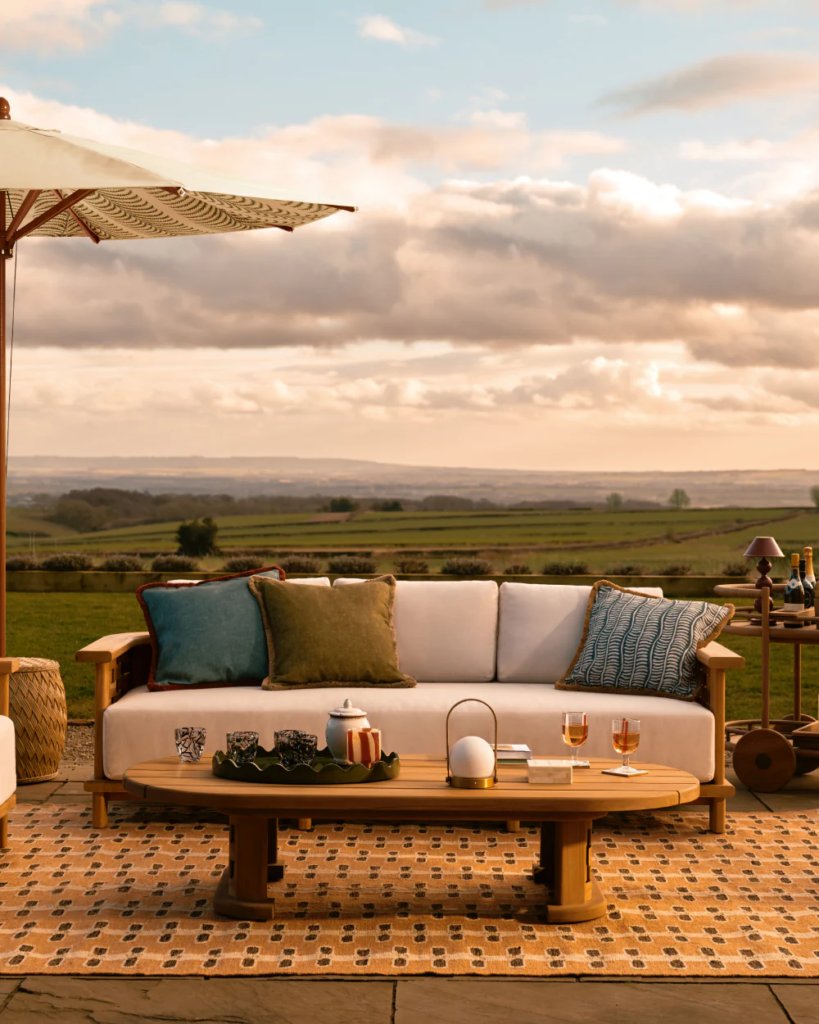
Outdoor furniture takes a beating that indoor pieces never have to face — sun, rain, humidity, temperature swings, and in many climates, snow and frost. Choosing the right patio or garden furniture means balancing style with durability, since a beautiful piece that falls apart after one season isn’t worth the investment.
This guide walks through the best materials for outdoor furniture, how to choose pieces suited to your climate, and how to keep everything looking great for years to come.
Why Outdoor Furniture Needs Special Consideration
Unlike indoor furniture, outdoor pieces are constantly exposed to environmental stressors: UV rays that fade color and weaken materials, moisture that causes rust or rot, and temperature fluctuations that can crack certain plastics or warp wood. Furniture designed specifically for outdoor use accounts for these challenges through weather-resistant materials, protective finishes, and drainage-friendly designs (like slatted seating that lets rainwater pass through rather than pool).
Buying furniture that isn’t rated for outdoor use — even if it looks similar — is one of the most common and costly mistakes homeowners make when furnishing a patio or deck.
Best Materials for Outdoor Furniture
Teak
Teak is widely considered the gold standard for outdoor wood furniture. Its high natural oil content makes it naturally resistant to water, insects, and rot, even without regular sealing. Untreated teak weathers to an attractive silvery-gray patina over time, though it can also be oiled periodically to maintain its original honey-brown color. It’s a premium option, but its longevity — often 20 years or more with minimal maintenance — makes it a worthwhile investment for many homeowners.
Eucalyptus
Eucalyptus offers a similar look to teak at a more affordable price point. It’s naturally water-resistant, though slightly less durable than teak over the very long term. Regular oiling helps eucalyptus furniture maintain its appearance and extend its lifespan.
Aluminum
Aluminum is lightweight, rust-resistant, and low-maintenance, making it a popular choice for outdoor dining sets and lounge furniture. Powder-coated aluminum resists chipping and fading better than untreated versions, and its light weight makes it easy to rearrange furniture for cleaning or seasonal storage.
Wrought Iron
Wrought iron furniture is heavier and sturdier than aluminum, which makes it a good choice for windy climates where lighter furniture might tip or blow around. It typically requires more maintenance, since iron is prone to rust if the protective coating is scratched or worn down over time.
Resin Wicker (Synthetic Wicker)
Unlike natural wicker, which deteriorates quickly outdoors, resin or synthetic wicker is woven from weather-resistant polyethylene fibers around an aluminum or steel frame. It offers the classic wicker look with significantly better durability against rain, sun, and humidity.
HDPE (High-Density Polyethylene)
HDPE is a recycled, weatherproof plastic often used for adirondack chairs and outdoor tables. It won’t crack, splinter, fade significantly, or rot, and it typically requires nothing more than an occasional wipe-down to maintain its appearance.
Concrete and Stone
For a modern, minimalist look, concrete and stone furniture — often used for outdoor tables or built-in-style seating — offers exceptional durability against weather. The trade-off is significant weight, which makes rearranging difficult, and a higher upfront cost for quality pieces.
Choosing Furniture for Your Climate
Hot, Sunny Climates
In consistently sunny regions, UV resistance is critical. Look for furniture with UV-stabilized finishes, and consider fabrics specifically labeled as fade-resistant, such as solution-dyed acrylic (commonly used in performance outdoor cushions). Darker metal furniture can also become uncomfortably hot to the touch in direct sun, so lighter colors or furniture with breathable cushions may be more practical.
Rainy or Humid Climates
In wetter climates, prioritize materials that resist rot and mold, like teak, HDPE, or powder-coated aluminum. Furniture with slatted seats and open designs allows water to drain rather than pool, reducing the risk of mildew buildup.
Coastal Areas
Salt air accelerates corrosion, particularly for metal furniture. In coastal regions, look for furniture explicitly rated for coastal or marine-grade use, and consider materials like teak, HDPE, or marine-grade stainless steel, which resist salt damage far better than standard aluminum or iron.
Cold or Snowy Climates
In regions with harsh winters, furniture that can be easily covered or stored indoors during the off-season will last significantly longer. If storage isn’t an option, choose materials rated for freeze-thaw cycles, and use breathable, weatherproof furniture covers to protect pieces left outside year-round.
Outdoor Cushions and Fabrics
Cushions and fabric add comfort to outdoor furniture but require careful material selection to withstand the elements:
- Solution-dyed acrylic fabrics (like those used by major outdoor fabric brands) resist fading, mold, and mildew better than standard cotton or polyester blends.
- Quick-dry foam allows water to drain through cushions rather than becoming waterlogged, reducing mold risk and drying time after rain.
- Removable, washable covers make seasonal cleaning significantly easier and extend the life of the cushions.
Even with weather-resistant fabrics, storing cushions indoors or in a deck box during extended periods of rain or winter weather will significantly extend their lifespan.
Styling Your Outdoor Space
Outdoor furniture styles have expanded well beyond the traditional white plastic patio set. Popular directions include:
- Modern minimalist: Clean-lined aluminum or HDPE furniture paired with neutral cushions and simple, geometric shapes.
- Coastal or nautical: Light wood tones, blue and white textiles, and woven or rope details.
- Industrial: Wrought iron or dark metal frames combined with weathered wood accents.
- Bohemian: Natural materials like rattan or teak, layered textiles, and warm, earthy color palettes.
As with indoor furniture, sticking to a consistent material or color palette across your outdoor pieces helps create a cohesive, intentional look rather than a mismatched collection of individual items.
Maintenance Tips to Extend the Life of Outdoor Furniture
- Clean regularly. A simple mixture of mild soap and water, applied with a soft brush, removes dirt and prevents buildup that can lead to staining or mildew.
- Oil wood furniture periodically. Teak and eucalyptus benefit from an occasional application of teak oil to maintain color and moisture resistance, particularly in dry climates.
- Cover or store furniture during extreme weather. Breathable, waterproof covers protect furniture during storms or winter months without trapping moisture underneath.
- Check hardware regularly. Outdoor furniture with bolts, screws, or joints should be inspected periodically for rust or looseness, particularly after harsh weather.
- Rotate cushions. Periodically flipping and rotating cushions helps ensure even wear and sun exposure, extending their usable life.
Final Thoughts
Outdoor furniture is an investment in how you experience your home beyond its four walls, whether that’s morning coffee on the porch, weekend barbecues, or quiet evenings under the stars. Choosing materials suited to your specific climate, understanding the maintenance each option requires, and selecting a cohesive style will help you build an outdoor space that stays beautiful and functional season after season.
With the right combination of durable materials and a bit of regular care, quality outdoor furniture can last for many years — turning your patio, deck, or garden into one of the most enjoyable spaces in your home.
Ready to upgrade your outdoor space? Browse our collection of weather-resistant, stylish outdoor furniture built to handle whatever the season brings.
