
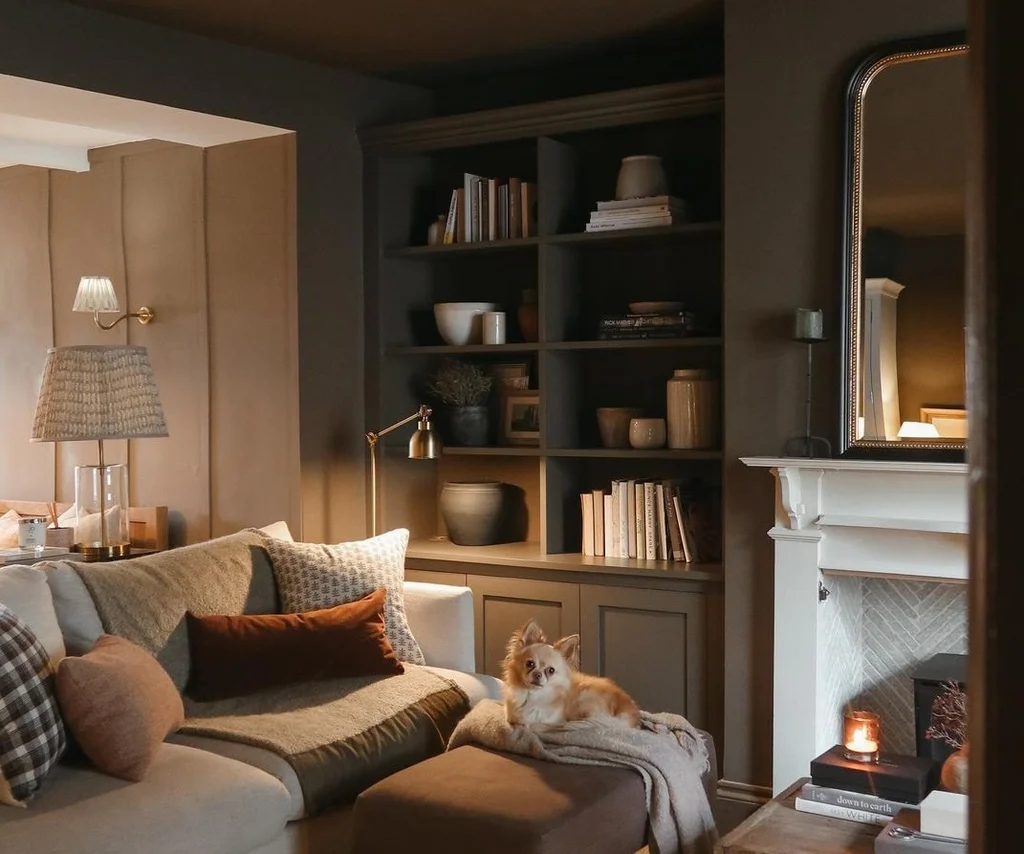
Living in a small apartment, studio, or compact home doesn’t mean you have to sacrifice style or comfort. With the right furniture choices and a little strategic planning, even the tightest floor plans can feel open, functional, and beautifully designed. The key is choosing pieces that do more with less — furniture that saves space, serves multiple purposes, and creates the illusion of a larger room.
This guide covers practical furniture ideas and layout strategies to help you make the most of every square foot.
Start With a Plan, Not a Purchase
Before buying anything, take stock of how you actually use your space. Many small-space furnishing mistakes happen because people buy pieces they love in isolation, without considering how they’ll function together in a limited footprint.
Ask yourself:
- What activities happen in this room? (Sleeping, working, entertaining, dining?)
- What’s the traffic flow — where do people walk through the space daily?
- What storage do you actually need, and what can be minimized or eliminated?
- Which furniture pieces are non-negotiable, and which are nice-to-haves?
Sketching a rough floor plan or using a free room-planning app can help you visualize furniture placement before committing to any purchase.
Choose Multi-Functional Furniture
The single most effective strategy for small spaces is investing in furniture that serves more than one purpose. A few standout examples:
Sofa Beds and Daybeds
A quality sofa bed allows a living room to double as a guest room without needing a dedicated space. Daybeds work similarly and can serve as a lounging spot during the day and a bed at night.
Storage Ottomans
An ottoman with hidden storage functions as a coffee table, extra seating, and a place to stash blankets, remotes, or books — all in one compact footprint.
Extendable and Drop-Leaf Tables
Extendable dining tables can shrink down for everyday use and expand when guests come over. Drop-leaf tables take this even further, folding down against a wall when not in use.
Murphy Beds
A wall-mounted Murphy bed folds up and out of sight during the day, freeing up an entire room for work, exercise, or living space. Modern versions often integrate shelving or a desk into the design.
Nesting Tables
Instead of one bulky coffee table, nesting tables stack together and can be pulled apart when extra surface space is needed, then tucked back in when not.
Storage Beds
A bed frame with built-in drawers underneath eliminates the need for a separate dresser, making it one of the most efficient furniture choices for small bedrooms.
Prioritize Furniture With Exposed Legs
Furniture that sits flush to the floor tends to visually “block” a room, making it feel heavier and smaller. Choosing sofas, chairs, and cabinets with slim, exposed legs allows light and sightlines to pass underneath, creating an airier, more open feeling — even if the actual square footage hasn’t changed.
Think Vertically
When floor space is limited, the walls and ceiling become valuable real estate. A few ways to take advantage of vertical space:
- Wall-mounted shelving keeps books, décor, and storage off the floor.
- Tall, narrow bookcases provide more storage without widening your footprint.
- Hanging or floating desks free up floor space in home offices.
- Loft beds raise the sleeping area, freeing up the space underneath for a desk, seating area, or storage.
- Pegboards or wall-mounted organizers in kitchens and entryways reduce the need for bulky furniture like sideboards or shoe racks.
Use Furniture to Define Zones
In studio apartments or open-concept layouts, furniture can act as a substitute for walls, helping to visually separate different functional areas without closing off the space.
- A bookshelf or open shelving unit can divide a sleeping area from a living area while still allowing light to pass through.
- A console table placed behind a sofa can mark the transition between a living room and an entryway.
- An area rug helps anchor a specific zone, like a seating area, even in an otherwise open room.
This approach allows a single room to serve multiple functions while still feeling organized and intentional rather than cluttered.
Scale Furniture to the Room
One of the most common small-space mistakes is choosing furniture that’s proportionally too large. A oversized sectional might be comfortable, but in a small living room, it can overwhelm the space and block walkways.
When shopping, look for:
- Apartment-sized sofas, typically narrower and with slimmer arms than standard sofas.
- Armless or slim-profile chairs instead of bulky armchairs.
- Round or oval tables, which often allow for better traffic flow in tight spaces than rectangular ones with sharp corners.
- Furniture with a lower profile, since tall, bulky pieces can make ceilings feel lower and rooms feel more closed-in.
Measuring your space carefully — including doorways and hallways furniture must pass through — remains just as important in small spaces as in larger ones, if not more so.
Use Mirrors and Reflective Surfaces Strategically
While not furniture in the traditional sense, mirrors are one of the most effective small-space tools available. A large mirror placed opposite a window reflects natural light throughout the room and creates the illusion of additional depth. Furniture with glass or mirrored surfaces, like a glass-top coffee table or a mirrored side table, can achieve a similar effect by taking up visual space without appearing bulky.
Light, Neutral Colors Help — But Aren’t the Only Option
It’s a common myth that small spaces must be furnished entirely in white or neutral tones to feel larger. While lighter colors do reflect more light and can make a room feel airy, small spaces can absolutely handle bold colors or patterns in smaller doses — think a vibrant accent chair or a patterned ottoman — without overwhelming the room. The key is balance: pair one or two statement pieces with simpler, lighter surrounding furniture.
Don’t Forget Lighting Furniture
Floor lamps and table lamps do more than illuminate a room — they can also reduce the need for bulky overhead fixtures and add warmth to a small space. Choose slim, tall floor lamps that don’t take up much floor space, or wall-mounted sconces that free up surface area on side tables entirely.
Smart Storage Solutions for Small Spaces
Clutter is the enemy of small spaces, making thoughtful storage furniture essential:
- Under-bed storage bins or drawers make use of otherwise wasted space.
- Modular shelving units can be configured and reconfigured as your storage needs change.
- Entryway benches with storage combine seating with a place to stash shoes, bags, or outerwear.
- Vertical closet organizers maximize storage in small bedrooms without requiring a larger footprint.
Final Thoughts
Furnishing a small space is less about fitting in less furniture and more about choosing the right furniture — pieces that are scaled appropriately, serve multiple functions, and work together to create flow rather than clutter. With a bit of planning and a focus on multi-functional, well-proportioned pieces, even the most compact home can feel comfortable, organized, and stylish.
Whether you’re furnishing a studio apartment, a small bedroom, or a cozy living room, the strategies above can help you make confident furniture choices that maximize both function and style, no matter how many square feet you’re working with.
Looking for furniture designed specifically for smaller spaces? Explore our collection of space-saving, multi-functional pieces built to help your home feel bigger, without the bulk.
