
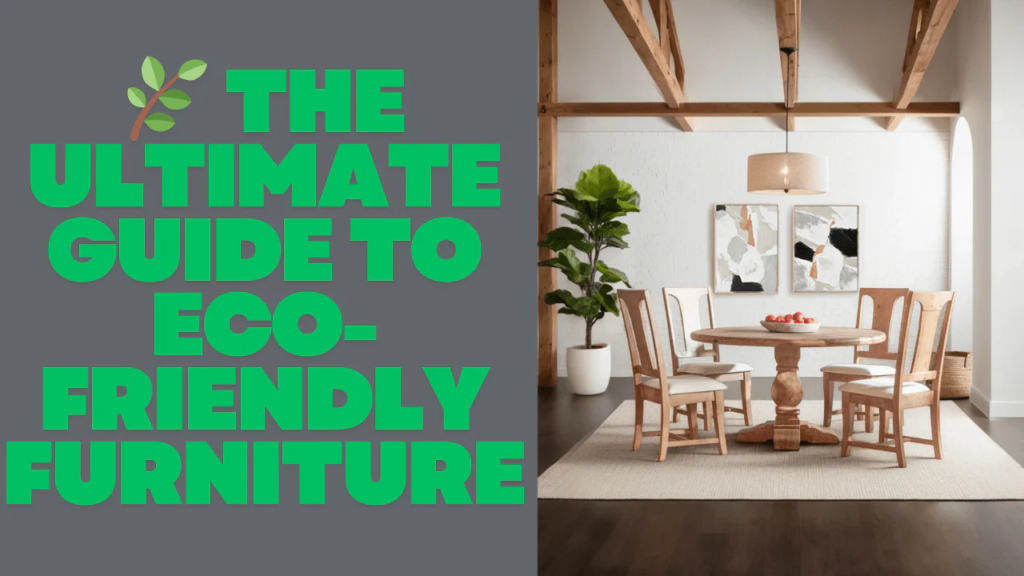
Sustainability has moved from a niche concern to a mainstream priority for homeowners and renters alike. As awareness grows around deforestation, chemical off-gassing, and the environmental cost of “fast furniture,” more people are asking a simple question: how can I furnish my home without harming the planet?
The good news is that sustainable furniture shopping doesn’t mean sacrificing style, comfort, or budget. This guide walks you through everything you need to know to make eco-conscious choices for every room in your home.
What Makes Furniture “Sustainable”?
Sustainable furniture generally falls into one or more of these categories:
- Responsibly sourced materials — wood harvested from certified, replanted forests rather than old-growth or illegally logged areas.
- Low-impact manufacturing — production processes that minimize water use, energy consumption, and toxic emissions.
- Non-toxic finishes — furniture free from formaldehyde, volatile organic compounds (VOCs), and other harmful chemicals.
- Durability and longevity — well-built pieces designed to last decades rather than being replaced every few years.
- Recyclability or biodegradability — materials that can eventually be repurposed or broken down rather than sitting in a landfill.
No single piece of furniture checks every box perfectly, but understanding these categories helps you weigh trade-offs and make informed decisions.
Why Fast Furniture Is a Problem
“Fast furniture” refers to cheaply made, mass-produced pieces designed for short-term use — often assembled from particleboard, thin veneers, and synthetic materials that aren’t built to last. Much like fast fashion, this furniture is inexpensive upfront but tends to break down within a few years, ending up in landfills.
According to environmental researchers, discarded furniture is one of the fastest-growing categories of household waste, and much of it isn’t biodegradable. Choosing higher-quality, longer-lasting pieces — even at a higher upfront cost — reduces the overall environmental footprint of your home over time.
Sustainable Materials to Look For
FSC-Certified Wood
The Forest Stewardship Council (FSC) certifies wood products that come from responsibly managed forests. Look for the FSC label on wood furniture to ensure the material was sourced without contributing to deforestation.
Reclaimed Wood
Reclaimed wood is salvaged from old barns, factories, shipping pallets, or demolished buildings, then repurposed into new furniture. It requires no new tree harvesting and often has a unique, weathered character that mass-produced wood can’t replicate.
Bamboo
Bamboo is one of the fastest-growing plants on earth, making it a highly renewable material. It’s strong, lightweight, and increasingly used for everything from dining tables to bed frames.
Recycled Metal and Glass
Furniture incorporating recycled steel, aluminum, or glass reduces the demand for newly mined or manufactured raw materials, while still offering durability for frames, legs, and tabletops.
Natural and Organic Textiles
For upholstery, look for organic cotton, linen, hemp, or wool, which are grown or produced with fewer pesticides and chemical treatments than conventional synthetic fabrics. Natural latex is also a more sustainable alternative to petroleum-based foam for cushions and mattresses.
Low-VOC and Water-Based Finishes
Traditional furniture finishes can release volatile organic compounds into your home for months or years after purchase. Water-based stains, natural oils (like linseed or tung oil), and low-VOC lacquers are healthier alternatives that reduce indoor air pollution.
Certifications to Know
When shopping for sustainable furniture, these labels can help verify a brand’s claims:
- FSC (Forest Stewardship Council): Certifies responsibly sourced wood.
- GREENGUARD Gold: Certifies low chemical emissions, particularly important for furniture in bedrooms and children’s rooms.
- GOTS (Global Organic Textile Standard): Certifies organic fibers used in upholstery and bedding.
- Cradle to Cradle Certified: Evaluates a product’s full lifecycle, including material health, recyclability, and manufacturing practices.
- B Corp Certification: While not furniture-specific, this indicates a company meets broader social and environmental performance standards.
Not every sustainable brand will carry every certification, since third-party certification can be costly for smaller manufacturers. It’s worth researching a brand’s sourcing and production practices directly if certifications aren’t listed.
Buying Secondhand and Vintage Furniture
One of the most sustainable choices you can make is simply not buying new. Secondhand and vintage furniture:
- Prevents usable items from ending up in landfills.
- Often features better construction than modern fast furniture, since older pieces were frequently built with solid wood and traditional joinery.
- Costs significantly less than comparable new pieces.
- Adds unique character that mass-produced furniture can’t replicate.
Estate sales, thrift stores, online marketplaces, and specialty vintage shops are all great places to find quality secondhand pieces. When buying used furniture, inspect joints, drawers, and upholstery closely, and don’t be afraid to negotiate on price if a piece needs minor repairs or reupholstering.
Renting and Furniture Subscription Services
For renters, students, or anyone who moves frequently, furniture rental and subscription services have become a popular sustainable alternative. These services allow you to use quality furniture without owning it outright, and the furniture is refurbished and reused by future customers rather than discarded. This model reduces overall production demand and waste while offering flexibility for short-term living situations.
How to Extend the Life of Furniture You Already Own
Sustainability isn’t only about what you buy — it’s also about how long you keep what you already have. A few ways to extend furniture lifespan include:
- Reupholstering worn sofas and chairs instead of replacing them.
- Refinishing scratched or faded wood surfaces with sanding and a fresh coat of oil or stain.
- Repairing loose joints, wobbly legs, or squeaky drawers rather than discarding the piece.
- Repurposing furniture for a new function — an old dresser can become a bathroom vanity, or a door can become a desktop.
Donating furniture you no longer need, rather than sending it to a landfill, also extends its useful life and keeps it out of the waste stream.
Balancing Sustainability and Budget
Sustainable furniture sometimes comes with a higher price tag due to responsibly sourced materials and ethical labor practices. If budget is a concern, consider these strategies:
- Prioritize sustainable choices for high-use items like sofas, beds, and dining tables, where durability matters most.
- Shop secondhand for items you’ll use less frequently or that are easy to inspect for quality, like bookshelves or side tables.
- Look for end-of-season sales from sustainable brands, which often offer meaningful discounts without compromising on sourcing standards.
- Remember that a well-made piece purchased once often costs less over its lifetime than replacing cheaper furniture multiple times.
Final Thoughts
Furnishing your home sustainably doesn’t require an all-or-nothing approach. Every choice — from selecting FSC-certified wood to buying a secondhand dresser instead of a new one — reduces environmental impact and often results in better-quality furniture for your home.
As you plan your next furniture purchase, take time to research materials, ask about sourcing, and consider whether a piece is built to last for years, not just seasons. Small, thoughtful decisions add up to a home that’s not only beautiful, but also better for the planet.
Ready to furnish your home responsibly? Browse our collection of sustainably sourced, built-to-last furniture designed for modern living.
