
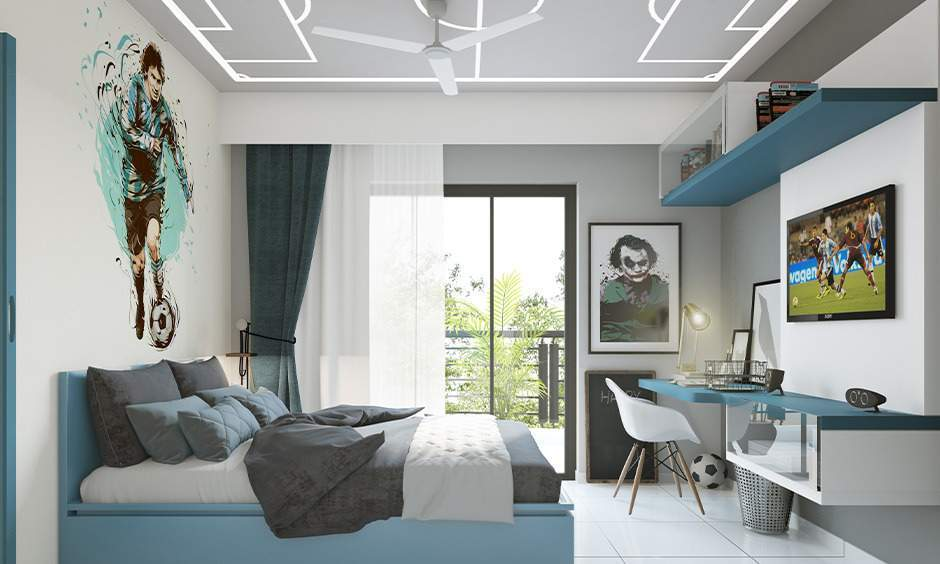
The bedroom is more than just a place to sleep — it’s a retreat from the busyness of daily life, a space for rest, relaxation, and personal comfort. Choosing the right furniture for this room has a direct impact on sleep quality, morning routines, and overall wellbeing. This guide walks through the essential furniture pieces for any bedroom, how to choose them wisely, and how to arrange them for a space that feels calm and functional.
Why Bedroom Furniture Deserves Special Attention
Unlike a living room or kitchen, the bedroom is a deeply personal space, and the furniture within it affects something as important as sleep. A cluttered, poorly arranged bedroom can contribute to a restless mind at night, while a thoughtfully furnished one can promote relaxation and better rest. Beyond sleep, bedroom furniture also needs to support daily routines — getting dressed, storing clothes, and creating a peaceful start and end to each day.
The Bed: The Foundation of the Room
The bed is the most important piece of furniture in any bedroom, both functionally and visually.
Bed Frame Types
- Platform beds offer a clean, low-profile look and often eliminate the need for a box spring, making them a popular modern choice.
- Sleigh beds feature curved headboards and footboards, adding a classic, elegant touch to traditional bedrooms.
- Storage beds include built-in drawers beneath the mattress, an excellent option for smaller bedrooms that need extra storage without additional furniture.
- Canopy beds create a dramatic focal point and can add a sense of coziness or luxury, particularly in larger rooms.
- Upholstered beds with padded headboards add softness and comfort, both visually and physically, especially for those who like to sit up in bed to read.
Choosing the Right Size
Bed size should reflect both the room’s dimensions and who will be using it. A queen size works well for most couples and standard bedrooms, while a king provides more space for those who want extra room or share the bed with children or pets. In smaller rooms, a full or even a twin XL can prevent the bed from overwhelming the space, leaving room for other essential furniture.
Nightstands: Small Pieces, Big Impact
Nightstands provide a convenient surface for lamps, books, phones, and other essentials, and they contribute significantly to the room’s overall symmetry and style.
- Matching pairs create a balanced, cohesive look on either side of the bed.
- Mismatched nightstands can add character and personality, particularly in eclectic or vintage-inspired bedrooms.
- Floating nightstands are ideal for small bedrooms, saving floor space while still providing a functional surface.
- Nightstands with drawers offer hidden storage for items you’d rather keep out of sight, like chargers, medications, or personal items.
When choosing height, aim for a nightstand surface that sits roughly level with the top of your mattress, making it easy to reach items without straining.
Dressers and Wardrobes: Solving Storage Needs
Clothing storage is one of the most practical considerations in bedroom furniture planning.
Dressers
A dresser provides horizontal storage and often doubles as a display surface for mirrors, decor, or a jewelry tray. Wide dressers with multiple drawers work well for folded clothing, while taller chests of drawers save floor space in smaller rooms.
Wardrobes and Armoires
For bedrooms without built-in closets, a wardrobe or armoire becomes essential for hanging clothes. These larger pieces should be positioned thoughtfully, as they can dominate a room if not scaled appropriately to the space.
Walk-In Closet Alternatives
In bedrooms with limited closet space, combining a slim wardrobe with under-bed storage bins or a storage bed can help maximize capacity without requiring a large footprint.
Seating and Additional Furniture
While not essential, additional furniture pieces can enhance a bedroom’s comfort and function.
- Accent chairs create a cozy reading nook or a spot to sit while getting dressed.
- Benches at the foot of the bed provide a practical spot to sit while putting on shoes, plus extra surface space for folding clothes or laying out outfits.
- Vanities offer a dedicated space for getting ready, particularly useful in bedrooms without a large bathroom counter.
- Full-length mirrors, whether freestanding or wall-mounted, are both functional and can visually expand a smaller room.
Choosing a Cohesive Style
Bedroom furniture works best when pieces share a consistent style, wood tone, or color palette, even if they aren’t purchased as a matching set.
- Warm wood tones create a cozy, inviting atmosphere well-suited to traditional or farmhouse-style bedrooms.
- White or light-painted furniture brightens the room and pairs well with soft, calming color palettes.
- Dark wood or black furniture adds a dramatic, sophisticated look, particularly effective in larger bedrooms with ample natural light.
- Mixed metals and woods can work in eclectic or transitional bedrooms when tied together with a consistent color scheme in bedding and decor.
Bedroom Layout and Furniture Placement
Thoughtful furniture placement is just as important as the pieces themselves.
- Position the bed as the focal point, typically centered on the wall opposite the door or positioned to avoid being directly in line with it.
- Leave adequate walking space, generally at least 24 to 30 inches on each side of the bed and at the foot, to allow comfortable movement.
- Keep pathways clear between the bed, door, and closet to avoid obstacles during nighttime movement.
- Balance the room visually by distributing larger pieces, like dressers and wardrobes, rather than clustering them all on one side.
- Consider natural light when placing furniture, avoiding blocking windows with tall pieces where possible.
Small Bedroom Furniture Tips
For bedrooms with limited square footage, a few strategies can make a significant difference:
- Choose a bed with built-in storage to eliminate the need for a separate dresser.
- Opt for floating shelves and nightstands to keep the floor visually open.
- Select furniture with legs rather than pieces that sit flush on the floor, creating a sense of airiness.
- Use a large mirror to visually expand the space and reflect natural light.
- Avoid oversized furniture that overwhelms the room’s proportions, even if it seems like better value for the price.
Materials and Durability
Bedroom furniture should balance aesthetics with long-term durability, especially for pieces used daily like dressers and nightstands.
- Solid wood furniture offers the best durability and can be refinished over time, making it a strong long-term investment.
- Engineered wood provides a more budget-friendly option, though it’s typically less durable and more prone to damage from moisture.
- Upholstered furniture, such as headboards and benches, should use performance fabrics if the household includes children or pets, for easier cleaning and maintenance.
Final Thoughts
Furnishing a bedroom thoughtfully goes beyond simply choosing an attractive bed. From nightstands and dressers to seating and layout, every piece plays a role in creating a space that supports rest, organization, and daily routines. By prioritizing comfort, choosing appropriately scaled furniture, and maintaining a cohesive style, you can create a bedroom that feels like a true retreat — one that makes both winding down at night and starting the day feel just a little easier.
