
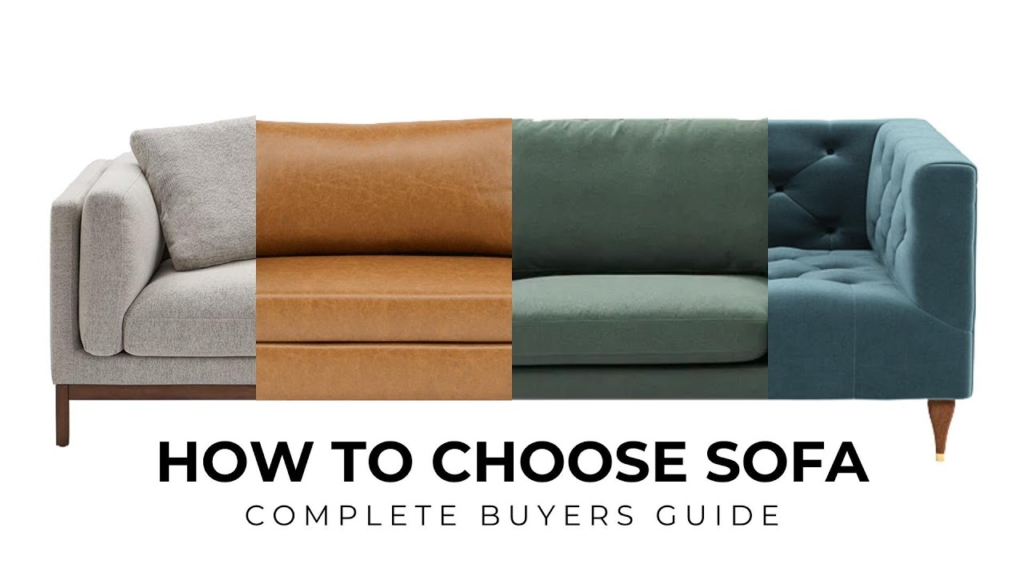
The sofa is the centerpiece of most living rooms — the place where families gather, guests sit, and lazy Sunday afternoons happen. Yet with so many styles, materials, and price points available, choosing the right sofa can feel overwhelming. This guide breaks down everything you need to consider before buying, so you can find a sofa that fits your space, your lifestyle, and your budget.
Why the Sofa Deserves Extra Thought
Unlike smaller furniture pieces, a sofa is a long-term investment that anchors the entire room. It’s often the largest piece of furniture in a home, the one guests notice first, and the one that gets the most daily use. A poor choice — whether in size, comfort, or durability — is felt every single day, while a well-chosen sofa can serve a household comfortably for a decade or more.
Because of the size of this investment, it’s worth slowing down and considering a few key factors before making a purchase.
Step 1: Measure Your Space Carefully
Before looking at styles or fabrics, measure the room where the sofa will live. Consider:
- The available wall space where the sofa will sit
- Doorways, hallways, and staircases the sofa must pass through during delivery
- Walking space needed around the sofa — generally at least 30 inches for comfortable movement
- Ceiling height and window placement, especially for high-backed or oversized designs
Many buyers use painter’s tape to map out a sofa’s footprint directly on the floor. This simple step can prevent the common mistake of ordering a sofa that overwhelms — or gets lost in — the room.
Step 2: Decide on a Sofa Style
Sofa styles vary significantly, and the right one depends on both your room’s aesthetic and how you plan to use it.
Sectional Sofas
Sectionals offer generous seating and are ideal for open-concept living rooms or families that need to accommodate many people at once. L-shaped and U-shaped configurations can also help define a seating area within a larger space.
Loveseats
Compact and versatile, loveseats work well in smaller rooms or as a secondary seating option paired with a larger sofa or accent chairs.
Chesterfields
Known for deep button-tufting and rolled arms, Chesterfield sofas bring a classic, formal look that suits traditional or vintage-inspired interiors.
Mid-Century Sofas
With tapered legs, clean lines, and low profiles, mid-century sofas suit modern and retro-styled homes and tend to feel less bulky than traditional designs.
Sleeper Sofas
For households that regularly host overnight guests, a sleeper sofa combines everyday seating with a fold-out bed, making it a practical dual-purpose choice.
Modular Sofas
Modular designs allow individual sections to be rearranged or expanded over time, offering flexibility for households whose space or needs may change.
Step 3: Choose the Right Frame
The frame is the foundation of a sofa’s durability, even though it’s hidden beneath the upholstery.
- Kiln-dried hardwood frames are considered the gold standard, offering strength and resistance to warping over time.
- Softwood frames are more affordable but may not hold up as well to years of heavy use.
- Plywood frames can offer a good balance of cost and durability when constructed well.
- Metal frames are less common but valued for their strength, particularly in modern or industrial-style sofas.
When shopping in person, gently rocking or lifting one corner of a floor-model sofa can give you a sense of the frame’s sturdiness — a solid frame won’t creak or flex noticeably.
Step 4: Evaluate Cushion Fill and Comfort
Cushion fill affects both comfort and how well a sofa holds its shape over time.
Foam Cushions
High-density foam provides firm, supportive seating and tends to retain its shape longer than softer alternatives, making it a popular choice for high-traffic households.
Down and Feather Blends
These offer a plush, sink-in feel but require regular fluffing to maintain their shape and may not provide as much support for longer sitting sessions.
Foam-Wrapped in Down
This hybrid option combines the support of foam with the soft outer feel of down, offering a balance many buyers find ideal.
Spring Systems
Eight-way hand-tied springs are considered a premium feature, offering excellent support and durability, though they add to the overall cost of the sofa.
Sitting on a sofa for several minutes in the store — rather than just a quick perch — is the best way to judge whether the cushioning suits your comfort preferences.
Step 5: Pick a Durable, Practical Fabric
Upholstery choice affects both the look and the long-term maintenance of a sofa.
- Performance fabrics are engineered to resist stains, spills, and wear, making them an excellent choice for households with kids or pets.
- Linen offers a relaxed, textured look but can wrinkle and stain more easily than synthetic blends.
- Velvet adds a luxurious feel and rich color depth, though it may show wear patterns over time in high-use areas.
- Leather is highly durable and easy to wipe clean, aging gracefully with a natural patina, though it typically comes at a higher price point.
- Microfiber is a budget-friendly, stain-resistant option that mimics the look of suede.
For households with children, pets, or frequent guests, prioritizing stain-resistant, easy-to-clean fabrics can save significant maintenance effort down the road.
Step 6: Consider Color and Pattern Carefully
A sofa’s color has a major impact on the room’s overall look and how versatile the piece will be over time.
- Neutral tones — grays, beiges, and creams — offer flexibility and make it easier to update a room’s look with new accent pieces rather than replacing the sofa itself.
- Bold colors can serve as a striking focal point but may limit how easily the room’s palette can change in the future.
- Patterns add visual interest but can look dated more quickly than solid colors, so they’re often better suited to accent pillows or a secondary chair rather than the main sofa.
Step 7: Set a Realistic Budget
Sofa prices vary enormously based on frame quality, materials, and craftsmanship. When budgeting, keep in mind:
- Higher upfront cost often means lower long-term cost when a well-made sofa lasts significantly longer than a cheaper alternative.
- Warranties matter. A solid warranty on the frame and cushions can be a good indicator of a manufacturer’s confidence in their product.
- Delivery and assembly fees can add to the total cost, so factor these in when comparing options.
- Sales events, such as those around major holidays, are often good opportunities to purchase higher-quality sofas at a reduced price.
Common Sofa-Buying Mistakes to Avoid
- Skipping measurements and assuming a sofa will fit based on appearance alone.
- Prioritizing looks over comfort, especially for a piece used daily.
- Choosing trendy colors or patterns for a large investment piece that’s expensive to replace.
- Not checking return or trial policies, since comfort preferences can be hard to judge from a brief in-store visit.
- Ignoring maintenance requirements of certain fabrics, which can lead to a sofa looking worn out well before its time.
Caring for Your Sofa
Proper care extends the life of any sofa significantly. Vacuum upholstery regularly to prevent dust and debris from settling into the fibers. Rotate and fluff cushions periodically to maintain even wear. Address spills immediately, using cleaning methods appropriate to the specific fabric type. For leather sofas, periodic conditioning helps prevent cracking and maintains suppleness over time.
Final Thoughts
Choosing the perfect sofa comes down to balancing size, style, comfort, durability, and budget. By measuring your space accurately, understanding frame and cushion quality, selecting a practical fabric, and setting a realistic budget, you can find a sofa that not only looks great but holds up to years of daily life. A well-chosen sofa isn’t just furniture — it’s the heart of the living room, and getting the decision right pays off every single day you use it.
