
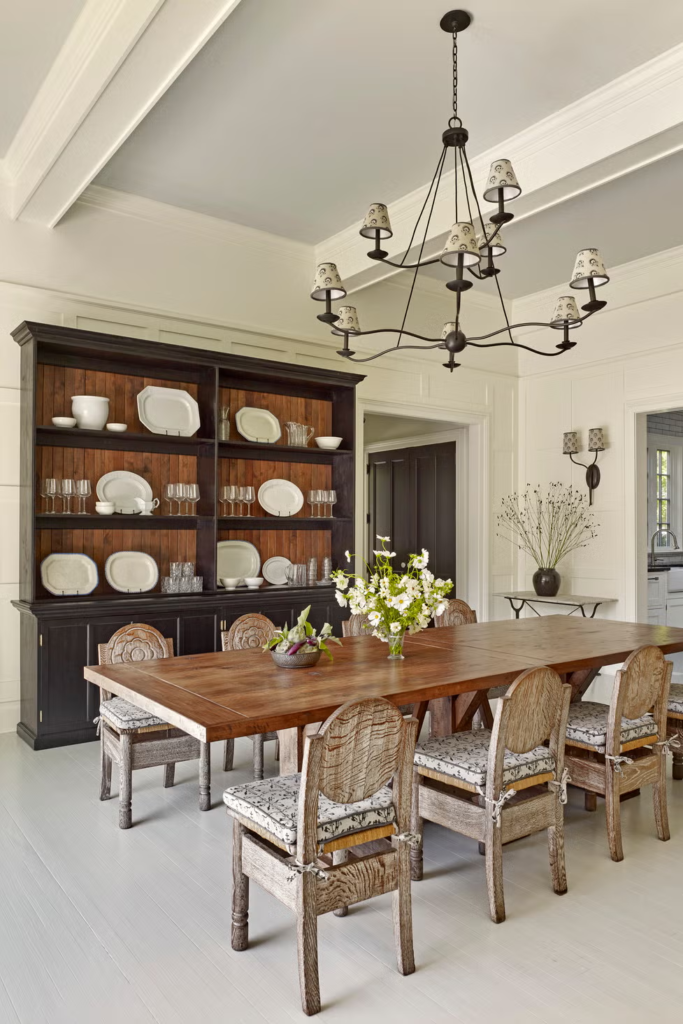
The dining room is where meals are shared, holidays are celebrated, and everyday conversations happen around the table. Choosing the right furniture for this space involves more than picking an attractive table — it requires thinking about size, seating capacity, flow, and how the room will actually be used day to day. This guide covers everything you need to know to furnish a dining room that works beautifully for both casual meals and special occasions.
Why Dining Room Furniture Requires Careful Planning
The dining table is often one of the largest and most-used pieces of furniture in a home, serving not just for meals but for homework, work-from-home tasks, craft projects, and gatherings. Because it’s such a central, multi-purpose piece, getting the size, shape, and style right has an outsized impact on how functional and welcoming the space feels.
Choosing the Right Dining Table
Size and Seating Capacity
A good rule of thumb is to allow about 24 inches of table width per person for comfortable seating, plus additional space for serving dishes if you entertain often. Measure your room carefully and leave at least 36 inches of clearance between the table’s edge and the nearest wall or furniture, allowing chairs to be pulled out and people to walk around comfortably.
Table Shapes
- Rectangular tables are the most common choice, working well in most room shapes and offering flexible seating arrangements for larger groups.
- Round tables encourage conversation since everyone faces each other, and they work particularly well in smaller or square-shaped rooms.
- Square tables suit smaller households and compact spaces, though they can become impractical for larger gatherings.
- Oval tables offer a softer alternative to rectangular tables, often fitting more people comfortably in tighter rooms due to rounded corners.
Extendable and Drop-Leaf Tables
For households that don’t need full seating capacity every day, extendable tables with leaves or drop-leaf designs offer flexibility — compact for daily use, expandable for hosting. This is especially useful in smaller dining rooms or open-concept spaces.
Selecting Dining Chairs
Dining chairs need to balance comfort, style, and practicality, especially since they’ll be used for extended periods during meals and gatherings.
- Upholstered chairs add comfort and a softer aesthetic but require more maintenance, especially with light-colored fabrics in households with children.
- Wood chairs are durable and easy to clean, making them a practical choice for everyday use.
- Armless chairs allow for easier tucking under the table and take up less visual space, useful in smaller dining rooms.
- Mixed seating, such as a bench on one side paired with chairs on the other, can add visual interest while maximizing seating flexibility, particularly for households with kids.
When measuring for chairs, ensure at least 6 inches of clearance between the seat and the underside of the table for comfortable leg room.
Buffets, Sideboards, and Storage
Storage furniture in the dining room helps keep table linens, serving dishes, and everyday dinnerware organized and accessible.
Buffets and Sideboards
These long, low storage pieces provide surface space for serving during meals and storage underneath for dishware, linens, and entertaining essentials. They also offer a natural spot to display decor, lamps, or artwork above.
China Cabinets and Hutches
Taller storage pieces with glass-front doors are ideal for displaying fine china, glassware, or collectibles while keeping them protected from dust. These work particularly well in more formal dining rooms.
Bar Carts
For households that entertain frequently, a bar cart adds a stylish, functional spot for drinks and glassware, and its mobility allows it to be moved to different areas of the home as needed.
Lighting as a Dining Room Essential
While not furniture in the traditional sense, lighting plays a critical role in how a dining room functions and feels.
- Pendant lights or chandeliers centered above the table create a focal point and provide direct, functional lighting for meals.
- Dimmable fixtures allow the room to transition from bright, functional lighting for daily use to a softer ambiance for entertaining.
- Proper hanging height typically places the bottom of a pendant or chandelier about 30 to 36 inches above the table surface, ensuring good lighting without obstructing sightlines across the table.
Matching Dining Room Style to Your Home
- Traditional dining rooms often feature rich wood tones, upholstered chairs, and formal china cabinets, creating an elegant space suited for special occasions.
- Modern dining rooms favor clean lines, mixed materials like glass and metal, and minimalist chair designs.
- Farmhouse-style dining rooms combine rustic wood tables with a mix of chair styles, often incorporating a bench for a casual, welcoming feel.
- Scandinavian dining rooms use light wood tones, simple silhouettes, and neutral color palettes to create an airy, functional space.
Mixing chair styles around a single table has become increasingly popular, adding personality and visual interest without requiring a fully matched set.
Open-Concept and Multi-Purpose Dining Spaces
In many modern homes, the dining area shares space with the kitchen or living room rather than existing as a separate room. In these layouts, furniture choices need to work harder to define the space.
- Area rugs can visually anchor the dining area within an open floor plan, with the table and chairs fitting entirely within the rug’s boundaries.
- Lighting fixtures help signal a distinct zone, drawing the eye and defining the dining area even without walls.
- Consistent style between dining furniture and adjacent living or kitchen furniture helps the open space feel cohesive rather than disjointed.
Small Dining Room Solutions
For smaller homes or apartments, a few strategies can help maximize function without sacrificing style:
- Choose a round or drop-leaf table that can expand only when needed.
- Opt for benches along one side of the table, which can tuck in more compactly than chairs.
- Select a table with slim, tapered legs to create a lighter visual footprint.
- Use wall-mounted or fold-down tables in very tight spaces, providing dining functionality without a permanent furniture footprint.
Materials and Durability
Dining furniture experiences frequent use, spills, and wear, so material choice matters for long-term durability.
- Solid wood tables offer excellent durability and can often be refinished if scratched or worn over time.
- Engineered wood with veneer provides a more budget-friendly option, though it’s more vulnerable to water damage and less repairable.
- Glass tabletops offer a modern look and are easy to clean, though they show fingerprints and smudges more readily than wood.
- Stain-resistant chair fabrics are particularly valuable in households with children, reducing the stress of everyday spills and stains.
Common Dining Room Furniture Mistakes to Avoid
- Buying a table too large or too small for the room, disrupting the flow of movement around it.
- Overlooking chair comfort, especially for chairs that will be used during long meals or gatherings.
- Ignoring lighting placement, resulting in a dining area that feels dim or poorly lit for evening meals.
- Choosing delicate materials without considering the household’s actual daily use, leading to premature wear or damage.
Final Thoughts
A well-furnished dining room brings people together, whether for a quick weekday breakfast or a long holiday dinner. By choosing an appropriately sized table, comfortable and durable seating, thoughtful storage, and lighting that suits both daily use and special occasions, you can create a dining space that feels both functional and inviting — a room the whole household will genuinely want to gather in.
