
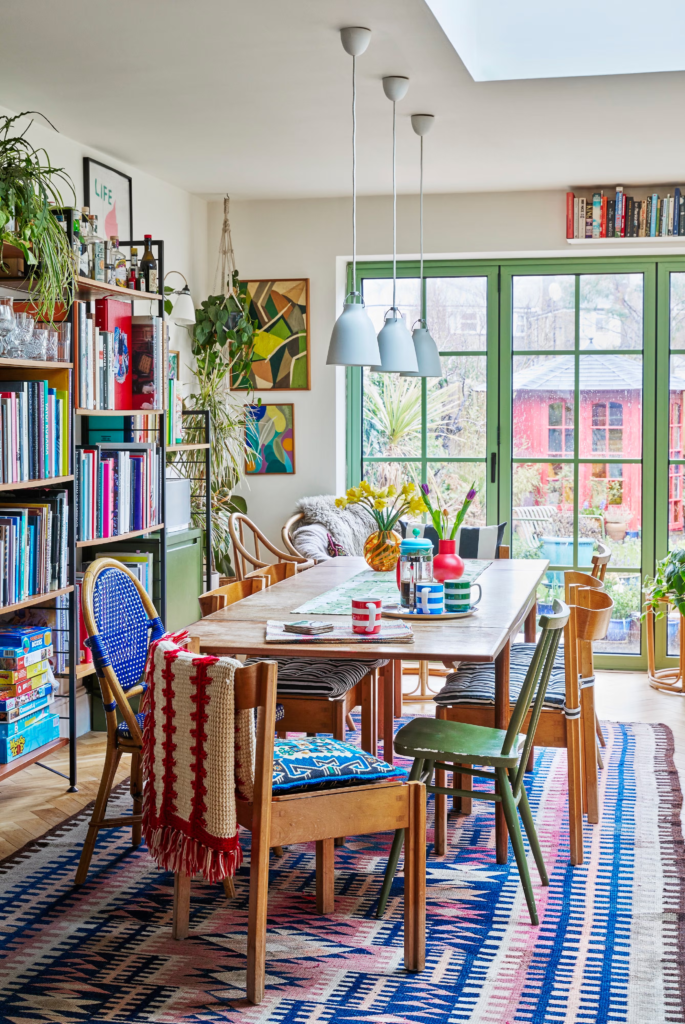
If your living room still feels stuck in a straight-edged, matching-set kind of era, 2026 is giving you plenty of reasons to switch things up. This year’s furniture trends are less about chasing a single “look” and more about building rooms that feel personal, tactile, and genuinely lived-in. Designers are moving away from the rigid minimalism that dominated the last decade and leaning into warmth, individuality, and comfort you can actually feel.
Whether you’re furnishing a new space or simply looking to update a tired room, here’s your complete guide to the furniture trends defining homes in 2026 — and how to bring each one into your own space without breaking your budget.
1. Curved and Organic Shapes Are Taking Over
Sharp corners and boxy silhouettes are quickly losing ground to soft, flowing forms. <cite index=”2-1″>Sculptural, organic shapes are emerging as a defining design trend for 2026, bringing softness, movement, and artistic character into interiors as homeowners increasingly favor flowing lines over sharp, boxy furniture.</cite> Think rounded sofa arms, curved coffee tables, and cloud-like sectionals.
This isn’t just an aesthetic choice. <cite index=”5-1″>Curved furniture softens the look of a room and improves visual flow, which makes spaces feel less rigid and more inviting — especially in open-concept homes.</cite> If you’re not ready to commit to a full curved sofa, start small: a scalloped side table or a rounded ottoman can introduce the trend without a major investment.
2. Rich, Dark Woods Replace Light Finishes
For years, bleached oak and pale ash dominated furniture showrooms. That’s changing fast. <cite index=”4-1″>Designers say lighter woods like bleached oak, ash, and maple are starting to feel stale next to richer, darker species such as walnut and mahogany.</cite>
Beyond the color shift, the way wood is used is evolving too. <cite index=”2-1″>Mixed wood tones are gaining popularity, with light woods paired against medium and dark tones, warm undertones balanced with cooler ones, and refined grains combined with rustic, heavily textured finishes.</cite> A home might layer white oak flooring with walnut cabinetry and pine furniture and still feel completely cohesive rather than mismatched. Expect this trend to push further in 2026 with wider plank spacing, deeper grooves, and unexpected material pairings like stone, concrete, and composite finishes alongside wood.
3. Vintage Revival Meets Modern Design
Furniture shopping in 2026 isn’t just about what’s new — it’s about what has a story. <cite index=”2-1″>Vintage revival is taking hold as homeowners seek interiors that feel personal, meaningful, and full of character, with designers incorporating vintage and antique pieces alongside new ones for warmth and a sense of history.</cite> This shift is being driven by a mix of sustainability concerns, a desire for individuality, and genuine emotional connection to well-built, older pieces.
The good news for anyone on a budget: a single vintage find can transform a room. A mid-century dresser, a reclaimed wood dining table, or a weathered antique mirror can act as an instant focal point when paired with more contemporary furniture around it.
4. Dopamine Decor Brings the Color Back
After years of neutral, muted palettes, color is having a real moment. <cite index=”3-1″>Dopamine decor is a joyful trend built around bold color, playful pattern, and layers of texture, creating energizing spaces that feel personal rather than rule-bound.</cite> Instead of following a strict color scheme, homeowners are choosing pieces based on what genuinely makes them happy — a citrus-orange accent chair, a patterned ottoman, or a saturated velvet headboard.
This ties into a bigger philosophical shift happening across the furniture world in 2026: a move toward individuality over conformity. <cite index=”6-1″>There’s a growing embrace of eclectic individuality, with spaces breaking away from strict minimalism and restraint in favor of interiors built from a mix of cultural influences, tactile finishes, and personal palettes.</cite> Matching furniture sets, once a safe default, are on their way out — replaced by complementary pieces that mix old and new, heirloom and modern.
5. Tactile, Touchable Textures
Furniture in 2026 wants to be touched, not just looked at. <cite index=”8-1″>Chenille, velvet, woven cotton, and textured stone are showing up more often on sofas, chairs, and even side tables, adding warmth beyond just visual appeal.</cite> These fabrics aren’t only about comfort — they’re practical too. Soft, textured surfaces tend to hide everyday wear better than smooth ones, which makes them a smart pick for busy households with kids or pets.
If you want to try this trend without reupholstering an entire sofa, start with textured throw pillows, a chunky knit blanket, or a single boucle accent chair.
6. Decorative Edges and Expressive Detailing
One of the more unexpected trends heading into 2026 is happening at the edges — literally. <cite index=”7-1″>Interior designer Sean Symington predicts furniture will become more expressive through detail, with more upholstered legs on sofas, chairs, and ottomans, less traditional skirting, and a rise in bold piping alongside shell or mother-of-pearl accents.</cite>
This trend pairs naturally with the return of maximalism, since it’s about layering personality onto furniture rather than replacing it outright. Contrast piping on a sofa, fringe on a lampshade, or a shell-inlaid side table are all easy, budget-friendly ways to bring this look home.
7. Multifunctional Furniture for Smaller Spaces
As more people work from home and living spaces get creative with square footage, furniture that pulls double duty is more in demand than ever. Ottomans with hidden storage, extendable dining tables, and sofa beds with built-in charging ports are becoming staples rather than niche buys. This trend isn’t about sacrificing style for function — it’s about finding pieces that look great while doing more work for the room, whether that means hosting guests, supporting a home office, or simply keeping clutter out of sight.
8. Natural Materials Take Center Stage
Wood isn’t the only natural material having a moment. <cite index=”5-1″>Wood, stone, and organic textiles are moving to the center of furniture design, creating a grounded, calming environment throughout the home.</cite> Stone coffee tables, rattan accent chairs, and linen upholstery are showing up across living rooms and bedrooms alike, reflecting a broader desire for interiors that feel connected to the outdoors and built to last.
What’s Falling Out of Style in 2026
Every trend list needs a reality check on what’s fading. A few looks designers are ready to leave behind this year include scalloped edges, which became so common they lost their original charm, along with matching furniture sets and overly light, bleached wood tones that now read as flat compared to richer finishes.
How to Shop These Trends Without Overhauling Your Whole Home
You don’t need to replace every piece of furniture you own to feel current in 2026. A few practical ways to ease into these trends:
- Start with one statement piece. A curved accent chair or a dark walnut console table can anchor a room without a full redesign.
- Mix, don’t match. Pair a vintage find with one or two modern pieces instead of buying a coordinated set.
- Layer texture through soft goods. Pillows, throws, and rugs are the cheapest way to test velvet, chenille, or boucle before committing to upholstered furniture.
- Add color in small doses. A single dopamine-decor piece, like a bold ottoman, can shift the energy of a neutral room.
- Shop secondhand for vintage character. Estate sales, thrift stores, and online marketplaces are great sources for one-of-a-kind pieces that support the vintage revival trend sustainably.
Frequently Asked Questions
What furniture colors are trending in 2026? Rich, warm tones are leading the way, especially dark woods like walnut and mahogany, alongside bold, mood-driven accent colors as part of the dopamine decor trend.
Are curved sofas still in style for 2026? Yes — curved and organic shapes are one of the strongest trends of the year, with designers favoring soft, flowing silhouettes over rigid, boxy furniture.
Is matching furniture out of style? Largely, yes. Homeowners and designers are favoring eclectic, layered combinations of vintage and modern pieces over uniform, matching sets.
Final Thoughts
Furniture trends in 2026 all point toward the same underlying idea: your home should feel like yours, not like a showroom display. Curved shapes, rich woods, tactile fabrics, and a healthy mix of vintage and modern pieces all serve one goal — spaces that feel warm, personal, and built for real life. Whether you commit to a full living room refresh or simply swap out a few key pieces, these trends offer plenty of room to make your space feel current without losing what makes it feel like home.
