
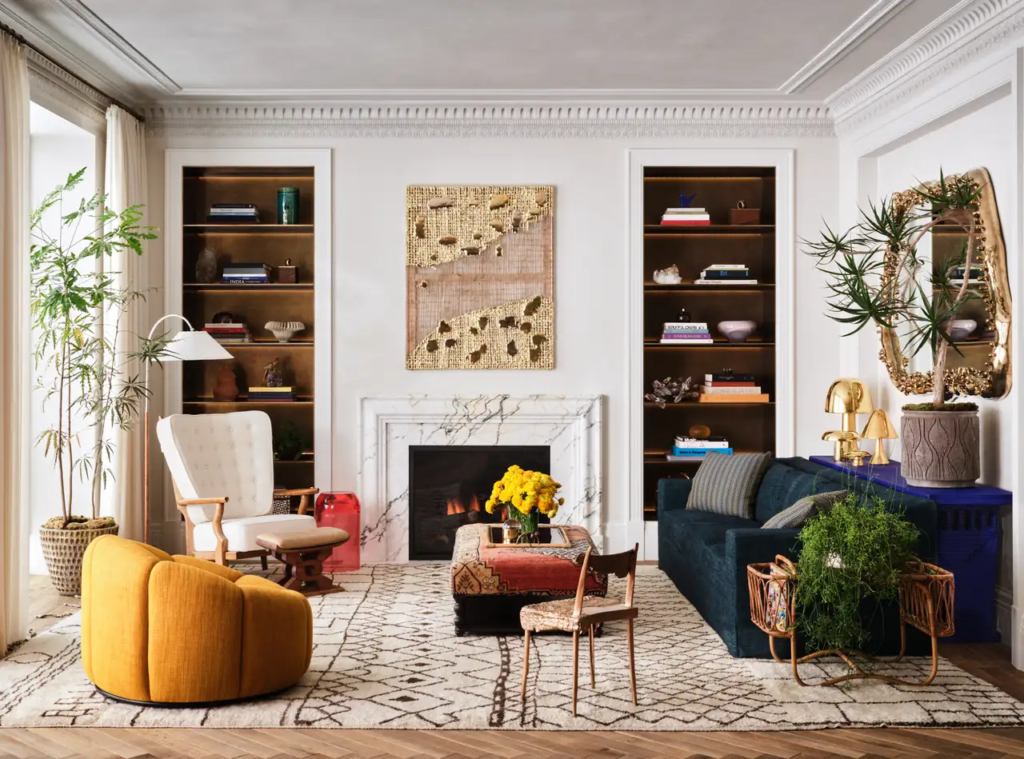
Mixing vintage and modern decor is one of the easiest ways to make a home feel personal instead of like a showroom floor. A room furnished entirely from one retailer’s current catalog can look polished, but it often lacks character. Blending in an inherited dresser, a thrifted armchair, or a flea-market mirror alongside newer pieces gives a space history and warmth that all-new furniture can’t replicate on its own.
The trick is knowing how to combine vintage and modern decor without the result looking accidental or mismatched. If you’re starting from scratch, our furniture buying guide covers the basics of measuring and budgeting before you shop — this guide picks up from there with style-specific advice.
Why Vintage and Modern Decor Works So Well Together
Contrast is what makes vintage and modern decor pairings feel intentional rather than random. A clean-lined modern sofa next to a carved antique side table draws attention to both pieces instead of letting either blend into the background. Interior designers often use this approach specifically because an all-modern or all-antique room can feel flat, while a mix creates visual interest and a sense that the room was assembled over time rather than bought in a single trip.
1. Anchor the Room With One Era
Rather than splitting a room evenly between old and new, choose one style to anchor the space — usually modern, since contemporary furniture tends to have simpler lines that are easier to build around. From there, layer in one or two standout vintage pieces, like a mid-century credenza or an antique mirror, as focal points. This keeps vintage and modern decor from feeling like two competing rooms crammed into one.
2. Repeat a Material or Color Across Eras
The fastest way to unify vintage and modern decor is to repeat a material, finish, or color between old and new pieces. A brass lamp from a vintage shop can echo brass hardware on a modern console table. A worn leather armchair can pick up the tan tones in a newer rug. According to Architectural Digest’s guide to mixing furniture styles, repetition of even a single element — texture, color, or finish — is what makes eclectic rooms read as cohesive instead of cluttered.
3. Balance Scale and Visual Weight
Vintage furniture, especially from the mid-century or Victorian periods, often has more ornate detailing and heavier visual weight than minimalist modern pieces. Pair a bold antique piece with simpler surrounding furniture so the room doesn’t feel overloaded. If your vintage find is a statement piece — an ornate cabinet or a carved wooden bench — let the modern furniture around it stay understated.
4. Use Modern Pieces for Function, Vintage for Character
A practical rule many designers follow: let newer furniture handle comfort and daily function — sofas, mattresses, dining chairs — since modern manufacturing generally offers better ergonomics and durability for pieces used constantly. Save vintage and modern decor mixing for accent pieces: side tables, lighting, mirrors, and decorative storage, where character matters more than daily wear resistance.
5. Don’t Overlook Lighting
Lighting fixtures are one of the easiest ways to introduce vintage character into an otherwise modern room, or vice versa. A vintage brass pendant over a sleek dining table, or a modern arc floor lamp beside an antique reading chair, adds contrast without requiring a full furniture overhaul. Because lighting is easier to swap out than large furniture, it’s a low-commitment way to experiment with vintage and modern decor before investing in bigger pieces.
6. Shop With a Plan, Not Just Instinct
It’s tempting to buy any vintage piece that catches your eye, but a plan helps avoid a cluttered result:
- Know your room’s anchor style before shopping secondhand
- Set a rough limit on how many vintage statement pieces one room can hold (usually one to three, depending on room size)
- Measure vintage furniture carefully, since older pieces often have different proportions than modern furniture built for today’s homes
- If you’re outfitting a smaller room, pair these ideas with our small space furniture tips so scale stays in check
Applying the Mix Room by Room
Living room: Pair a streamlined modern sectional with a single vintage coffee table or an antique rug. Keep wall art and lighting split between eras so neither style dominates the room visually.
Dining room: A modern dining table with vintage dining chairs (or the reverse — a vintage table with modern chairs) is one of the most popular and reliable combinations, since the contrast happens at eye level where it’s most noticeable.
Bedroom: An antique dresser or vanity paired with a simple modern bed frame keeps the room feeling calm rather than busy, since bedrooms generally benefit from fewer competing focal points than living areas.
Entryway: Small entry spaces are a low-risk place to experiment — a vintage mirror or console table makes a strong first impression without committing an entire room to the look.
How to Find Vintage Pieces Worth Buying
Not every secondhand find is worth bringing home. When shopping estate sales, thrift stores, or online marketplaces for vintage and modern decor projects, check for:
- Solid construction. Older furniture, especially pre-1980s pieces, was often built with solid wood rather than particleboard, which is part of why it holds up well decades later.
- Structural stability. Sit in chairs, open drawers, and check for wobbling before buying, since repairs can add unexpected cost.
- Reasonable restoration needs. A little sanding or refinishing is manageable; broken joints or water damage often aren’t worth the investment unless the piece has real sentimental or resale value.
Common Vintage and Modern Decor Mistakes
- Splitting a room 50/50 between styles instead of choosing one anchor
- Mixing too many bold vintage pieces in one room, creating visual competition
- Ignoring material or color repetition, which leaves the mix feeling disconnected
- Buying vintage furniture without checking structural condition, especially upholstered pieces
- Using only new or only old lighting, missing an easy opportunity to blend eras
Final Thoughts
Successful vintage and modern decor isn’t about matching everything perfectly — it’s about creating enough contrast to feel intentional while repeating small details that tie the room together. Anchor your space in one era, use vintage finds as characterful accents, and repeat materials or colors to connect old and new. Done well, vintage and modern decor gives a home a sense of history that furniture bought all at once simply can’t offer.
