
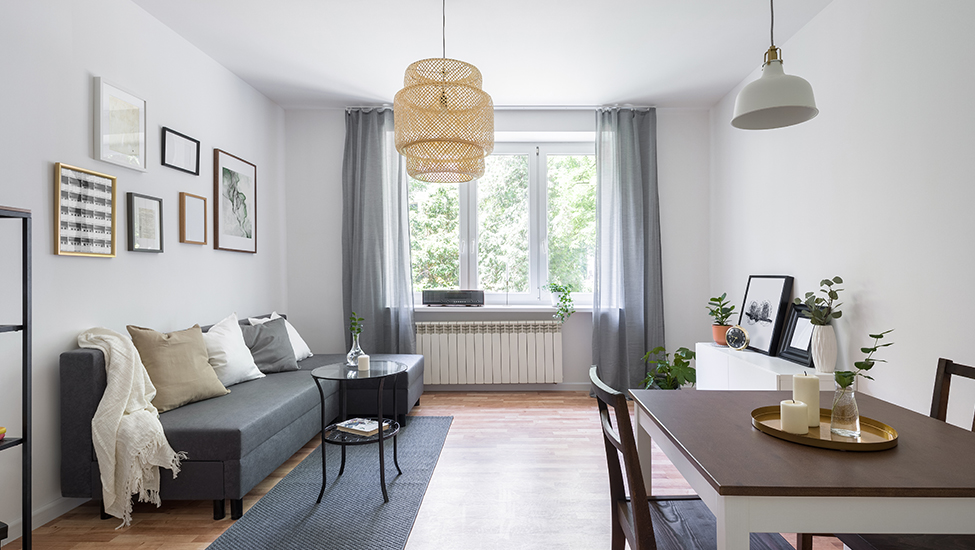
This furniture buying guide is for anyone who has stood in a showroom staring at ten sofas that all look “fine” and had no idea which one to actually buy. Furniture shopping is part budgeting, part measuring, and part figuring out what you’ll still like in five years. Following a solid furniture buying guide before you shop saves you money, prevents buyer’s remorse, and helps your home feel more put together from day one.
Whether you’re furnishing a first apartment, upgrading a family home, or replacing a worn-out couch, the same core principles apply: measure carefully, prioritize quality where it counts, and buy pieces that match how you actually live. Below is a complete furniture buying guide covering everything from measuring your space to choosing where to shop.
Why You Need a Furniture Buying Guide Before You Shop
Furniture is one of the biggest investments you’ll make in your home after major appliances and renovations. A good sofa or dining table can last a decade or more, while a poorly chosen piece can end up donated or sold within a year. That’s exactly why a proper furniture buying guide matters — it forces you to plan before you spend, rather than shopping on impulse and regretting it later.
Step 1: Measure Your Space Before You Shop
This is the step most people skip in any furniture buying guide, and it’s the one that causes the most regret. Before you fall in love with anything online or in-store, grab a tape measure and note:
- Room dimensions, including ceiling height for tall pieces like bookshelves or armoires
- Doorways, hallways, and stairwells the furniture needs to pass through to reach its final spot
- Existing furniture placement so you know how much clearance you need for walking paths (aim for at least 30 inches for main walkways, per this space-planning overview from HGTV)
- Windows, outlets, and vents that shouldn’t be blocked
Many retailers offer room-planning tools, and a roll of painter’s tape on the floor is a low-tech but effective way to visualize how a new sectional or dining table will actually sit in the room.
Step 2: Set a Realistic Budget
Furniture budgets spiral quickly once you start browsing, so it helps to set spending priorities before you shop. A useful approach used in most furniture buying guide checklists is to divide your list into three categories:
- Investment pieces — items used daily and expected to last years, like a sofa, mattress, or dining table. Worth spending more on for durability and comfort.
- Mid-range pieces — dressers, bookshelves, and coffee tables that see regular use but have more flexibility in price and material.
- Accent and trend pieces — decorative chairs, side tables, or statement lighting where it’s fine to choose budget-friendly options you might swap out later.
This tiered approach helps you avoid overspending on pieces that don’t need it, while leaving room to splurge where quality genuinely matters.
Step 3: Understand Furniture Materials
Material quality has a huge impact on how long furniture lasts and how it looks over time. This is a section every furniture buying guide should cover in detail.
Wood Furniture
- Solid wood (oak, maple, walnut, teak) is the most durable option and can be refinished or repaired over decades.
- Engineered wood (plywood, MDF, particleboard) is more affordable and can still be sturdy, especially plywood, though it’s more vulnerable to moisture.
- Veneer furniture uses a thin layer of real wood over engineered wood. It looks beautiful but can chip or peel if poorly made. Consumer Reports has a helpful breakdown of wood furniture quality worth reading before a big purchase.
Upholstery
- Fabric type matters as much as color. Performance fabrics, microfiber, and tightly woven cotton blends resist stains and wear better than loosely woven materials.
- Check the rub count (double rubs) when comparing sofa fabrics — anything above 15,000 suits regular household use.
- Leather costs more but is extremely durable and easy to clean, making it a strong choice for pet owners and families with kids.
Metal and Frame Construction
For sofas and chairs, the frame matters more than the fabric on top. Kiln-dried hardwood frames are the gold standard because they resist warping. For metal furniture, look for welded joints rather than screwed or bolted ones, which loosen over time.
Step 4: Prioritize Comfort and Function
It’s easy to get swept up in how furniture looks in photos, but comfort and daily usability matter just as much.
- Sit before you buy, if possible. Cushion firmness, seat depth, and back support vary enormously between brands.
- Think about maintenance. Light-colored fabrics and glass tabletops look elegant but require more upkeep.
- Consider modularity. Sectional sofas, extendable dining tables, and stackable chairs offer flexibility as your space needs change.
- Test drawers and doors. Smooth-gliding drawers and soft-close hinges make a big difference in daily use.
Step 5: Match Furniture to Your Home’s Style
You don’t need a strict design theme for your home to feel cohesive, but a few guiding principles help.
- Stick to a consistent undertone. Warm wood tones pair well with other warm tones, while cool grays and blacks pair well together.
- Repeat at least one element across rooms — a metal finish, a wood tone, or a color — to create visual flow.
- Balance scale. A large sectional in a small living room, or a tiny accent chair in a spacious den, throws off a room’s proportions.
- Layer old and new. Mixing a vintage or secondhand piece with newer furniture often creates a more personal, less “showroom” look. If you’re curious about mixing eras, see our guide to blending vintage and modern decor for more ideas.
Step 6: Decide Where to Buy
There are more furniture-buying options today than ever, and each comes with trade-offs.
- Big-box and online retailers offer convenience and competitive pricing, but quality varies widely between product lines.
- Local furniture stores often provide better in-person quality checks and personalized service, sometimes at a higher price point.
- Secondhand and vintage sources can offer solid wood or well-built pieces at a fraction of retail cost.
- Custom or made-to-order furniture is pricier and slower to arrive but lets you choose exact dimensions and finishes for awkward spaces.
Always read return policies and warranty terms before purchasing big-ticket items like sofas and mattresses. For a deeper dive into warranty language, the Federal Trade Commission’s guide to furniture shopping is a solid outside resource.
Common Furniture Buying Mistakes to Avoid
- Buying too small or too large because you skipped measuring the space and doorways
- Choosing trend-driven pieces for investment items like sofas, which are expensive to replace often
- Ignoring fabric or material durability in households with kids, pets, or heavy daily use
- Ordering without checking assembly requirements for large pieces
- Overlooking delivery logistics, including whether the item fits through your entryway or up a stairwell
For more room-specific advice, check out our related post on choosing furniture for small spaces.
Final Thoughts on This Furniture Buying Guide
The best furniture purchases come from a mix of practical planning and personal taste. Measure your space, set a tiered budget, understand what materials actually hold up over time, and choose pieces that suit how you really live — not just how a showroom photo looks. Keep this furniture buying guide handy the next time you shop, and you’ll end up with pieces that fit your home now and still feel right years down the road.
