
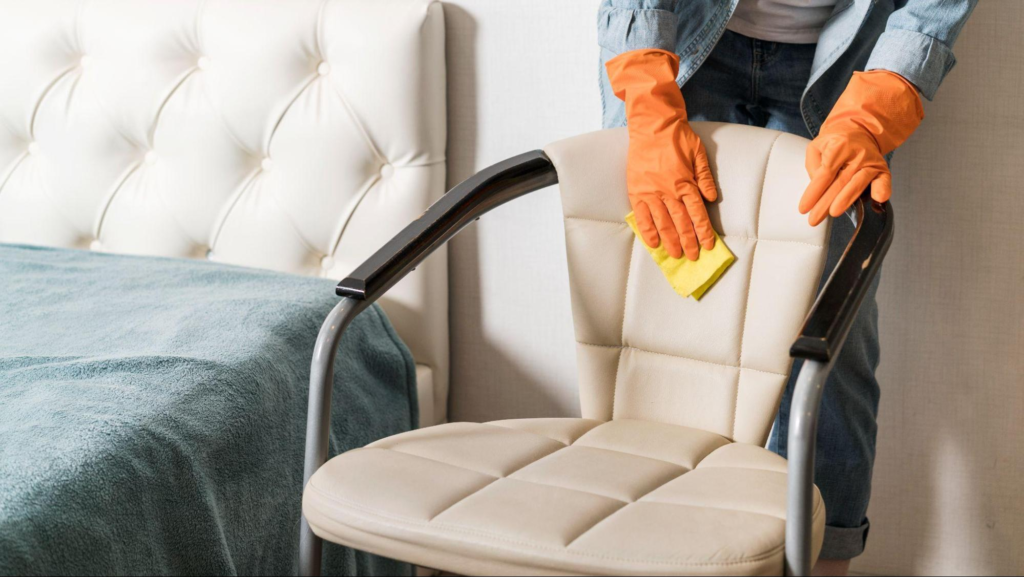
Good furniture care tips can add years, sometimes decades, to a piece’s life — no replacement purchase required. Furniture is one of the more expensive categories of home spending, so protecting that investment with a little routine care pays off far more than most people expect. Whether you followed our furniture buying guide to pick out solid, well-made pieces or you’re working with furniture you already own, these furniture care tips will help everything hold up better, look better, and last longer.
Why Furniture Care Tips Matter More Than People Think
Even well-built furniture wears down faster than it should without basic upkeep. Sunlight fades fabric and wood, moisture warps joints, and dust buildup can grind away at finishes over time. The good news is that most furniture care tips take just a few minutes a month and require no special tools or products — just consistency.
1. Keep Furniture Out of Direct Sunlight
Prolonged sun exposure is one of the biggest threats to both wood and fabric furniture. UV rays fade colors, dry out wood finishes, and can cause fabric to become brittle over time. If a sofa or wood dresser has to sit near a window, use curtains, blinds, or UV-filtering window film to reduce exposure during peak sunlight hours.
2. Dust and Clean Regularly
Dust might seem harmless, but it acts like fine sandpaper on wood finishes and upholstery fibers over time. A soft microfiber cloth for wood surfaces and a vacuum with an upholstery attachment for fabric pieces should be part of a regular cleaning routine — ideally weekly for high-traffic pieces. The American Cleaning Institute recommends dry-dusting wood before applying any polish, since dust trapped under polish can scratch the finish.
3. Control Humidity in Your Home
Wood furniture expands and contracts with humidity changes, which over time can cause cracking, warping, or joints coming loose. Keeping indoor humidity between roughly 40–50% helps wood furniture stay stable. A humidifier in dry winter months and a dehumidifier in humid summer months can make a noticeable difference, especially for solid wood pieces that are more sensitive to moisture swings than engineered wood.
4. Use Coasters, Placemats, and Felt Pads
Small habits protect furniture surfaces from everyday damage:
- Coasters prevent water rings on wood tabletops
- Placemats or table runners reduce scratches from plates and utensils
- Felt pads under lamps, vases, and decor prevent scuffing on wood and glass surfaces
- Furniture leg pads under chairs and tables protect flooring and reduce stress on furniture joints when pieces are moved
5. Rotate and Flip Cushions
For sofas and upholstered chairs, cushions wear unevenly if they’re always sat on the same way. Rotating and flipping seat cushions every few weeks distributes wear more evenly, which is one of the simplest furniture care tips for extending the life of a sofa’s cushioning and fabric.
6. Tighten Loose Joints Early
Wobbly chairs and tables usually start with one loose screw or joint. Left unaddressed, that small wobble puts uneven stress on the rest of the frame and can lead to bigger structural problems. Checking and tightening screws, bolts, and joints every few months — especially on dining chairs, which see frequent movement — is a quick way to prevent bigger repairs later.
7. Clean Spills Immediately
Fabric and leather furniture both benefit from fast action when spills happen. Blot (don’t rub) liquid spills with a clean cloth, and check manufacturer care labels for the correct cleaning method — most upholstery is labeled with a code (W, S, WS, or X) indicating whether it should be cleaned with water, solvent, both, or vacuum-only. Using the wrong cleaning method is one of the most common ways people accidentally damage upholstery while trying to fix a spill.
8. Condition Leather and Wood Periodically
Leather furniture benefits from an occasional leather conditioner to prevent cracking and drying out, especially in homes with dry indoor air. Wood furniture similarly benefits from periodic polishing or oiling, depending on the finish, to keep the surface from drying and cracking. Doing this every few months, rather than only when damage is visible, keeps both materials in better long-term condition.
9. Store and Move Furniture Carefully
When moving furniture — whether across a room or to a new home — lift rather than drag pieces to avoid stressing legs and joints. For long-term storage, keep furniture covered, off damp floors, and away from direct sunlight or extreme temperature swings, which can warp wood and degrade fabric even when the piece isn’t in daily use.
Furniture Care Tips by Material
Wood: Dust regularly, avoid direct sunlight, use coasters, and polish or oil occasionally depending on the finish.
Upholstery: Vacuum regularly, rotate cushions, address spills immediately, and check the manufacturer’s cleaning code before using any product.
Leather: Wipe down with a slightly damp cloth, condition periodically, and keep away from direct heat sources like radiators or fireplaces.
Metal: Wipe down to prevent dust buildup, check for rust in humid climates, and tighten any loose joints or hardware periodically.
If you’re furnishing a smaller home, pairing these furniture care tips with our small space furniture tips helps you protect pieces that are working extra hard in multi-purpose rooms. And if part of your collection mixes eras, our guide to vintage and modern decor covers a few care considerations specific to older, secondhand pieces.
Common Furniture Care Mistakes
- Using the wrong cleaning product for a fabric’s care code
- Ignoring small wobbles or loose joints until they become bigger repairs
- Leaving furniture in direct sunlight for extended periods
- Skipping regular dusting, which allows buildup to damage finishes over time
- Dragging heavy furniture across floors instead of lifting it
Final Thoughts
None of these furniture care tips require much time or money, but the payoff compounds significantly over the years. A little dusting, the right cleaning products, humidity control, and quick attention to small issues like loose joints or spills can add years of life to furniture that would otherwise wear out far sooner. Treat these furniture care tips as a simple monthly habit, and your pieces — new or vintage — will hold up far better over time.
