
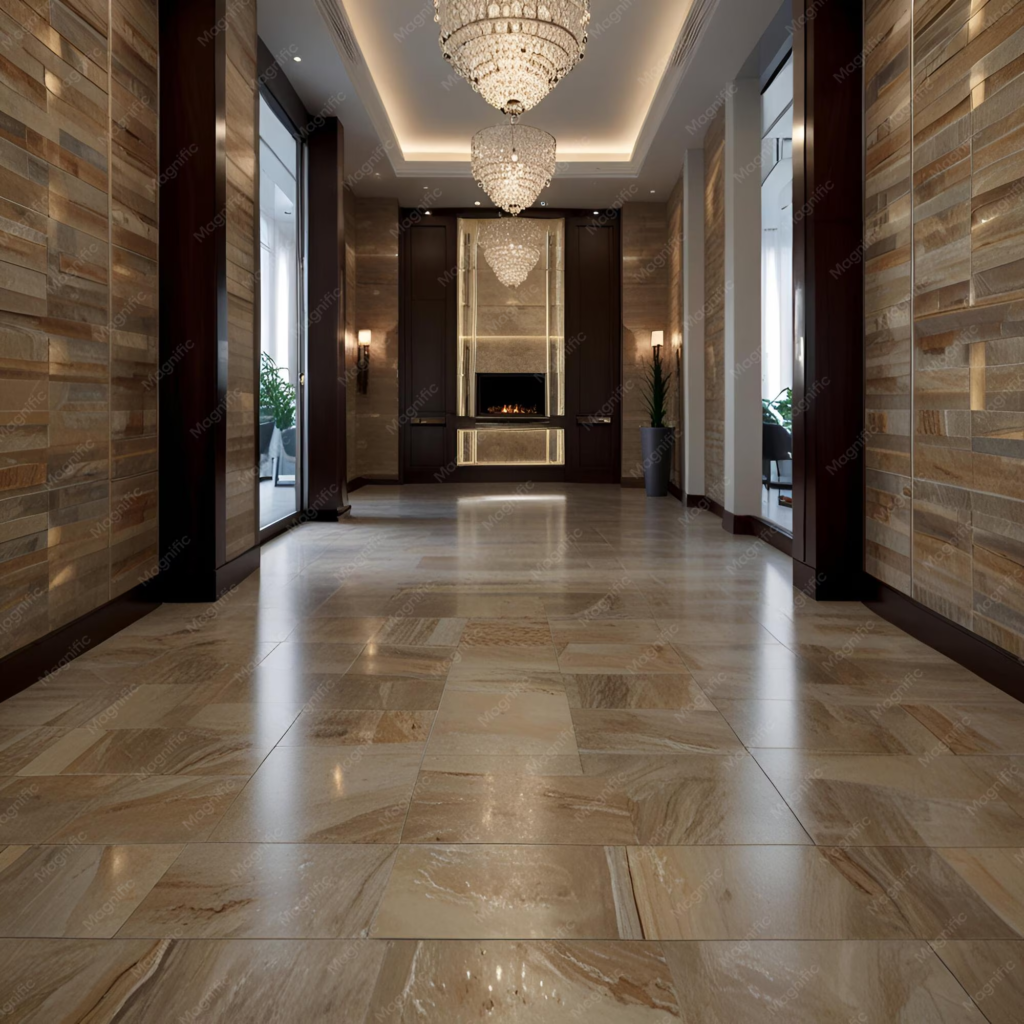
Picking the best tiles for your house isn’t a one-size-fits-all decision. A tile that works beautifully in a bathroom can be the wrong choice for a kitchen, and what looks stunning in a living room might be impractical outdoors. Every room has different needs for moisture resistance, foot traffic, and style.
In this guide, we’ll walk through the best tiles for every room of the house, the key differences between popular tile materials, a size guide, and mistakes to avoid — so you can choose with confidence in 2026.
Suggested featured image: a modern home interior with tiled flooring throughout (alt text: “best tiles for your house”)
Table of Contents
- Why Tile Choice Changes From Room to Room
- What to Consider Before You Buy
- Best Tiles Room by Room
- Choosing Tile Colors and Grout
- Popular Tile Materials Compared
- Tile Size Guide
- Common Mistakes to Avoid
- Frequently Asked Questions
- Final Thoughts
Why Tile Choice Changes From Room to Room
Every room in a house places different demands on flooring and wall surfaces. A kitchen deals with spills and grease, a bathroom deals with constant moisture, and a living room needs to prioritize comfort and style over heavy-duty durability.
That’s why choosing the right material, finish, and size for each room matters more than picking one tile for the whole home. According to The Spruce, porcelain and large-format tiles are among the leading flooring trends for 2026, prized for their durability and their ability to make rooms feel more spacious.
What to Consider Before You Buy
Before choosing tiles for any room, keep these factors in mind.
1. Water and Moisture Exposure
Bathrooms, kitchens, and laundry rooms need water-resistant tiles like porcelain or ceramic, while living rooms and bedrooms have more flexibility, including natural stone or wood-look options.
2. Foot Traffic and Durability
High-traffic areas like hallways and entryways need harder, more scratch-resistant tiles, while lower-traffic rooms like bedrooms can use softer or more decorative options.
3. Slip Resistance
Bathrooms and outdoor spaces should use tiles with a textured or matte finish to reduce slipping, especially when wet.
4. Maintenance Level
Natural stone tiles often need periodic sealing, while porcelain and ceramic are largely maintenance-free — an important factor if you want low-upkeep flooring.
Best Tiles Room by Room
1. Living Room: Large-Format Porcelain Tiles
Large porcelain tiles create a seamless, expansive look with fewer grout lines, making living rooms feel bigger and more modern. They’re also durable enough to handle daily furniture and foot traffic.
Best for: Open-plan living and dining areas.
2. Kitchen: Ceramic or Porcelain Tiles
Kitchens need tiles that resist grease, stains, and spills. Ceramic and porcelain both clean easily and hold up well to dropped pots and daily wear, making them the most practical choice for kitchen floors and backsplashes.
Best for: Kitchen floors, backsplashes, and countertops.
3. Bathroom: Textured Porcelain or Natural Stone
A bathroom’s constant exposure to water calls for tiles with strong slip resistance. Textured porcelain or honed natural stone (like slate or travertine) offers both grip and a spa-like look.
Best for: Bathroom floors and shower surrounds.
4. Bedroom: Wood-Look Porcelain Tiles
Wood-look porcelain tiles bring the warmth of hardwood flooring with the durability and easy maintenance of tile, making bedrooms feel cozy without the upkeep real wood requires.
Best for: Bedrooms and home offices.
5. Hallways and Entryways: Polished Porcelain
Entryways deal with the most foot traffic and outdoor debris in the house, so hard-wearing, easy-to-clean polished porcelain is an ideal choice for these high-use zones.
Best for: Entry halls, mudrooms, and corridors.
6. Home Office: Matte Ceramic Tiles
A matte finish reduces glare from overhead lighting and computer screens, making it a practical, comfortable choice for a home office floor.
Best for: Studies, home offices, and reading nooks.
7. Balcony or Outdoor Patio: Anti-Slip Textured Tiles
Outdoor tiles need to withstand rain, temperature swings, and bare feet. Textured, frost-resistant porcelain or natural stone designed for exterior use is essential for safety and longevity.
Best for: Balconies, patios, and outdoor walkways.
8. Laundry Room: Water-Resistant Ceramic Tiles
Laundry rooms deal with water leaks and constant humidity, so a water-resistant ceramic tile with a slightly textured finish keeps the floor both safe and easy to clean.
Best for: Laundry rooms and utility spaces.
Suggested image: a bathroom with textured porcelain flooring and a matching shower surround (alt text: “best tiles for bathroom floors in a house”)
Choosing Tile Colors and Grout
Color and grout choice affect a room’s look just as much as the tile material itself. Light-colored tiles, such as soft grays, whites, or beiges, make rooms feel larger and brighter, which is especially useful in smaller homes or rooms with limited natural light. Darker tiles can add warmth and drama but show dust and water spots more easily, so they suit lower-traffic spaces better than busy kitchens or entryways.
Grout color matters too. Matching grout closely to the tile color creates a seamless, uninterrupted look, while a contrasting grout highlights the tile pattern and grid lines. Lighter grout is easier to find in a coordinated shade but shows dirt faster, so many homeowners choose a mid-tone gray grout as a practical middle ground that hides everyday grime without clashing with the tile itself.
Popular Tile Materials Compared
- Porcelain: Extremely durable, water-resistant, and low-maintenance — suitable for almost every room, including outdoor spaces.
- Ceramic: More affordable than porcelain, easy to clean, and ideal for kitchens and bathrooms, though slightly less durable for heavy traffic.
- Natural stone (marble, travertine, slate): Offers a unique, high-end look but typically requires sealing and more regular maintenance.
- Vitrified tiles: Dense and non-porous, making them highly resistant to stains and water absorption, popular for living rooms and hallways.
Tile Size Guide
| Room | Recommended Tile Size |
|---|---|
| Living Room | 600 x 600 mm or larger |
| Kitchen Floor | 300 x 300 mm to 600 x 600 mm |
| Bathroom Floor | 300 x 300 mm to 400 x 400 mm |
| Bedroom | 600 x 600 mm |
| Balcony/Outdoor | 300 x 300 mm to 400 x 400 mm (textured) |
Larger tiles generally suit bigger rooms and create a more seamless look, while smaller tiles offer better grip and are easier to work with in tight or curved spaces like bathrooms.
Common Mistakes to Avoid
- Using the same tile everywhere — a single tile type rarely suits both wet and dry areas equally well.
- Ignoring slip resistance in wet areas — glossy, polished tiles can be dangerously slippery in bathrooms and outdoor spaces.
- Choosing tile size without considering room size — very large tiles in a small bathroom can look awkward and require excessive cutting.
- Skipping the maintenance conversation — natural stone looks beautiful but demands more upkeep than many buyers expect.
- Overlooking grout color and width — grout lines affect the overall look and cleaning effort as much as the tile itself.
Frequently Asked Questions
What are the best tiles for the whole house? Porcelain tiles are generally considered the best all-around choice since they’re durable, water-resistant, and available in styles suited to almost every room, from living rooms to bathrooms.
Are large tiles or small tiles better for a house? Large tiles work well in bigger rooms like living rooms and bedrooms since they create a seamless look, while smaller tiles are better suited to bathrooms and other spaces with more corners and fixtures to work around.
Do I need different tiles for indoor and outdoor areas? Yes. Outdoor tiles need to be frost-resistant and slip-resistant to handle weather exposure, while indoor tiles can prioritize style and comfort underfoot.
Final Thoughts
There’s no single tile that works perfectly in every room, but understanding each space’s needs makes choosing the best tiles for your house far easier. Porcelain remains the most versatile option overall, while natural stone and ceramic each have their place depending on the room and your maintenance preferences.
Start by listing each room’s biggest demands — moisture, traffic, or style — and match the tile material and size accordingly. With the right choices in place, your whole house can feel cohesive, durable, and beautifully finished from room to room.
Which room are you tiling next? Let us know in the comments — and check out our related guide on space-saving storage furniture for more home improvement ideas.
