
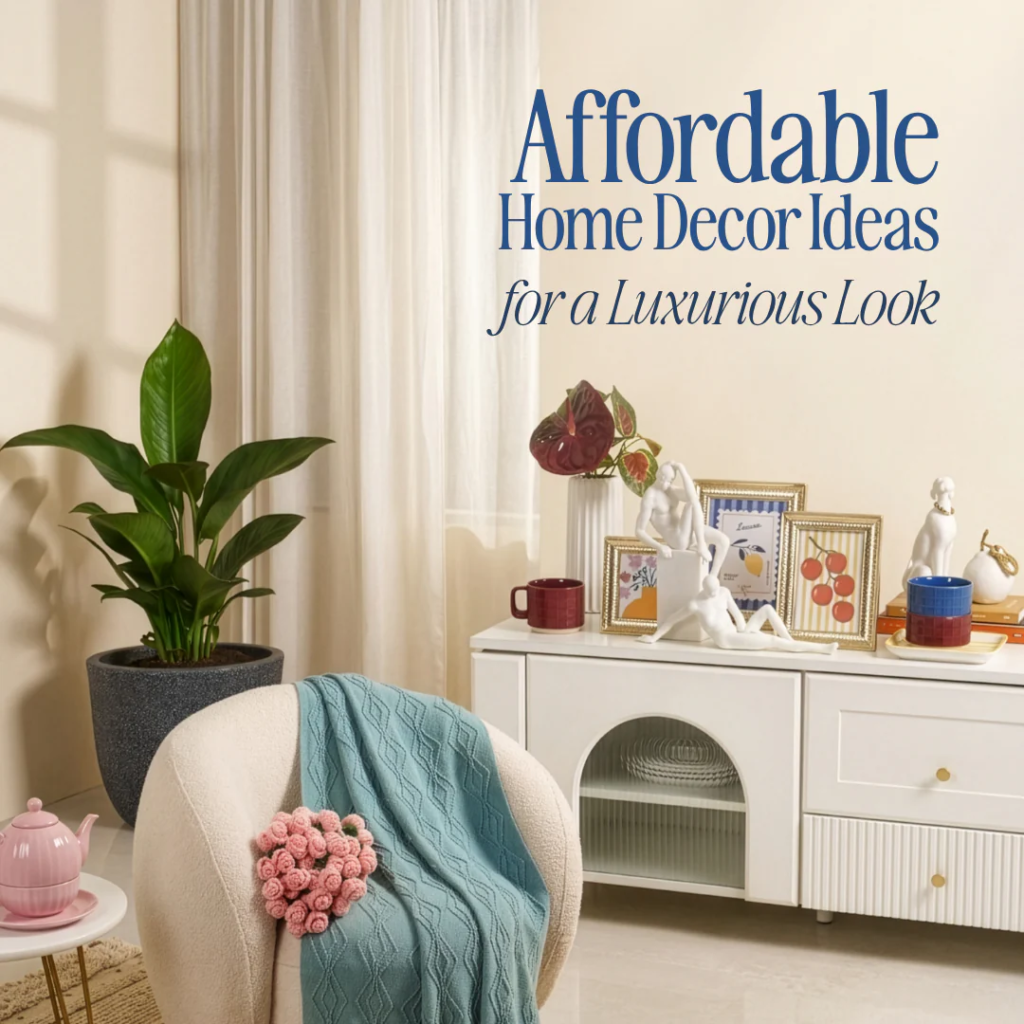
Decorating a home doesn’t have to come with a designer price tag. With a bit of creativity, strategic planning, and smart shopping habits, you can create a beautiful, stylish home on almost any budget. The key is knowing where to splurge, where to save, and how to make the most of what you already have.
This guide is packed with practical, budget-friendly interior design tips to help you transform your space without breaking the bank.
Why Budget-Friendly Design Doesn’t Mean Cheap Design
There’s a common misconception that decorating on a budget means settling for lower-quality results. In reality, budget-conscious design is about being intentional — prioritizing the pieces that matter most, avoiding impulse purchases, and finding creative alternatives to expensive trends. Many of the most stylish homes are built through thoughtful choices over time rather than one expensive shopping trip.
Start with a Plan, Not a Purchase
Set a Realistic Budget
Before buying anything, determine how much you can realistically spend, and break it down by room or category. This prevents overspending on one area while leaving others neglected.
Prioritize High-Impact Rooms First
If your budget is limited, focus first on spaces you use and see most often, such as the living room, bedroom, and entryway. Rooms like guest bathrooms or rarely used spaces can wait.
Make a Wish List
Instead of buying items as you see them, keep a running list of pieces you want. This helps you avoid impulse purchases and gives you time to find better deals or more affordable alternatives.
Budget-Friendly Shopping Strategies
Shop Secondhand and Thrift Stores
Thrift stores, consignment shops, and estate sales are treasure troves for well-made furniture at a fraction of retail prices. Many vintage pieces also offer better construction quality than modern budget furniture.
Explore Online Marketplaces
Online marketplaces and local buy-and-sell groups are excellent sources for gently used furniture, often listed well below retail price. Search regularly, as good pieces tend to sell quickly.
Time Your Purchases Around Sales
Major furniture and home goods sales typically occur around Presidents’ Day, Memorial Day, Labor Day, and Black Friday. Planning bigger purchases around these dates can lead to substantial savings.
Buy Floor Models and Open-Box Items
Many retailers offer discounts on floor models or open-box returns that are otherwise in excellent condition. Always ask about these options in-store, as they’re not always advertised.
Sign Up for Retailer Newsletters
Many home decor retailers offer first-time purchase discounts or early access to sales for email subscribers, which can add up to meaningful savings over time.
Affordable Ways to Upgrade Every Room
Living Room
- Rearrange existing furniture before buying anything new — sometimes a fresh layout is all a room needs.
- Add new throw pillow covers instead of replacing an entire sofa to instantly refresh the color scheme.
- Introduce a statement rug to anchor the room, even if other furniture stays the same.
- Swap out lampshades for an easy, affordable lighting refresh.
Bedroom
- Invest in new bedding rather than a new bed frame — a duvet cover and pillows can transform the entire look of a room.
- Add removable wallpaper to a single accent wall for a bold, budget-friendly statement.
- Use command-strip hooks and shelves to add storage and decor without damaging walls or paying for built-ins.
Kitchen
- Update cabinet hardware for one of the most affordable, high-impact kitchen refreshes available.
- Add a peel-and-stick backsplash to mimic the look of tile without the installation cost.
- Declutter countertops to instantly make the space feel more organized and expensive-looking.
Bathroom
- Replace towels and bath mats with coordinated, higher-quality options for an instant spa-like upgrade.
- Add a new shower curtain to refresh the room’s color palette affordably.
- Swap outdated fixtures, like a faucet or showerhead, for budget-friendly modern alternatives.
The Power of Paint
Paint remains one of the most cost-effective ways to transform any room. A few ideas to maximize impact:
- Paint an accent wall instead of the entire room to save on materials while still making a bold statement.
- Refresh furniture with paint — an old dresser, side table, or bookshelf can look brand new with a coat of paint and updated hardware.
- Paint trim and doors in a fresh white or contrasting color to make a room feel cleaner and more polished.
- Try a durable, washable finish in high-traffic areas like kitchens and hallways to extend the life of your paint job.
DIY Projects That Save Money
Build Your Own Shelving
Simple floating shelves can be built with basic materials and hardware, offering functional storage at a fraction of the cost of pre-made units.
Reupholster Existing Furniture
Reupholstering a chair or ottoman with new fabric is often significantly cheaper than buying new furniture, and it allows for full customization.
Make Your Own Art
Gallery walls don’t require expensive artwork. Framed fabric swatches, printable art, personal photography, or even children’s artwork can create a personalized, budget-friendly display.
Repurpose What You Already Own
Before buying new decor, look around your home for items that could be repurposed — an old ladder as a towel rack, mason jars as vases, or a vintage crate as a side table.
Where to Splurge vs. Where to Save
Knowing where to allocate your budget makes a significant difference in both the look and longevity of your home.
Worth the Splurge
- Sofas and mattresses — These see daily use and are expensive to replace frequently, so investing in quality pays off long-term.
- Dining tables — A well-built dining table can last decades and often becomes a centerpiece for family gatherings.
- Window treatments — Quality curtains or blinds improve both function and aesthetics significantly.
Where You Can Save
- Decorative accents — Items like vases, picture frames, and seasonal decor can be swapped often, so it’s fine to buy budget-friendly versions.
- Trend-based furniture — For pieces that follow short-lived trends, more affordable options make sense since they may be replaced sooner.
- Kids’ room furniture — Since children’s needs and tastes change quickly, budget-friendly furniture is often the smarter choice here.
Smart Ways to Stretch a Small Decorating Budget
Buy Fewer, Better Pieces
Instead of filling a room with several inexpensive items, save for one or two higher-quality pieces that will last and elevate the entire space.
Use a Cohesive Color Palette
Sticking to a consistent color scheme allows you to mix budget and higher-end pieces seamlessly, since the unifying colors make the room feel intentional rather than mismatched.
Layer in Textiles
Inexpensive additions like throw blankets, pillow covers, and rugs add warmth and texture without requiring a large investment.
Bring in Greenery
Plants are one of the most affordable ways to add life and color to a room. Even faux plants have become increasingly realistic and budget-friendly.
Common Budget Decorating Mistakes to Avoid
- Buying cheap versions of high-use furniture, which often need to be replaced sooner, costing more in the long run.
- Making impulse purchases without a plan, leading to mismatched or unnecessary items.
- Overlooking free or low-cost updates, like rearranging furniture or decluttering, before jumping to new purchases.
- Ignoring lighting, which can make even well-decorated rooms feel flat if overlooked.
- Chasing trends too closely, resulting in a home that quickly feels dated.
Final Thoughts
Creating a beautiful home on a budget is entirely achievable with the right approach. By planning ahead, prioritizing high-impact updates, shopping strategically, and knowing where to invest versus save, you can design a space that feels curated and comfortable without overspending. Remember that great design is built over time — start small, stay intentional, and let your home evolve at a pace that fits your budget and your life.
