
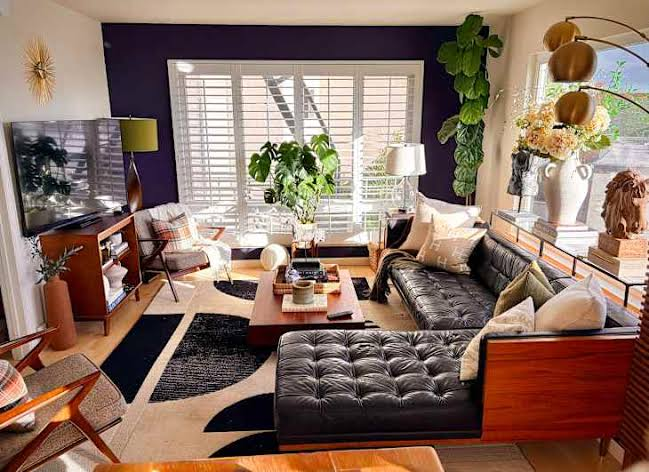
Great interior design isn’t about having an unlimited budget or a professional decorator on speed dial — it’s about understanding a few key principles and applying them thoughtfully throughout your home. Whether you’re starting from scratch or refreshing a space you’ve lived in for years, small, intentional changes can make a dramatic difference.
This guide covers practical, room-by-room home interior tips to help you create a space that feels cohesive, comfortable, and uniquely yours.
General Interior Design Principles
Before diving into specific rooms, it helps to understand a few foundational principles that apply to every space in your home.
Establish a Cohesive Color Palette
Choosing a consistent color palette throughout your home creates flow between rooms and prevents a disjointed feel. A good rule of thumb is the 60-30-10 rule: 60% of a room should be a dominant color (usually walls and large furniture), 30% a secondary color (upholstery, curtains, rugs), and 10% an accent color (decor, pillows, art).
Prioritize Lighting Layers
Good lighting design uses three layers: ambient (overall room lighting), task (focused lighting for specific activities), and accent (decorative lighting that highlights features). Relying on a single overhead light source often leaves rooms feeling flat and uninviting.
Balance Scale and Proportion
Furniture and decor should be proportionate to the size of the room. Oversized furniture can overwhelm a small space, while undersized pieces can make a large room feel empty and disconnected.
Create Visual Flow
Repeating colors, materials, or design elements throughout your home — such as matching metal finishes or consistent wood tones — helps rooms feel connected rather than randomly decorated.
Don’t Forget Negative Space
Not every wall needs art, and not every surface needs decor. Leaving intentional empty space, sometimes called “breathing room,” allows your best design choices to stand out.
Living Room Interior Tips
Anchor the Room with a Statement Piece
Every living room benefits from a focal point — whether it’s a fireplace, a piece of art, a bold accent wall, or a striking piece of furniture. Arrange seating around this focal point to create a natural gathering space.
Layer Textures for Depth
Mixing materials like a woven jute rug, a velvet throw pillow, and a leather armchair adds visual interest and warmth without needing extra color.
Use Rugs to Define Space
In open-concept living rooms, a well-placed rug can visually separate the seating area from a dining or entryway space. As a general guideline, all furniture legs should either fit entirely on the rug or have at least the front legs resting on it.
Float Furniture Away from Walls
Pushing all furniture against the walls can make a room feel disconnected. Floating a sofa or chairs slightly into the room creates a more intimate, conversational layout.
Bedroom Interior Tips
Choose a Calming Color Scheme
Since bedrooms are meant for rest, soft, muted tones like sage green, warm neutrals, or soft blues tend to create a more relaxing atmosphere than bold, high-energy colors.
Invest in Quality Bedding
Bedding is one of the most impactful — and often overlooked — elements of bedroom design. Layering a duvet, extra pillows, and a textured throw instantly elevates the look of any bed frame.
Add Nightstands with Adequate Lighting
Bedside lamps with warm, dimmable bulbs create a cozy atmosphere and provide practical task lighting for reading before bed.
Incorporate a Reading Nook or Bench
If space allows, a small bench or accent chair near a window adds function and a designer touch to any bedroom.
Kitchen Interior Tips
Balance Open and Closed Storage
A mix of open shelving and closed cabinetry keeps the kitchen functional while allowing space to display curated items like cookbooks, plants, or decorative dishware.
Add a Statement Backsplash
A bold tile backsplash is one of the most effective ways to inject personality into a kitchen without a full renovation.
Upgrade Cabinet Hardware
Swapping outdated cabinet knobs and pulls is one of the most affordable ways to modernize a kitchen instantly.
Incorporate Under-Cabinet Lighting
Under-cabinet lighting improves both functionality for food prep and ambiance in the evening, making the kitchen feel more polished.
Bathroom Interior Tips
Use Moisture-Resistant Materials
Since bathrooms deal with constant humidity, opt for water-resistant paint finishes, sealed wood, and mold-resistant textiles to keep the space looking fresh longer.
Add Greenery
Humidity-tolerant plants like pothos or ferns bring life and texture into an otherwise hard-surfaced room.
Upgrade Your Mirror
A well-chosen mirror — whether framed, arched, or oversized — can serve as a statement piece while making the bathroom feel larger and brighter.
Layer Your Lighting
Combine vanity lighting with a central fixture to avoid harsh shadows and create a more flattering, functional space.
Dining Room Interior Tips
Choose a Table That Fits the Space
Leave at least 36 inches of clearance around a dining table for comfortable movement and chair access.
Add a Statement Light Fixture
A pendant light or chandelier above the dining table instantly elevates the room and serves as a natural focal point.
Mix Chair Styles for Character
Pairing different chair styles — such as upholstered chairs at the ends with wooden chairs along the sides — adds visual interest without looking mismatched.
Home Office Interior Tips
Prioritize Natural Light
Position your desk near a window when possible, as natural light reduces eye strain and improves focus throughout the workday.
Invest in Ergonomic Furniture
A supportive chair and properly positioned desk aren’t just comfort upgrades — they directly impact posture and long-term health.
Add Personal Touches
Since home offices are often utilitarian by default, incorporating artwork, plants, or a favorite color can make the space feel more inspiring.
Small Space Interior Tips
Use Multi-Functional Furniture
Storage ottomans, extendable tables, and daybeds with built-in storage help small spaces work harder without feeling cramped.
Go Vertical
Tall bookshelves and wall-mounted storage draw the eye upward and make use of often-overlooked vertical space.
Choose Light, Reflective Colors
Light wall colors combined with mirrors help small rooms feel more open and airy.
Avoid Bulky Furniture
Furniture with exposed legs and lighter visual weight helps small rooms feel less crowded than solid, boxy pieces.
Budget-Friendly Interior Design Tips
Shop Secondhand and Vintage
Thrift stores, estate sales, and online marketplaces often have high-quality furniture and decor at a fraction of retail prices.
Repaint Instead of Replace
A fresh coat of paint on furniture, cabinets, or walls is one of the most cost-effective ways to transform a room.
Rearrange Before You Buy
Sometimes a fresh furniture layout is all a room needs. Try rearranging existing pieces before purchasing anything new.
Focus on High-Impact Areas First
If your budget is limited, prioritize entryways, living rooms, and primary bedrooms, since these spaces see the most daily use and visual attention.
Common Interior Design Mistakes to Avoid
- Ignoring scale and proportion, resulting in furniture that overwhelms or gets lost in a room.
- Relying on a single light source, which creates flat, uninviting spaces.
- Overdecorating every surface, leaving no visual breathing room.
- Choosing trends over timeless choices, especially for large investment pieces like sofas or dining tables.
- Neglecting a cohesive color story, resulting in rooms that feel disconnected from the rest of the home.
Final Thoughts
Thoughtful home interior design doesn’t require a complete renovation or an unlimited budget — it requires intention. By focusing on cohesive color palettes, layered lighting, appropriate scale, and small upgrades in high-impact areas, you can transform any room into a space that feels polished and personal. Start with one room at a time, apply these principles consistently, and your home will begin to feel more cohesive, comfortable, and truly yours.
