
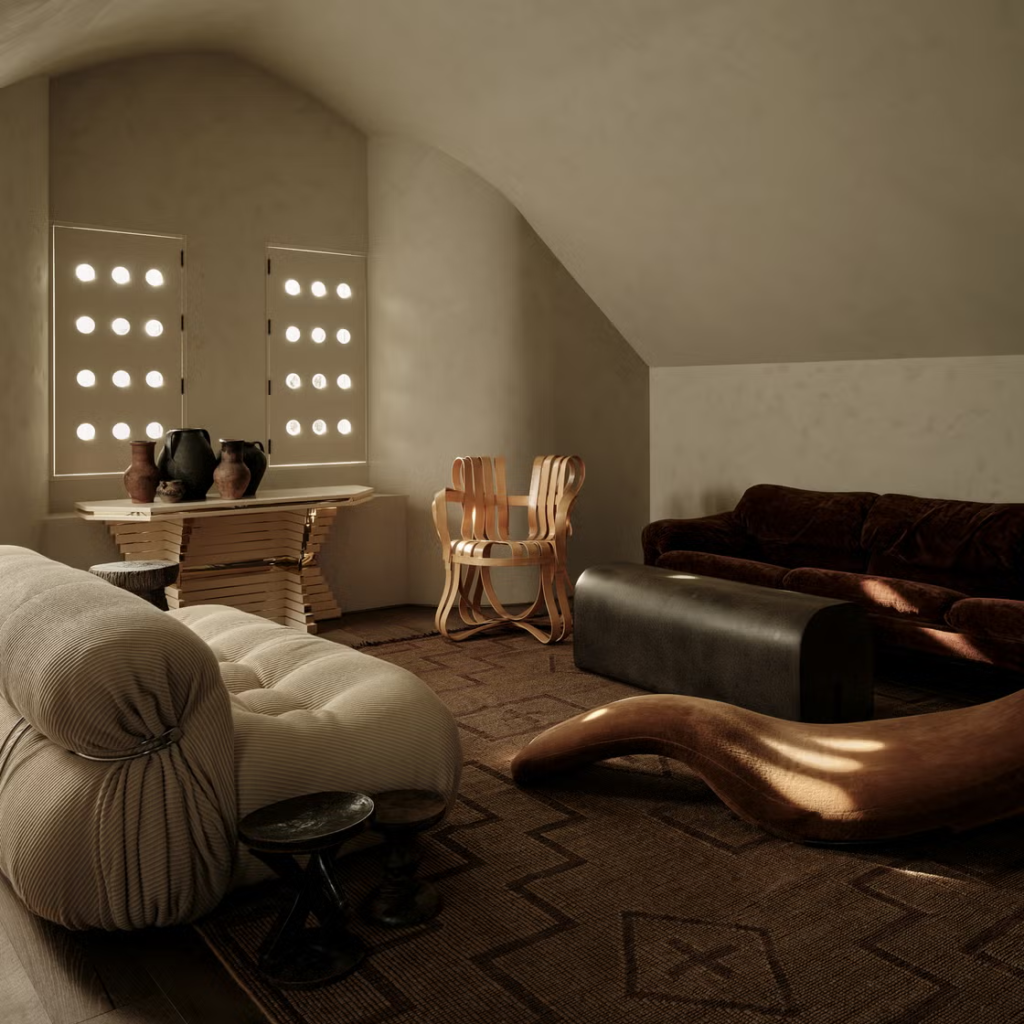
Why Furniture Trends Matter More Than Ever
Homes today serve multiple purposes — office, gym, entertainment hub, and sanctuary all in one. This shift has pushed furniture design toward pieces that are multifunctional, adaptable, and visually striking. Consumers are also more conscious of sustainability, durability, and where their furniture comes from. Understanding the latest trends helps you make smarter purchasing decisions, whether you’re furnishing a small apartment or redesigning an entire house.
1. Curved and Organic Shapes Are Taking Over
Sharp edges and rigid geometry are giving way to soft, rounded silhouettes. Curved sofas, oval coffee tables, and sculptural armchairs are dominating showrooms because they create a sense of flow and softness in a room. This organic-shape trend draws inspiration from nature and mid-century modern design, offering a timeless yet fresh look.
Why it works: Curved furniture is more forgiving in small or awkward spaces, softens the visual weight of a room, and photographs beautifully — a major reason it’s trending heavily on interior design platforms.
2. Sustainable and Eco-Friendly Materials
Sustainability has moved from a niche preference to a mainstream expectation. Furniture makers are increasingly using:
- Reclaimed and FSC-certified wood
- Recycled metal and plastic composites
- Organic cotton, linen, and hemp upholstery
- Low-VOC finishes and water-based adhesives
Brands that highlight their sourcing transparency and carbon footprint are winning over environmentally conscious buyers. If you’re shopping for new furniture, look for certifications like GREENGUARD or FSC to ensure you’re investing in genuinely sustainable pieces.
3. Multifunctional and Space-Saving Furniture
With urban living spaces shrinking, multifunctional furniture has become essential rather than optional. Popular examples include:
- Sofa beds with built-in storage
- Extendable dining tables for flexible entertaining
- Modular shelving units that adapt to any room size
- Ottomans that double as storage chests or extra seating
This trend is especially popular among renters and small-space dwellers who need furniture that works harder without sacrificing style.
4. Bold Color Palettes Replace Neutral-Only Interiors
For years, neutral tones like beige, grey, and white dominated furniture design. Now, homeowners are embracing rich, saturated colors such as:
- Deep emerald green
- Burnt orange and terracotta
- Warm chocolate brown
- Muted burgundy and plum
These colors add personality and warmth, especially when paired with natural materials like wood and rattan. Accent chairs and statement sofas in bold hues are becoming focal points rather than afterthoughts.
5. Natural and Textured Materials
Texture is having a major moment in furniture design. Rattan, cane, boucle fabric, and raw wood grains are being used to add depth and tactile interest to living spaces. Boucle in particular has surged in popularity for its cozy, cloud-like texture on chairs and sofas.
This trend ties closely into the broader “quiet luxury” movement — favoring understated elegance and quality materials over flashy branding or excessive ornamentation.
6. Smart Furniture Integration
Technology is quietly working its way into furniture design. New releases increasingly include:
- Built-in wireless charging pads on nightstands and coffee tables
- LED-integrated shelving and headboards
- Smart recliners with app-based controls
- Adjustable standing desks with memory presets
As more people work from home, tech-integrated furniture bridges the gap between functionality and modern convenience without looking clinical or overly futuristic.
7. Vintage and Retro Revival
Nostalgia is a powerful design driver, and 70s and 80s-inspired furniture is making a strong comeback. Think chunky wooden frames, warm mustard and rust tones, and postmodern silhouettes. Thrifted and vintage pieces are also being mixed with modern furniture to create eclectic, personalized interiors rather than showroom-perfect matching sets.
8. Japandi and Minimalist Craftsmanship
The Japandi style — a fusion of Japanese minimalism and Scandinavian functionality — continues to grow in popularity. This trend emphasizes:
- Clean lines and uncluttered layouts
- Natural wood tones
- Handcrafted, artisanal details
- A calm, neutral color palette with occasional bold accents
Japandi furniture appeals to buyers seeking a serene, clutter-free home environment without sacrificing warmth or craftsmanship.
9. Statement Lighting as Furniture
Lighting fixtures are increasingly being treated as furniture pieces rather than mere accessories. Oversized floor lamps, sculptural pendant lights, and artistic table lamps are being chosen for their visual impact as much as their illumination. This trend blurs the line between furniture and art, allowing homeowners to express creativity through functional pieces.
10. Modular and Customizable Furniture Systems
Modular furniture allows homeowners to rearrange and expand their setup as needs change. Sectional sofas with detachable components, stackable shelving systems, and configurable storage units are especially popular among people who move frequently or want furniture that evolves with their lifestyle.
This trend also supports sustainability by reducing the need to replace entire furniture sets when only one part becomes damaged or outdated.
How to Incorporate These Trends Without Overspending
You don’t need to renovate your entire home to stay on trend. Here are practical tips:
- Start with one statement piece — a curved sofa or a bold-colored accent chair can transform a room without a full overhaul.
- Mix old and new — pair a vintage find with a modern piece for a curated, personal look.
- Prioritize multifunctional furniture in smaller spaces to maximize both style and utility.
- Invest in quality textiles like boucle or linen for an instant texture upgrade.
- Add smart features gradually, such as a charging-enabled nightstand, rather than replacing entire rooms of furniture.
Final Thoughts
Furniture trends in 2026 reflect a broader shift toward sustainability, comfort, and individuality. From curved silhouettes and bold colors to smart technology and modular systems, today’s furniture is designed to adapt to how people actually live — not just how a showroom looks. Whether you’re furnishing a first apartment or refreshing a long-time family home, these trends offer plenty of inspiration to create a space that feels both current and authentically yours.
By staying informed on what’s new in furniture design, you can make purchasing decisions that balance style, function, and long-term value — ensuring your home stays both comfortable and on-trend for years to come.
