
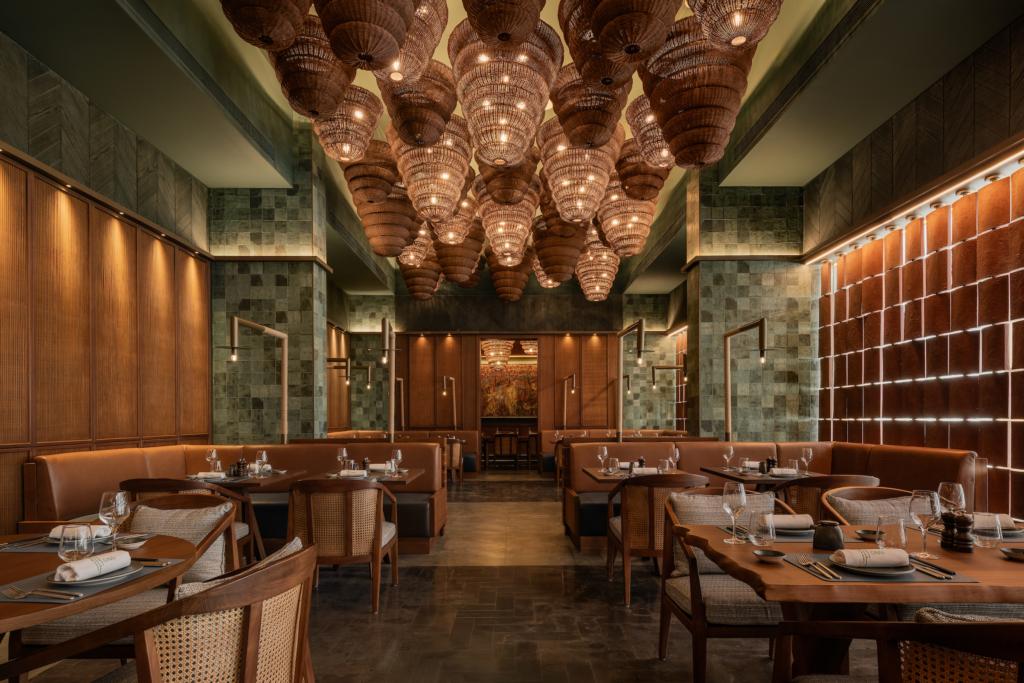
The hotel lobby that once felt like a waiting room, and the hotel room that looked identical from Dallas to Dubai, are quickly becoming relics. In 2026, hospitality furniture is being driven by a much deeper question than “does it look nice”: why do guests choose one hotel over another, and why do certain restaurants pull people back again and again? The answer, increasingly, comes down to furniture that feels genuinely intentional rather than generically commercial.
Here’s what’s shaping hotel, restaurant, and commercial furniture in 2026, and why the category is evolving faster than it has in years.
Purpose and Emotional Connection Are Driving Design
The hospitality furniture conversation has shifted from purely visual impact toward deeper questions about longevity and emotional connection. Designers, developers, and operators are increasingly asking why guests are drawn to certain spaces in the first place, and using those answers to shape how hotel furniture, restaurant seating, and broader commercial interiors are specified. This shift reflects a broader industry recognition that furniture isn’t just a backdrop — it’s a meaningful part of why people choose and remember a space.
1. Warmth Replaces Cool, Corporate Neutrals
Stark whites, grays, and blacks dominated hospitality design for the better part of a decade. That’s fading fast. Designers are moving away from those cool, minimal palettes and leaning into the richness of natural wood alongside earthy tones like beige, soft browns, caramel, clay, and antique cream. This warmer direction extends to how neutral tones themselves are being used — even the neutrals showing up in 2026 hospitality spaces are richer and more natural than the stark, clinical neutrals of past years.
2. Layered Texture as a Design Tool
Texture has become one of the most important design elements in commercial and hospitality spaces this year. Soft chenilles, plush velvets, and bouclé fabrics are showing up throughout hotels and restaurants, adding tactile richness and comfort that flatter, glossy commercial fabrics never achieved. This isn’t purely decorative — in high-traffic commercial settings, these textured fabrics have to meet contract-grade durability and fire compliance standards, meaning texture and performance now have to work together rather than one being sacrificed for the other.
3. Commercial Durability With Residential Aesthetics
One of the defining tensions in hospitality furniture design is balancing intense daily use with genuine visual appeal, and 2026 is seeing real progress on that front. The current trend is producing furniture in commercial-grade materials that’s nearly indistinguishable from luxury residential furniture — sturdy frames, durable fabrics, and scratch-resistant surfaces that don’t announce themselves as “hotel furniture” the moment a guest sits down. This matters because relying on standard consumer-grade furniture in a commercial setting typically leads to rapid wear, voided warranties, and a disjointed brand image once pieces start to show damage.
4. Biophilic Design Across Every Commercial Category
Biophilic design has become arguably the single most impactful trend across commercial spaces this year, spanning offices, hotels, and restaurants alike. This shows up as organically shaped furniture forms, real woodgrains, stone accents, and even live plants integrated directly into guest-facing spaces. In hotel lobbies specifically, this trend is pushing furniture toward a genuinely residential scale and comfort level, paired with lighting that shifts with the day’s natural rhythm — the overall goal being a space that encourages guests to treat the lobby like their own living room rather than a transitional waiting area.
5. Human-Centered, Ergonomic Seating
Hospitality furniture is increasingly being designed around physical and psychological well-being rather than aesthetics alone. Soft edges, ergonomic seating, and breathable materials are becoming standard rather than premium upgrades, reflecting a broader movement toward furniture that actively contributes to how comfortable and cared-for a guest feels during their stay, not just how the space photographs.
6. Artisanal, Hand-Crafted Details
There’s a growing appreciation in boutique hotels and restaurants for furniture that visibly reflects the craftsmanship behind it. Hand-finished details, visible stitching, and carefully considered joinery are becoming more prominent, driven partly by client awareness that mass-produced furniture tends to move quickly through design trends and lose relevance faster than well-crafted pieces. A hand-carved reception desk or a bespoke lounge chair does more than furnish a space — it becomes part of how a property tells its own story and showcases local craftsmanship.
7. Statement, “Instagrammable” Furniture
Furniture is increasingly being used as a deliberate brand-building and storytelling tool rather than a neutral backdrop. This is showing up as unconventional sculptural armchairs, boldly flowing lounge chairs, and central lobby displays specifically designed to make guests stop and take notice. The goal of these visually striking pieces goes beyond simply looking good in photos — a memorable, photograph-worthy piece of furniture becomes part of how guests remember and talk about a space long after their stay ends.
8. Modular, Revenue-Generating Furniture
Flexibility has become a genuine financial consideration in commercial furniture specification, not just a design preference. Facilities that prioritize versatile, movable furniture are better positioned to generate additional revenue through more diverse event offerings, since a space that can be quickly reconfigured for a wedding, conference, or intimate dinner service is inherently more valuable than one locked into a single layout.
9. Sustainability as a Buying Requirement
Sustainable materials have moved from a nice-to-have to an active purchasing consideration across the hospitality industry. Over half of restaurant owners are now actively seeking furniture made from environmentally friendly materials, such as FSC-certified wood and recycled plastics, reflecting both genuine environmental concern and a recognition that sustainable choices tend to appeal to a growing base of eco-conscious guests and diners.
10. Custom, Contract-Grade Solutions
Off-the-shelf furniture is increasingly seen as insufficient for delivering the kind of distinctive, durable spaces hospitality brands need in 2026. Custom-engineered furniture solutions, built specifically to commercial durability standards while achieving a particular design vision, are becoming essential for hotels and restaurants trying to differentiate themselves rather than blending into a sea of generic commercial interiors.
What This Means for Hospitality Buyers and Designers
- Prioritize contract-grade fabrics with real performance specs. Texture and softness matter, but only if the fabric can also meet fire compliance and durability standards for high-traffic use.
- Invest in a few statement pieces rather than an entirely custom room. A single sculptural chair or striking lobby piece can deliver significant brand impact without the cost of full bespoke furnishing throughout.
- Choose modular furniture where flexibility drives revenue. Event spaces and restaurants that can reconfigure quickly are better positioned to diversify their offerings and increase per-square-foot revenue.
- Ask about sourcing and certification. With sustainability now an active purchasing filter for many operators and guests, FSC certification and recycled material content are worth confirming upfront.
- Don’t underestimate craftsmanship as differentiation. In a market full of mass-produced commercial furniture, hand-finished details are one of the more reliable ways to stand out and age well.
Frequently Asked Questions
What’s the biggest hospitality furniture trend for 2026? Biophilic design is widely considered the most impactful trend across hotels, restaurants, and commercial spaces this year, bringing natural materials, organic shapes, and greenery into guest-facing areas.
Why is commercial-grade furniture with residential aesthetics important? Guests increasingly expect hotel and restaurant furniture to feel comfortable and stylish rather than obviously “commercial,” while operators still need furniture durable enough to withstand daily high-traffic use — meeting both at once has become a defining design challenge for 2026.
Is sustainable furniture actually in demand from hospitality operators? Yes — more than half of restaurant owners are actively seeking furniture made from sustainable materials like FSC-certified wood, reflecting both genuine sustainability goals and appeal to environmentally conscious guests.
Final Thoughts
Hospitality furniture in 2026 reflects a broader shift in how hotels and restaurants think about guest experience: furniture is no longer a neutral, replaceable backdrop, but an active part of a property’s brand and story. Between biophilic lobbies, commercial-grade pieces that look genuinely residential, and a real push toward sustainability and craftsmanship, the properties standing out this year are the ones treating furniture as a strategic decision rather than an afterthought — because increasingly, it’s exactly what guests remember.
