
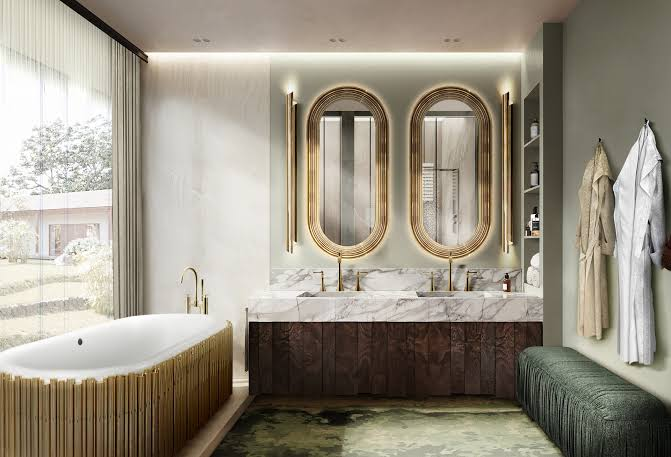
The bathroom is one of the most frequently used rooms in any home, yet it’s often the last space to get a thoughtful design upgrade. Choosing the right bathroom furniture can transform a purely functional room into a relaxing retreat while maximizing storage and usability. From vanities and cabinets to shelving and seating, every piece plays a role in how your bathroom looks and works.
This guide covers everything you need to know about selecting bathroom furniture — including styles, materials, storage solutions, and budgeting tips — so you can create a space that’s both beautiful and practical.
Why Bathroom Furniture Matters
Unlike furniture in other rooms, bathroom furniture must withstand humidity, temperature fluctuations, and constant exposure to water. This means style is only part of the equation — durability and moisture resistance are equally important. Well-chosen bathroom furniture can also solve one of the biggest challenges in most homes: storage. Towels, toiletries, cleaning supplies, and personal care items all need a home, and the right furniture keeps clutter contained while enhancing the room’s overall aesthetic.
A well-furnished bathroom also adds real value to your home. Renovated or updated bathrooms are consistently among the top features buyers look for, making thoughtful furniture choices a smart long-term investment.
Popular Bathroom Furniture Styles
Modern Bathroom Furniture
Modern bathroom furniture favors clean lines, floating vanities, and minimalist hardware. Glossy finishes, integrated sinks, and hidden storage are hallmarks of this style, which works especially well in smaller bathrooms where visual clutter needs to be minimized.
Traditional Bathroom Furniture
Traditional styles bring warmth and elegance with raised-panel cabinetry, ornate mirrors, and furniture-style vanities that resemble freestanding dressers. Rich wood tones and classic hardware finishes like brass or bronze complete the look.
Farmhouse and Rustic Bathroom Furniture
Farmhouse-style bathrooms use reclaimed wood, apron-front sinks, and vintage-inspired fixtures to create a cozy, lived-in atmosphere. Open shelving and woven storage baskets are common additions that balance rustic charm with practicality.
Coastal and Spa-Inspired Bathroom Furniture
For a relaxing, resort-like feel, coastal and spa-inspired bathrooms use light wood tones, natural textures like rattan or teak, and soft, neutral color palettes. This style often incorporates furniture pieces designed to mimic a hotel bathroom experience.
Industrial Bathroom Furniture
Industrial-style bathrooms combine metal fixtures, exposed pipework, and reclaimed wood vanities for an edgy, urban look. Concrete countertops and matte black hardware are popular accents in this style.
Essential Bathroom Furniture Pieces
Vanities
The vanity is typically the focal point of any bathroom. It combines storage, countertop space, and often the sink itself. When choosing a vanity, consider:
- Size and layout — Make sure it fits comfortably within your bathroom’s dimensions without blocking doors or walkways.
- Storage needs — Drawers offer better organization than open shelving, especially for smaller items.
- Countertop material — Quartz and granite resist water damage better than laminate, though laminate is more budget-friendly.
- Sink style — Undermount sinks offer a seamless look, while vessel sinks add a decorative statement.
Mirrors and Medicine Cabinets
Mirrors are essential for functionality but also serve as design statements. Framed mirrors add character, while frameless designs feel sleek and modern. Medicine cabinets combine mirror functionality with hidden storage, making them a smart choice for smaller bathrooms.
Storage Cabinets and Shelving
Freestanding cabinets, linen towers, and floating shelves help organize towels, toiletries, and extra supplies. Open shelving works well for displaying neatly folded towels or decorative items, while closed cabinetry keeps clutter out of sight.
Bathroom Seating
While not essential in every bathroom, seating like a small bench or stool adds both function and style. Benches are especially useful near a bathtub or in larger bathrooms with a dressing area.
Towel Storage and Ladders
Freestanding towel ladders and wall-mounted racks combine storage with decor. They’re an easy way to add warmth and texture, especially in bathrooms with minimalist or monochromatic color schemes.
Choosing the Right Materials for Bathroom Furniture
Because bathrooms are high-moisture environments, material selection matters more here than in almost any other room in the house.
Moisture-Resistant Wood
Solid wood can warp or swell in humid environments unless properly sealed. Look for furniture labeled as moisture-resistant, or choose species like teak, which naturally resists water damage. Engineered wood products designed specifically for bathrooms often include water-resistant coatings.
PVC and Thermofoil
PVC and thermofoil-coated furniture are budget-friendly, fully waterproof options that mimic the look of painted wood. They’re a popular choice for vanities in humid climates or frequently used bathrooms.
Metal
Stainless steel and powder-coated metal resist rust and corrosion, making them ideal for shelving, towel bars, and hardware. Brushed finishes also tend to hide water spots better than polished chrome.
Stone and Quartz
Stone and engineered quartz countertops are highly durable and resistant to water, staining, and scratching, making them a long-term investment for vanity tops.
Rattan and Wicker
For coastal or bohemian-style bathrooms, treated rattan and wicker add natural texture. These materials should be sealed or treated for moisture resistance to prevent mold growth over time.
Maximizing Storage in Small Bathrooms
Small bathrooms present unique furniture challenges, but smart choices can make even compact spaces feel organized and spacious.
- Choose a floating vanity. Wall-mounted vanities create the illusion of more floor space and make cleaning easier.
- Use vertical storage. Tall, narrow cabinets or shelving units make use of vertical space without crowding the floor.
- Install corner shelving. Corners are often wasted space — corner shelves or cabinets can add valuable storage without disrupting the room’s flow.
- Opt for multi-functional furniture. Mirrored cabinets, storage benches, and over-the-toilet shelving units combine multiple functions in a single piece.
- Use light colors and reflective surfaces. Light-colored furniture paired with mirrors can visually expand a small bathroom.
How to Budget for Bathroom Furniture
Bathroom furniture costs vary widely depending on materials, size, and brand. Here’s a general approach to budgeting:
- Set a total renovation or furnishing budget first, then allocate roughly 20-30% to furniture and storage pieces.
- Prioritize the vanity, since it’s typically the most expensive and most-used piece.
- Save on accessories like towel racks and small shelving, which are widely available at lower price points without sacrificing quality.
- Factor in installation costs for built-in pieces like vanities or medicine cabinets, as professional installation can add to the overall project cost.
Bathroom Furniture Shopping Tips
Check Water Resistance Ratings
Always verify that furniture marketed for bathroom use has been treated or rated for moisture resistance, especially for pieces placed near sinks, tubs, or showers.
Measure Carefully
Bathrooms often have tight, irregular layouts. Measure not just the floor space, but also door swing clearance, plumbing locations, and outlet placement before purchasing.
Match Hardware Finishes
For a cohesive look, coordinate cabinet hardware with faucets, showerheads, and light fixtures. Mixing metals intentionally — such as pairing matte black with brushed gold — can also create a stylish, layered look when done thoughtfully.
Read Reviews for Humidity Performance
Customer reviews often reveal how furniture performs in real-world humid conditions over time, which can be more telling than manufacturer claims alone.
Maintaining Bathroom Furniture
Proper maintenance extends the life of bathroom furniture significantly:
- Wipe down surfaces regularly to prevent water spots and soap scum buildup.
- Use a dehumidifier or exhaust fan to reduce excess moisture that can damage wood and cabinetry over time.
- Reseal wood furniture periodically if it shows signs of dryness or wear.
- Clean metal hardware with appropriate cleaners to prevent tarnishing or rust.
- Address leaks immediately to prevent water damage to nearby cabinetry or flooring.
Common Bathroom Furniture Mistakes to Avoid
- Choosing non-water-resistant materials that warp or deteriorate quickly in humid conditions.
- Overcrowding a small bathroom with oversized furniture that blocks movement.
- Ignoring ventilation needs, which accelerates furniture damage regardless of material quality.
- Skipping proper measurements, leading to furniture that doesn’t fit around plumbing or fixtures.
- Prioritizing style over function, resulting in beautiful furniture that doesn’t meet everyday storage needs.
Final Thoughts
Bathroom furniture plays a bigger role in your home than many people realize, balancing everyday functionality with the opportunity to create a calming, well-designed space. By choosing moisture-resistant materials, prioritizing smart storage solutions, and selecting a style that reflects your taste, you can turn your bathroom into one of the most functional and inviting rooms in your home. With careful planning and the right furniture choices, even the smallest bathroom can feel organized, stylish, and complete.
