
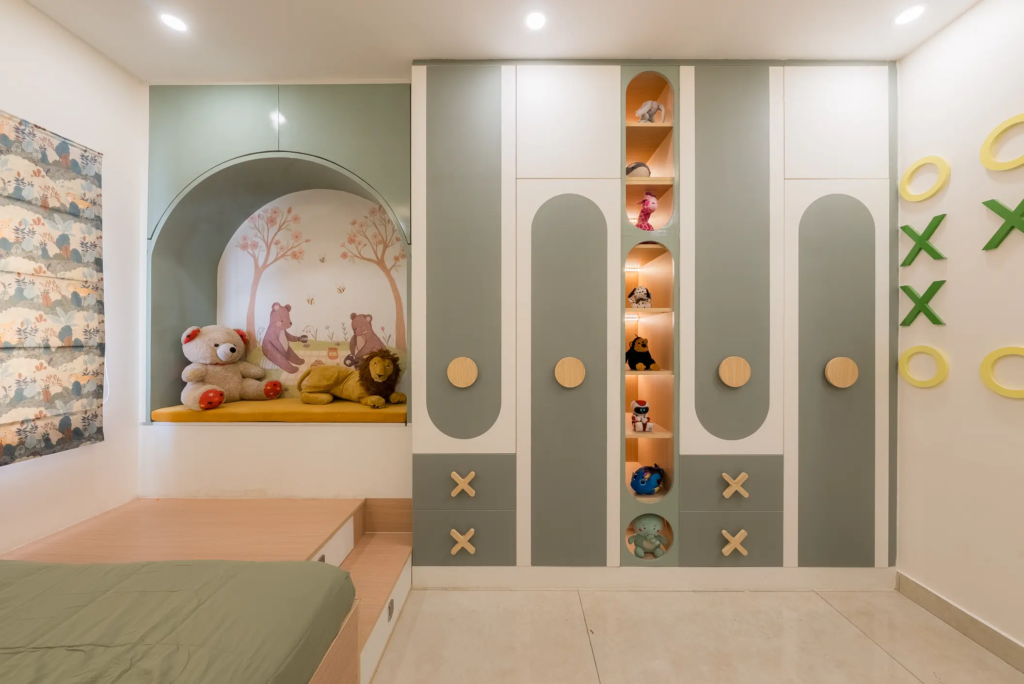
1. Multifunctional Furniture That Grows With the Child
Rather than buying furniture that’s quickly outgrown, families in 2026 are prioritizing pieces designed to adapt as children age. Modular shelving, adjustable-height desks, and bed frames that extend in length are becoming standard features rather than premium upgrades. This approach saves money over the long term and reduces furniture waste, since a single well-designed piece can serve a child from toddlerhood through the teenage years instead of being replaced at every stage.
2. Bunk and Loft Beds With Built-In Storage
Space efficiency remains a top priority in kids’ rooms, especially in shared bedrooms and smaller apartments. Bunk beds and loft beds that incorporate storage — built-in drawers, shelving, or a desk tucked beneath the sleeping area — are a defining trend for 2026, allowing a single piece of furniture to handle sleeping, storage, and study needs at once. This kind of space-saving design is particularly popular for kids sharing a room, where maximizing floor space is essential.
3. Calming, Nature-Inspired Color Palettes
Bright primary colors are giving way to softer, nature-inspired palettes in 2026. Sage green, warm terracotta, muted blue, dusty lavender, and oatmeal tones are replacing the bold reds and yellows that once dominated kids’ furniture. These calmer shades are designed to help children relax and focus, and they carry a practical advantage too: they work well in shared rooms and are far less likely to feel outdated as a child’s taste evolves over time.
4. Neutral Core Furniture, Personalized Through Decor
Instead of investing in themed furniture sets that children quickly outgrow, more families are choosing neutral, timeless furniture and personalizing the room through bedding, wall decals, and lighting instead. Designers often recommend an 80/20 approach: keep roughly 80% of the room — flooring, wardrobes, and large furniture — in timeless, neutral choices, and reserve the remaining 20% for trend-driven or personality-driven elements that are easy and inexpensive to swap out as interests change.
5. Natural and Non-Toxic Materials
Sustainability has moved from a nice-to-have to a core requirement in kids’ room furniture in 2026. Parents are increasingly prioritizing low-VOC paints, organic cotton textiles, and natural wood furniture, driven by growing concern over indoor air quality and long-term health. Bamboo, rattan, and jute are showing up frequently in kids’ furniture and decor, adding natural texture and warmth while meeting the sustainability standards more parents now expect as a baseline.
6. Smart Storage Solutions
Storage remains one of the biggest ongoing challenges in any kids’ room, and 2026 furniture is responding with smarter, more integrated solutions. Look for furniture with hidden storage compartments, under-bed drawers, and modular cubby shelving that doubles as both toy storage and display space. These solutions keep rooms tidy without sacrificing style, and they’re especially valuable for families who can’t overhaul an entire room at once — a single modular storage piece can make a meaningful difference on its own.
7. Movable and Reconfigurable Furniture
Flexibility is a defining feature of 2026 kids’ room design, with movable furniture allowing children to rearrange their own space as they wish. This trend goes beyond simple practicality: giving kids some control over their room’s layout teaches spatial awareness and offers a meaningful sense of ownership over their environment, while also making it easier for the room to adapt as the child’s needs and interests shift.
8. Enhanced Safety Standards as the New Baseline
As parents become more discerning about bunk beds, loft beds, and other elevated furniture, safety certifications matter more than ever in 2026. Rounded edges, sturdy guardrails, anti-tip anchors, and slip-resistant ladder steps are now expected as standard features rather than optional extras on quality kids’ furniture, reflecting a broader shift toward furniture that’s held to the same durability and safety expectations as adult furniture.
9. Biophilic and Nature-Themed Design
Bringing the outdoors in is a growing influence on kids’ furniture in 2026, with designers embracing biophilic principles through organic shapes, nature-themed motifs, and palettes inspired by forests, oceans, and skies. This approach helps connect children with nature within the home, and it pairs naturally with the calming color palettes and natural materials already trending across kids’ rooms this year.
10. Playful Accents Layered Onto a Calm Foundation
While the underlying furniture trends toward neutral, calming choices, 2026 kids’ rooms are far from plain. Bold accents, geometric shapes, and whimsical illustrations show up through textiles, wallpaper, and smaller furniture details, layered onto the room’s neutral foundation. This gives kids’ rooms room to feel playful and personal without sacrificing the timeless, adaptable base furniture that’s meant to last through multiple stages of childhood. Involving children in these smaller decisions — choosing their own artwork, bedding, or accent color — also helps foster a genuine sense of ownership over their space, something designers say matters more in 2026 than ever before.
What’s Falling Out of Style in Kids’ Rooms This Year
A few once-popular kids’ room choices are losing ground in 2026:
- Themed furniture sets — replaced by neutral, timeless furniture personalized through swappable decor instead.
- Bright primary color palettes — giving way to softer, nature-inspired tones like sage, terracotta, and dusty blue.
- Fixed, single-stage furniture — losing ground to adjustable, extendable pieces designed to grow with the child.
- Furniture without safety certifications — increasingly considered a dealbreaker as parents prioritize rounded edges, guardrails, and anti-tip anchors as standard.
Frequently Asked Questions About 2026 Kids’ Room Furniture Trends
What is the biggest kids’ room furniture trend for 2026? Multifunctional, adaptable furniture that grows with the child — such as extendable beds and adjustable-height desks — is widely considered the defining trend of 2026, replacing furniture designed for a single stage of childhood.
What colors are trending for kids’ rooms in 2026? Calming, nature-inspired colors like sage green, muted blue, dusty lavender, and warm terracotta are leading 2026 kids’ room trends, replacing the bright primary colors common in previous years.
Are themed furniture sets still popular for kids’ rooms? No. Themed furniture sets are falling out of favor in 2026 in favor of neutral, timeless furniture that’s personalized through bedding, decals, and lighting instead.
What materials are considered best for kids’ furniture in 2026? Natural wood, bamboo, rattan, and organic cotton textiles are among the most sought-after materials in 2026, reflecting growing parental focus on non-toxic, sustainably sourced furniture.
Are bunk beds still a good option for kids’ rooms in 2026? Yes, especially bunk and loft beds with built-in storage, which remain a top space-saving trend for shared rooms in 2026 — provided they meet current safety standards like guardrails and anti-tip anchors.
Final Thoughts
Kids’ room furniture in 2026 reflects a more thoughtful, long-term approach to designing for children. Rather than chasing fleeting themes, parents are investing in adaptable, sustainably made furniture that can evolve alongside a child’s changing needs, while reserving the fun and personality for easily swappable decor. Whether you’re furnishing a nursery, a shared kids’ room, or a teenager’s first grown-up bedroom, prioritizing flexibility, natural materials, and genuine safety will keep the space both current and functional for years to come.
For parents who can’t overhaul a room all at once, the good news is that these trends are highly compatible with a gradual approach. Start with a single modular piece — a cubby shelf that doubles as storage and display, or an under-bed drawer system — before tackling bigger investments like an extendable bed frame or an adjustable desk. Repainting in a soft, grounding color and layering in playful accents through pillows, art, or lighting can also transform the feel of a room without touching the furniture at all, making it easy to phase in these trends on whatever timeline and budget works best for your family.
