
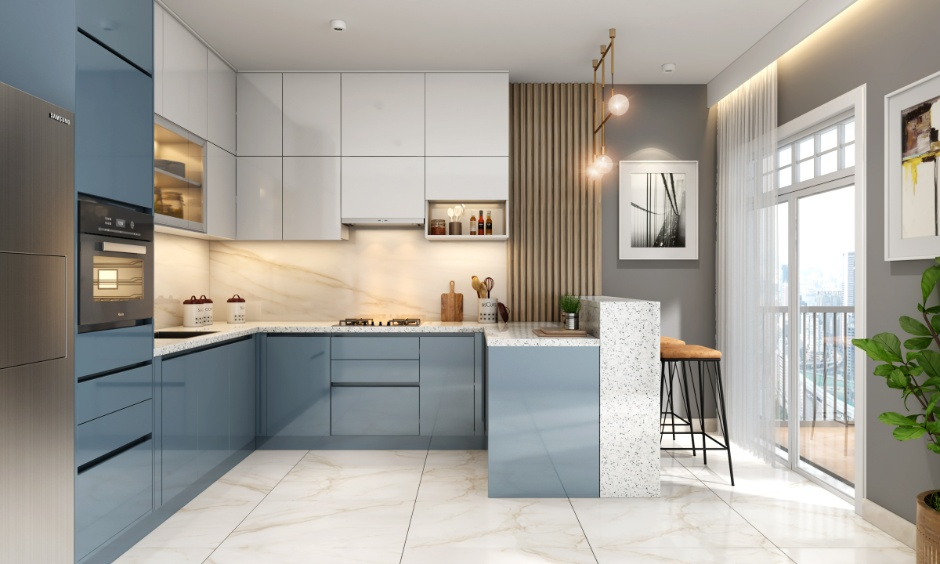
1. Freestanding, Furniture-Style Cabinetry
Perhaps the biggest shift in kitchen design this year is a move away from fully built-in, uniform cabinetry toward freestanding, furniture-style pieces. Designers describe this as a move away from a “built-in” look and toward character — standalone pantry cupboards, built-in hutches, and islands designed to resemble bespoke furniture rather than fitted units. This trend creates a more dynamic, curated kitchen that feels lived-in rather than assembled from a single catalog, and it offers genuine flexibility, since freestanding pieces can be rearranged or even brought along when a homeowner moves. Designers caution that any standalone elements should be planned as an intentional feature from the outset, rather than added as an afterthought once the rest of the kitchen is already finished.
2. Warm, Earthy Color Palettes
Stark whites and cold grays are steadily losing ground in 2026 kitchens. In their place, warmer palettes are taking over — natural wood tones, beige, mushroom, and greige are creating a calming, organic feel that brings personality back into the space rather than the sterile look common in new construction. Rather than mixing light upper cabinets with dark lowers, the trend now favors a single cohesive color across all cabinetry for a more elevated, unified look.
3. Bold Jewel Tones as a Statement Choice
Alongside warm neutrals, deep, dramatic jewel tones are making a real statement in 2026 kitchens. Emerald greens, sapphire blues, and ruby reds are replacing the all-white kitchens of recent years, creating a cozy yet sophisticated atmosphere that turns cabinetry into a genuine focal point. These rich colors pair especially well with warm metallic hardware like brass or copper, which enhances their depth and richness rather than competing with it.
4. Textured, Tactile Cabinet Finishes
Texture is a defining element of 2026 kitchen cabinetry, with designers centering their approach around depth, tactility, and material. Liquid metal finishes, rich timber, smooth stone, and a renewed interest in stainless steel are all combining to create kitchens with genuine personality. This shift also includes a move toward higher-sheen finishes and textured surfaces — not a full return to high gloss, but a clear step away from the ultra-matte finishes that dominated recent years.
5. Mixed Glass Cabinet Applications
Glass is playing a more sophisticated role in 2026 kitchen cabinetry, with clear, textured, and tinted panels combined within a single cabinet system. Reed glass alternates with smooth surfaces to create a rhythm that’s genuinely noticeable, while frosted sections keep everyday clutter hidden and clear panels put favorite pieces on display. LED strips inside glass cabinets are adding a soft ambient glow, giving kitchens an entirely different mood after dark.
6. Sleek, Simple Door Styles
While texture and color are getting bolder, cabinet door styles themselves are trending simpler in 2026. Flat-panel and slab cabinets, along with slimmer-framed shaker styles, are the most popular choices this year, offering a clean, versatile canvas that works across a wide range of aesthetics. Ornate detailing is largely out in favor of doors with small, understated details rather than flashy ornamentation — a look designed to complement bold colors and textures rather than compete with them.
7. Advanced, Space-Maximizing Storage
Smart storage has moved from a nice-to-have to a genuine must-have in 2026 kitchen cabinetry. Soft-close drawers with variable damping technology are now considered standard rather than a luxury upgrade, while pull-out shelves, corner drawer systems, custom inserts, and integrated pantry cabinets are transforming previously unused space into functional storage. Appliance garages that tuck away toasters and blenders, along with deep pull-out drawers for pots and pans, are helping even small kitchens feel genuinely organized and spacious.
8. Floor-to-Ceiling Cabinetry
Maximizing vertical space is a major theme in 2026 kitchen design, with floor-to-ceiling cabinetry creating both additional storage and a seamless, custom-built look that draws the eye upward. For kitchens with tall ceilings, stacked cabinets or decorative trim are commonly used to complete the polished, intentional appearance this trend is known for.
9. Sustainable Materials and Low-VOC Finishes
Sustainability continues to shape kitchen cabinetry decisions in 2026, with reclaimed wood, bamboo, and recycled materials gaining significant traction among homeowners. Beyond the materials themselves, low-VOC finishes are increasingly prioritized for the indoor air quality benefits they offer, reflecting a broader shift toward cabinetry choices that support both environmental and household health rather than aesthetics alone.
10. Curved Details and Softer Edges
Small architectural details are having an outsized impact on 2026 kitchens. A curved worktop end or a pill-shaped island can instantly make a kitchen feel current while remaining timeless, echoing the curved-furniture trend showing up across every other room of the home this year. These softer edges provide a subtle counterpoint to the more rectilinear cabinetry that still forms the bulk of most kitchens.
What’s Falling Out of Style in Kitchens This Year
A few once-dominant kitchen cabinetry choices are losing favor in 2026:
- Ultra-minimal, handleless cabinetry — once sleek and popular, now considered anonymous and disconnected from how people actually want to live.
- All-white kitchens — replaced by warm neutrals and bold jewel tones that bring personality back into the space.
- Fluted wood detailing — a major recent trend that designers now say is starting to feel overdone, with solid wood alternatives recommended for better durability.
- Mixed light-and-dark cabinet schemes — giving way to a single, cohesive color across all cabinetry for a more elevated look.
Frequently Asked Questions About 2026 Kitchen Cabinetry Trends
What is the biggest kitchen cabinetry trend for 2026? Freestanding, furniture-style cabinetry is widely considered the defining trend of 2026, moving kitchens away from a fully built-in look toward standalone pieces that add character and flexibility.
What colors are trending for kitchen cabinets in 2026? Warm neutrals like beige, mushroom, and greige are trending alongside bold jewel tones such as emerald green, sapphire blue, and ruby red, replacing the stark whites and cold grays of previous years.
Is fluted cabinetry still in style for 2026? Fluted wood cabinetry is starting to feel overdone according to designers in 2026, who recommend solid wood alternatives with more understated, timeless detailing instead.
Are handleless, ultra-minimal kitchens still trending? No. Ultra-minimal, handleless cabinetry is losing favor in 2026 in favor of kitchens with more warmth, texture, and individual character.
What storage features are considered essential in 2026 kitchens? Soft-close drawers, pull-out shelving, corner drawer systems, and integrated pantry cabinets are now considered standard rather than luxury features in 2026 kitchen cabinetry.
Final Thoughts
Kitchen cabinetry in 2026 reflects a clear departure from the anonymous, ultra-streamlined kitchens of recent years. Freestanding furniture-style pieces, warm and jewel-toned colors, tactile finishes, and smart storage solutions are combining to create kitchens that feel personal, characterful, and genuinely lived-in. Whether you’re planning a full renovation or a smaller cabinet refresh, prioritizing warmth, texture, and functional storage will keep your kitchen feeling current and connected to how you actually live for years to come.
For homeowners not ready for a full cabinetry overhaul, smaller updates can still capture much of this year’s momentum. Swapping cool-toned hardware for warm brass or copper, introducing one freestanding piece like a pantry cupboard or plate rack, or repainting a single run of cabinets in a bold jewel tone are all ways to bring 2026’s warmth and character into an existing kitchen without a complete renovation. As with any major design decision, it’s worth weighing the upfront cost of textured finishes and custom storage against your long-term plans for the space, since some trend-forward choices carry a higher price tag than the simpler, more classic styles they’re replacing.
