
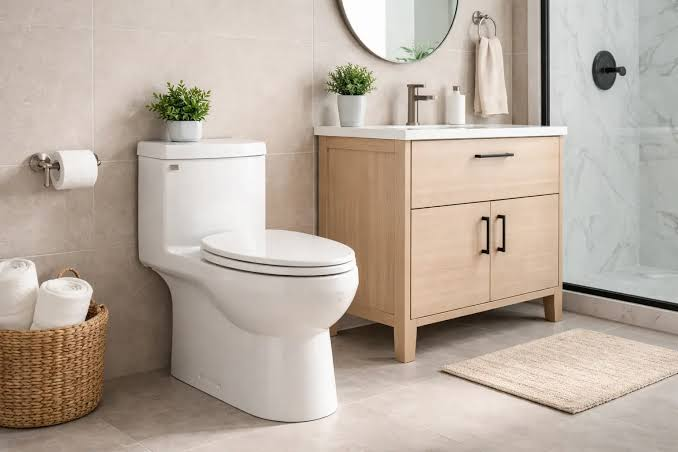
The toilet is one of the most-used fixtures in any home, yet it’s often the last thing homeowners think about when renovating or upgrading a bathroom. Choosing the right toilet isn’t just about aesthetics — it affects water efficiency, comfort, maintenance, and even your monthly utility bills. With so many types, shapes, and flushing systems available, picking the perfect toilet can feel more complicated than it should be.
This guide walks through everything you need to know about toilets, from different types and flushing mechanisms to sizing, materials, and budgeting, so you can make a confident, informed decision.
Why Choosing the Right Toilet Matters
A toilet isn’t a purchase most people make often, so getting it right the first time matters. The right toilet improves daily comfort, reduces water waste, and can even boost your home’s resale value. On the other hand, an ill-fitting or poorly performing toilet can lead to frequent clogs, higher water bills, and an uncomfortable bathroom experience.
Modern toilets have also evolved significantly in terms of efficiency and technology. Today’s models use far less water than toilets from just a decade or two ago, while offering better flushing performance and added features like bidet functions, heated seats, and self-cleaning surfaces.
Types of Toilets
Two-Piece Toilets
Two-piece toilets consist of a separate tank and bowl bolted together. They’re the most common and affordable option, widely available in a range of styles and price points. Because the tank and bowl are separate, two-piece toilets are generally easier and cheaper to repair if a part breaks.
One-Piece Toilets
One-piece toilets combine the tank and bowl into a single unit, creating a sleek, seamless look. They’re easier to clean since there’s no seam where the tank meets the bowl, and they tend to be more compact. One-piece toilets are typically more expensive than two-piece models but are popular in modern and minimalist bathroom designs.
Wall-Mounted Toilets
Wall-mounted toilets have the tank hidden inside the wall, with only the bowl visible. This design saves floor space, makes cleaning easier, and creates a sleek, contemporary look. However, installation is more complex and often requires professional plumbing work, making them a pricier option upfront.
Smart Toilets
Smart toilets integrate advanced technology such as heated seats, built-in bidets, automatic flushing, air dryers, and even self-cleaning functions. While significantly more expensive, they offer a luxury, spa-like experience and are growing in popularity, especially in upscale bathroom renovations.
Composting and Dual-Flush Toilets
For eco-conscious homeowners, composting toilets eliminate water usage entirely by breaking down waste naturally, making them ideal for off-grid homes or cabins. Dual-flush toilets, on the other hand, offer two flush options — a lower-volume flush for liquid waste and a higher-volume flush for solid waste — helping conserve water without composting.
Understanding Flushing Systems
The flushing mechanism is one of the most important factors in toilet performance, affecting both efficiency and how well the toilet clears waste.
Gravity-Flush Toilets
Gravity-flush toilets are the most common and rely on the natural force of water flowing from the tank into the bowl. They’re quiet, simple to maintain, and generally reliable, though performance can vary between models.
Pressure-Assisted Toilets
Pressure-assisted toilets use compressed air to force water into the bowl with extra power, resulting in a stronger flush that reduces clogs. They’re louder than gravity-flush models but are popular in commercial settings and households prone to frequent clogging.
Dual-Flush Systems
As mentioned above, dual-flush toilets let users choose between a partial or full flush, conserving water for liquid waste. This system has become increasingly standard in water-efficient toilet designs.
Toilet Bowl Shapes: Round vs. Elongated
Toilet bowls generally come in two shapes:
- Round bowls are more compact, making them a good fit for smaller bathrooms or half-baths where space is limited.
- Elongated bowls offer a longer seating area for added comfort and are the standard choice in most modern homes, though they require a few extra inches of space.
Toilet Height Options
Toilet height can significantly affect comfort, especially for taller individuals, seniors, or anyone with mobility concerns.
- Standard height toilets typically measure around 14-15 inches from the floor to the seat.
- Comfort height (also called “chair height”) toilets measure around 17-19 inches, matching the height of a standard chair. These are easier to sit down on and stand up from, making them a popular choice for accessibility and general comfort.
Materials Used in Toilet Manufacturing
Vitreous China
The vast majority of toilets are made from vitreous china, a glazed ceramic material that’s non-porous, easy to clean, and highly durable. It resists staining and bacteria buildup, making it the industry standard for both tanks and bowls.
Stainless Steel
Less common in residential settings, stainless steel toilets are extremely durable and resistant to damage, making them popular in commercial or high-traffic public restrooms.
Plastic and Composite Materials
Occasionally used in portable or RV toilets, plastic and composite materials are lightweight and cost-effective but generally less durable than vitreous china for permanent home installations.
Water Efficiency and WaterSense Certification
Water efficiency is one of the most important considerations when choosing a modern toilet. Toilets manufactured before the 1990s could use as much as 5-7 gallons per flush, while today’s standard models use around 1.6 gallons or less.
Look for toilets with a WaterSense certification, which indicates the model uses 1.28 gallons per flush or less while still maintaining strong flushing performance. Choosing a WaterSense-certified toilet can significantly reduce water usage and utility costs over time without sacrificing functionality.
How to Measure for a New Toilet
Before purchasing a toilet, it’s essential to measure your existing setup to ensure a proper fit.
- Measure the rough-in distance — the space from the wall behind the toilet to the center of the drainpipe. Standard rough-in is 12 inches, though 10-inch and 14-inch variations exist.
- Check the available floor space, especially width and depth, to ensure the new toilet fits comfortably without crowding other fixtures.
- Measure the doorway width if replacing a toilet in a small or oddly shaped bathroom, to confirm the new unit can be brought into the room.
- Note the height of the existing water supply line to ensure compatibility with the new toilet’s connection point.
Budgeting for a New Toilet
Toilet prices vary widely based on type, brand, and features:
- Basic two-piece toilets are typically the most budget-friendly option, ideal for straightforward replacements.
- One-piece and wall-mounted toilets cost more due to design and installation complexity.
- Smart toilets represent the highest price tier but offer added comfort and technology features.
- Installation costs should also be factored in, especially for wall-mounted or heavily modified setups that may require professional plumbing work.
Setting aside a bit of extra budget for a new wax ring, bolts, and a shutoff valve replacement is also wise, since these parts are often replaced during installation regardless of the toilet type chosen.
Toilet Shopping Tips
Read Flushing Performance Reviews
Not all toilets flush equally well, even within the same price range. Look for independent performance testing or customer reviews that specifically mention flushing power and clog resistance.
Consider Bathroom Size and Layout
A comfort-height, elongated toilet may be ideal for a spacious primary bathroom, while a compact round-bowl model might be better suited for a small powder room.
Check Warranty Coverage
Toilets are a long-term investment, so look for warranties covering the bowl, tank, and any mechanical or smart components separately, as coverage terms can vary significantly between manufacturers.
Match Your Bathroom’s Style
Toilets are available in various finishes and design styles, from classic white porcelain to modern skirted designs with concealed trapways that are easier to clean.
Maintaining Your Toilet
Regular maintenance keeps your toilet functioning properly and extends its lifespan:
- Clean regularly using non-abrasive cleaners to avoid scratching the glaze, which can trap bacteria and stains over time.
- Check for leaks periodically by adding a few drops of food coloring to the tank; if color appears in the bowl without flushing, there’s a leak that needs repair.
- Avoid flushing non-flushable items, such as wipes or paper towels, which are common causes of clogs.
- Inspect the wax ring and seals if you notice water pooling around the base, as this often indicates a failing seal that needs replacement.
Common Toilet Buying Mistakes to Avoid
- Skipping the rough-in measurement, resulting in a toilet that doesn’t fit the existing plumbing.
- Choosing based on price alone, without considering flushing performance or long-term water savings.
- Ignoring comfort height options, especially in households with older adults or anyone with mobility concerns.
- Overlooking installation costs, particularly for wall-mounted or smart toilet models.
- Forgetting to check bowl shape compatibility with the existing bathroom layout and space constraints.
Final Thoughts
While it may not be the most glamorous purchase, choosing the right toilet has a real impact on comfort, water efficiency, and long-term maintenance. By understanding the different types, flushing systems, and sizing considerations available, you can select a toilet that fits your bathroom’s layout, your household’s needs, and your budget. Whether you’re upgrading to a water-saving model, adding smart features, or simply replacing an aging fixture, a little research upfront ensures you end up with a toilet that performs well for years to come.
