
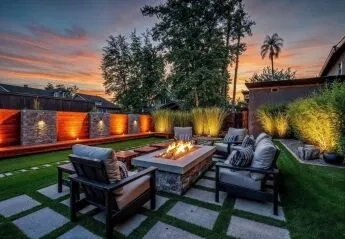
Why Outdoor Furniture Design Has Changed
The pandemic-era shift toward home-centered living permanently changed how people use outdoor spaces. Instead of a simple table and folding chairs, homeowners now want durable, comfortable, and aesthetically cohesive furniture that mirrors their indoor style. Manufacturers have responded with better materials, smarter weatherproofing, and designs that blur the line between indoor comfort and outdoor durability.
1. All-Weather Wicker and Rattan Get a Premium Upgrade
Synthetic wicker and rattan have long been popular for their durability, but newer versions look far more refined than older plastic-looking styles. High-density polyethylene (HDPE) weaves now mimic natural rattan so closely that it’s difficult to tell the difference — while resisting fading, cracking, and moisture damage far better than the real thing.
Why it works: These materials handle rain, sun, and temperature swings without losing their shape or color, making them ideal for year-round outdoor use.
2. Modular Outdoor Sectionals
Just like indoor furniture, outdoor seating is going modular. Homeowners are choosing sectional sofas made of individual weatherproof units that can be rearranged for parties, lounging, or compact storage during off-seasons. This flexibility is especially valuable for multi-purpose patios that need to switch between dining, relaxing, and entertaining setups.
3. Sustainable and Recycled Materials
Eco-conscious design has fully extended to outdoor furniture. Popular sustainable options now include:
- Recycled aluminum frames
- Outdoor fabrics made from recycled plastic bottles
- FSC-certified teak and eucalyptus wood
- Solar-integrated lighting built into furniture
Buyers are increasingly asking about material sourcing, and brands that emphasize recyclability and low environmental impact are gaining a competitive edge.
4. Fire Features as Furniture Centerpieces
Fire pits and fire tables are no longer just functional heat sources — they’re being designed as sculptural centerpieces. Concrete, stone-look composite, and matte-black steel fire tables are especially popular, often doubling as a coffee table by day and a gathering point by night.
5. Bold Outdoor Color and Pattern
Neutral beige and grey cushions are being replaced with richer, more expressive color palettes. Deep terracotta, olive green, navy, and warm rust tones are showing up in outdoor cushions, umbrellas, and rugs. Bold botanical and geometric patterns are also trending, adding personality to what used to be a purely utilitarian space.
6. Outdoor Kitchens and Bar Furniture
As backyard entertaining grows more elaborate, outdoor kitchen furniture is booming. This includes:
- Weatherproof bar carts and serving stations
- Built-in counter seating with stools
- Compact prep islands designed for grilling areas
These pieces make it easier to host guests without constantly running back and forth to an indoor kitchen.
7. Hanging and Suspended Seating
Hanging chairs, swing benches, and suspended daybeds continue to grow in popularity, particularly for smaller patios and balconies where floor space is limited. These pieces add a relaxed, resort-like feel while making efficient use of vertical space.
8. Natural Wood Tones Over Painted Finishes
While bright painted outdoor furniture had a moment, many homeowners are now shifting back toward natural wood tones like teak, acacia, and cedar. These materials age gracefully, developing a natural silver-grey patina over time that many designers now consider a desirable feature rather than a flaw.
9. Compact Furniture for Balconies and Small Patios
With more people living in apartments and condos, compact and foldable outdoor furniture has become essential. Bistro sets, stackable chairs, and slim-profile loungers allow small spaces to be fully utilized without feeling cramped. Many of these pieces are designed to fold flat for easy storage during colder months.
10. Smart and Self-Cleaning Fabrics
Outdoor textile technology has improved significantly. New performance fabrics offer:
- Stain resistance without heavy chemical treatments
- Quick-dry properties after rain
- UV-resistant dyes that won’t fade in direct sunlight
- Mildew-resistant coatings for humid climates
These advances mean outdoor cushions and furniture covers require far less maintenance than in previous years.
How to Choose the Right Outdoor Furniture for Your Space
- Measure your space first — oversized sectionals can overwhelm small patios, while undersized furniture can look lost in larger yards.
- Prioritize weather resistance based on your climate — humid regions need mildew-resistant fabrics, while sunny regions need strong UV protection.
- Choose a cohesive material palette — mixing too many finishes (wood, metal, wicker) can make a space feel disjointed.
- Invest in quality cushions since they typically wear out before the frames do.
- Think about storage — foldable or stackable pieces are ideal if you need to store furniture seasonally.
Final Thoughts
Outdoor furniture in 2026 is all about blending durability with genuine style — spaces that feel as intentional and comfortable as any room inside the house. From modular sectionals and fire-table centerpieces to sustainable materials and smarter fabrics, today’s outdoor furniture options make it easier than ever to create a backyard, balcony, or patio that reflects your personal taste while standing up to the elements.
Whether you’re working with a small balcony or a sprawling backyard, these trends offer plenty of ways to build an outdoor space you’ll actually want to spend time in — season after season.
