
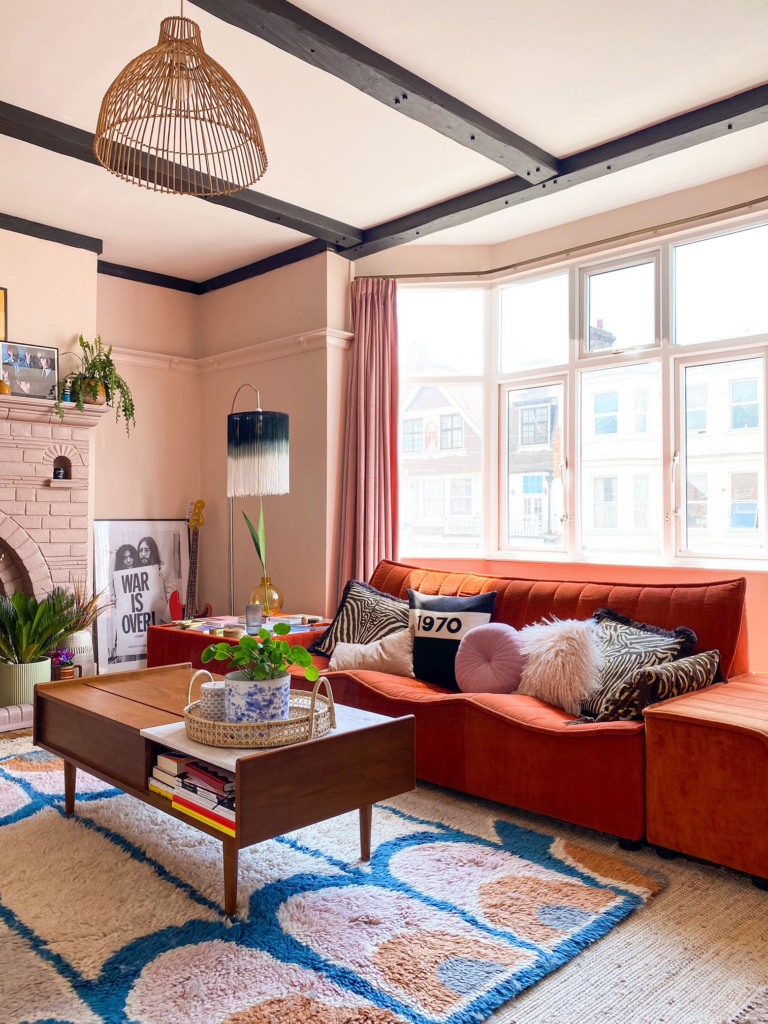
Renters face a furniture problem homeowners rarely think about: every piece has to work in a space you don’t fully control and might not live in for long. Buy too permanent, and you risk damage deposits or furniture that doesn’t fit the next place. Buy too disposable, and you’re replacing everything every year or two, which ends up costing more in the long run.
The solution isn’t choosing between style and practicality — it’s choosing furniture specifically suited to renting: flexible, damage-free, and genuinely portable. Here’s how to actually do that well.
The Renter’s Furniture Mindset: Build for Mobility, Not Permanence
Homeowners can design a room around a home’s exact layout, wiring, and walls. Renters need a different mental model — furniture chosen for adaptability across multiple spaces, not just the current one.
Before buying anything as a renter, ask two questions most people skip:
- Will this piece still make sense in a differently shaped room?
- Can I move this myself, or will it require professional movers every time?
Furniture that passes both tests tends to save renters significant money and stress over multiple moves.
Avoid Built-In and Wall-Dependent Furniture
It’s tempting to maximize a rental with wall-mounted shelves, built-in-style desks, or heavily anchored furniture — but these create two problems: potential damage to walls (risking your deposit) and pieces that simply won’t transfer to your next home’s layout.
Better alternatives:
- Freestanding bookshelves instead of wall-mounted shelving — same storage function, zero wall damage, and fully portable.
- Leaning or freestanding mirrors instead of wall-mounted ones.
- Modular shelving units that can be reconfigured to fit different wall lengths and room shapes.
Choose Furniture That Disassembles Easily
One of the most overlooked renter-friendly features is how easily a piece comes apart for moving. Furniture that requires disassembly tools and instructions to move (rather than professional dismantling) saves significant moving costs over time.
Look for:
- Flat-pack or knockdown furniture with simple screw-and-bolt assembly, designed to be taken apart and reassembled multiple times without weakening.
- Sofas with removable legs rather than fixed frames, making tight doorways, stairwells, and elevators far easier to navigate.
- Bed frames with simple bolt-together designs instead of welded or glued permanent frames.
Protect Floors and Walls Without Sacrificing Style
Rental damage deposits are frequently lost over avoidable furniture-related marks — scuffed floors, dented walls, or stained carpets. A few small additions prevent most of this:
- Felt pads under all furniture legs prevent floor scratches from chairs, tables, and sofas, especially on hardwood or laminate flooring.
- Furniture with rounded or padded edges near walls and doorways reduces accidental wall dings during regular use.
- Rugs under heavier furniture distribute weight and protect flooring from indentation marks, particularly useful for sofas and bed frames left in one place for extended periods.
Renter-Friendly Alternatives to Permanent Fixtures
Many “built-in” looks can be recreated with freestanding furniture that requires zero property modification:
- Room dividers or folding screens instead of built-in partition walls — useful for studio apartments needing a visual separation between sleeping and living areas.
- Freestanding closet/wardrobe units instead of built-in closets, especially valuable in older rentals with limited storage.
- Command-strip-mounted lightweight shelving for decorative, low-weight storage that leaves no wall damage upon removal.
- Adhesive or peel-and-stick furniture accents (like removable drawer pulls or trim) that can be swapped without permanent alteration.
Buying Strategy: What to Invest In vs. What to Keep Flexible
Not every piece of rental furniture needs the same buying strategy. Splitting purchases into two categories helps balance cost and practicality:
Invest in quality (things that move with you long-term):
- Bed frame and mattress
- A good sofa
- A solid dining table
These are used daily, benefit the most from comfort and durability, and are worth the investment since they’ll likely follow you across multiple rentals.
Keep flexible and lower-cost (things tied closely to a specific space):
- Shelving units sized to a particular room
- Area rugs sized to a specific layout
- Curtains and window treatments (sizes vary drastically between rentals)
This split prevents renters from either overspending on furniture that might not fit the next place, or underspending on pieces that genuinely deserve durability.
Furniture Rental and Secondhand Options Worth Considering
For renters who move frequently or aren’t sure how long they’ll stay in a city, buying everything outright isn’t always the most practical option.
- Furniture rental services allow access to quality pieces without the commitment or moving hassle of ownership — often a smart option for short-term leases.
- Secondhand marketplaces frequently offer solid wood or well-made furniture at a fraction of retail price, particularly useful for larger investment pieces like sofas or dining tables.
- Buy-and-resell strategy — purchasing decent-quality furniture with resale value in mind (neutral colors, solid construction) makes it easier to recover some cost when moving somewhere the piece no longer fits.
Measuring Before Every Move: The Step Renters Skip Most
A huge portion of rental furniture problems come down to one avoidable mistake: not measuring the new space before moving existing furniture in.
Before any move:
- Measure doorways, hallway widths, and staircases — not just the room itself — to confirm larger pieces will actually fit through.
- Measure ceiling height for tall items like wardrobes or bookshelves.
- Compare furniture dimensions against the new room’s layout, not just its total square footage, since awkward shapes can make a technically “large enough” room unworkable for certain pieces.
Final Thoughts: Renter-Friendly Doesn’t Mean Style-Free
Furnishing a rental well isn’t about avoiding style — it’s about choosing pieces intelligently so your home looks and feels complete without risking your deposit or creating expensive moving headaches down the line.
The best renter furniture strategy treats flexibility as a design feature, not a compromise: pieces that move easily, protect the space they’re in, and adapt to wherever life takes you next. Done right, a rental can feel just as personal and put-together as any owned home — without the constant worry of what happens at move-out.
