
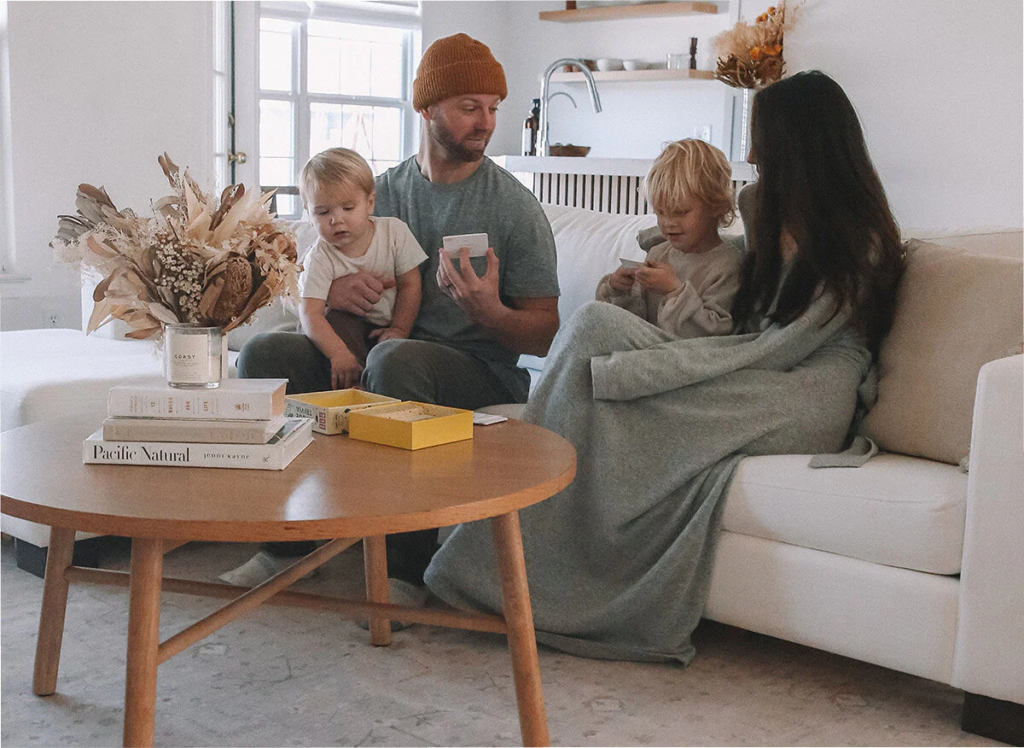
Furnishing a home with kids is a completely different challenge than furnishing one without them. It’s not just about how a piece looks — it’s about whether it can survive being climbed on, spilled on, jumped from, and used in ways it was never technically designed for. Yet most furniture buying advice completely ignores this reality.
This guide focuses specifically on what actually matters when choosing furniture for a home with children — safety, durability, and practicality — without turning your home into something that looks purely functional and joyless.
Rethink “Durable” When Kids Are Involved
Durability for a childless home usually means “resists years of normal wear.” Durability for a home with kids means something much more demanding: resisting spills, scratches, climbing, jumping, and the occasional thrown toy — often daily.
This changes what “quality” should mean in your buying decisions. A delicate designer chair that looks stunning but scratches easily isn’t a smart investment in a home with active kids, regardless of how well-made it technically is.
Safety First: What to Check Before Buying Anything
1. Furniture Stability and Anti-Tip Risk
Tall, freestanding furniture — bookshelves, dressers, TV units — poses a genuine tipping hazard in homes with young children who climb or pull on furniture for support.
- Prioritize furniture with a wider, heavier base relative to its height.
- Use anti-tip anchors (wall straps) on tall dressers, bookshelves, and TV stands regardless of how sturdy they seem.
- Avoid top-heavy furniture where drawers or shelves are concentrated near the top rather than the base.
2. Sharp Corners and Edges
Coffee tables, TV units, and low shelving at a toddler’s head height are common sources of injury from sharp corners.
- Rounded or beveled edges are significantly safer than sharp 90-degree corners on low furniture.
- Corner guards can retrofit existing sharp-edged furniture without needing full replacement.
3. Material Safety
- Check for low-VOC or child-safe finish certifications, particularly on cribs, changing tables, and furniture young children are likely to chew or mouth.
- Avoid furniture with small, detachable decorative parts (knobs, trims) that could become choking hazards for younger children.
Choosing Fabrics and Finishes That Survive Real Life
Upholstery
- Performance fabrics (stain-resistant, tightly woven synthetic or treated natural blends) handle spills far better than delicate fabrics like silk or loosely woven linen.
- Darker or patterned upholstery hides stains and marks more effectively than solid light colors, without requiring obsessive cleaning.
- Removable, washable cushion covers turn a potential stain disaster into a simple laundry task.
Wood and Hard Surfaces
- Matte or satin finishes hide scratches better than high-gloss finishes, which show every mark clearly.
- Solid wood can typically be sanded and refinished after years of wear, while veneer or laminate surfaces show damage permanently once scratched through.
Flooring-Adjacent Furniture
- Furniture legs with protective caps prevent both floor damage and reduce injury risk from sliding chairs.
Room-by-Room Furniture Considerations
Living Room
- Choose a coffee table with rounded edges or consider an ottoman-style coffee table, which is both softer and safer than hard wood or glass options.
- Avoid glass-top tables in homes with young, active children — the injury and breakage risk generally outweighs the aesthetic benefit.
- Slipcovered or performance-fabric sofas handle spills and stains far better than delicate upholstery.
Kids’ Bedrooms
- Furniture that grows with the child (adjustable-height beds, convertible cribs, extendable desks) reduces the need for frequent full replacements as kids grow.
- Low, stable furniture reduces climbing-related tipping risk in younger children’s rooms specifically.
- Storage at child height (low shelves, accessible bins) encourages kids to participate in tidying up, which indirectly reduces overall household clutter.
Dining Area
- A table with a durable, easy-to-wipe surface (laminate, sealed wood, or solid surface material) handles daily spills better than porous or unsealed wood.
- Chairs with wipeable seats save significant cleaning time compared to fully upholstered dining chairs in a home with young kids.
Multi-Stage Furniture: A Smart Long-Term Investment
Kids grow fast, and furniture that only works for one age stage often needs replacing within a couple of years. Multi-stage furniture, while sometimes pricier upfront, tends to save money and hassle over time.
- Convertible cribs that transform into toddler beds and later into full-size beds extend usability by several years.
- Adjustable-height desks and chairs grow with a child from early school years into teens.
- Modular storage systems can be reconfigured as a child’s needs shift from toy storage to books, clothes, and study materials.
Balancing Kid-Proofing with Actual Style
A common misconception is that kid-friendly furniture has to look purely practical or childish. In reality, many performance fabrics, durable finishes, and safety-conscious designs are available in genuinely stylish options — the key is knowing what to prioritize during the buying process rather than assuming safety and style are mutually exclusive.
A few practical style compromises that work well in family homes:
- Choose one or two statement pieces that are lower-risk (a stylish console table against a wall, away from high-traffic climbing zones) while keeping high-contact furniture (sofas, coffee tables) practical and durable.
- Use removable, swappable décor (cushions, throws, art) to keep a room feeling stylish and current, while the core furniture stays durable and functional underneath.
Common Mistakes Parents Make When Furniture Shopping
- Buying the most delicate option “for now” and planning to upgrade later — this usually costs more in the long run through repairs or early replacement.
- Skipping anti-tip anchoring on tall furniture, assuming a piece “looks sturdy enough.”
- Choosing glass or sharp-edged coffee tables purely for aesthetics in homes with toddlers.
- Ignoring growth stages and buying furniture that will be outgrown or outsized within a year or two.
Final Thoughts: Design for the Family You Actually Have
Furnishing a home with kids isn’t about compromising on style — it’s about designing intentionally for how the space will actually be used. Furniture that’s stable, durable, easy to clean, and safety-conscious doesn’t just protect your kids; it protects your investment, reducing the constant cycle of replacing furniture that wasn’t built to handle real family life.
The families with the most functional, good-looking homes usually aren’t the ones who bought the most expensive furniture — they’re the ones who bought furniture suited to the life actually happening inside their home.
