
Buying good furniture is only half the equation. Even the best-built sofa or dining table will wear down faster than expected without proper care — and most furniture damage isn’t caused by heavy use, but by small, everyday habits that slowly break things down.
This guide covers practical, material-specific maintenance that actually extends the life of your furniture, without requiring expensive products or excessive effort.
Why Maintenance Matters More Than People Think
Furniture doesn’t usually fail all at once — it degrades gradually through small, repeated stress: sunlight fading fabric, dust grinding into wood finishes, spills soaking into unsealed surfaces, or joints loosening from repeated shifting. Most of this damage is entirely preventable with a few consistent habits.
The good news is that furniture maintenance doesn’t need to be complicated or time-consuming. A handful of small, regular actions prevent the vast majority of long-term damage.
Wood Furniture: Protect the Finish, Not Just the Surface
Wood furniture is durable, but its finish — not the wood itself — is what actually takes daily wear.
Do:
- Dust regularly with a soft, dry cloth. Built-up dust acts like fine sandpaper over time, dulling the finish.
- Use coasters and placemats consistently, especially for hot or wet items, to prevent ring marks and moisture damage.
- Keep wood furniture away from direct, prolonged sunlight, which causes fading and can dry out the wood over time.
- Apply furniture wax or polish occasionally (every few months, not weekly) to maintain the finish’s protective layer.
Avoid:
- Harsh chemical cleaners, which can strip natural oils from the finish and cause it to look dull or patchy.
- Placing wood furniture directly next to heating vents or radiators, which causes uneven drying and potential cracking.
- Wiping up spills with excessive water, which can seep into seams and joints, weakening glue over time.
Upholstered Furniture: Fabric Needs Different Care Than People Assume
Upholstery damage usually comes from two sources: sun exposure and improper cleaning — not just general use.
Do:
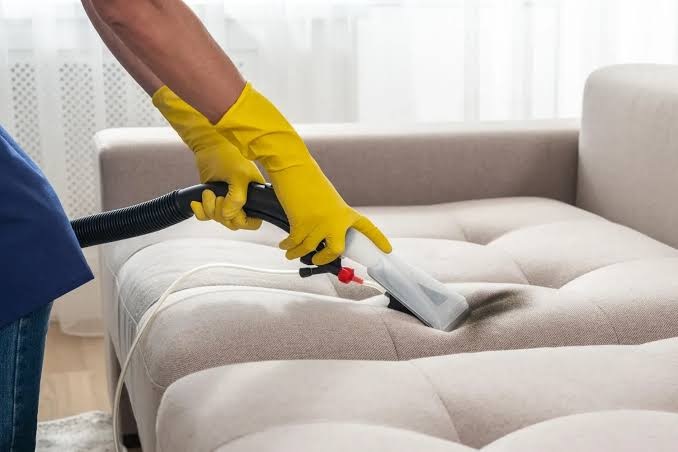
- Vacuum upholstery regularly using a soft brush attachment to remove dust and debris before it works into the fibers.
- Rotate and flip cushions periodically to distribute wear evenly across the piece.
- Blot spills immediately rather than rubbing, which pushes liquid deeper into the fabric and padding.
- Check fabric care labels before cleaning — many fabrics require specific cleaning codes (W for water-based, S for solvent-based, WS for either) to avoid damage.
Avoid:
- Placing upholstered furniture in direct sunlight for extended periods, which fades and weakens fabric fibers significantly faster than normal wear.
- Using generic all-purpose cleaners without checking fabric compatibility first, which can cause discoloration or staining.
- Ignoring small stains — they become significantly harder to remove the longer they set into the fabric.
Leather Furniture: Needs Conditioning, Not Just Cleaning
Leather is durable but requires a different care approach than fabric — primarily because it can dry out and crack without proper conditioning.
Do:
- Wipe leather with a slightly damp cloth regularly to remove dust and oils from everyday contact.
- Condition leather every few months with a leather-specific conditioner to prevent drying and cracking, especially in low-humidity climates.
- Keep leather furniture away from direct heat sources and prolonged sun exposure, both of which accelerate drying and fading.
Avoid:
- Using household cleaning products not specifically designed for leather, which can strip its natural oils.
- Placing sharp or rough objects (keys, zippers, pet claws) in direct contact, which can scratch or puncture the surface.
Metal Furniture: Watch for Rust and Loose Joints
Metal furniture, especially outdoor or high-humidity indoor pieces, faces different risks than wood or fabric.
Do:
- Wipe down regularly to remove moisture buildup, which is the leading cause of rust over time.
- Check and tighten screws or bolts periodically, especially on chairs and tables with frequent movement or weight-bearing joints.
- Apply a light coat of protective wax on outdoor metal furniture seasonally to guard against weather exposure.
Avoid:
- Leaving metal furniture consistently damp or exposed to standing water, which accelerates corrosion.
- Ignoring small rust spots — they spread and weaken structural integrity if left untreated.
Glass Furniture: Simple Care, But Handle With Attention
Glass surfaces are relatively low-maintenance but benefit from a few specific habits to avoid scratching or cloudiness.
Do:
- Clean with a dedicated glass cleaner and a microfiber cloth to avoid streaking and micro-scratches from rougher materials.
- Use felt or rubber pads under glass tabletops resting on other furniture to prevent surface-level scratching over time.
Avoid:
- Abrasive cloths or paper towels, which can create fine scratches invisible until light hits the surface at certain angles.
- Placing extremely hot items directly on glass, which can cause thermal stress and, in rare cases, cracking.
General Habits That Extend Any Furniture’s Life
Regardless of material, a few universal habits significantly extend furniture lifespan:
- Lift, don’t drag. Dragging furniture across floors stresses legs, joints, and frames far more than lifting does, even for small repositioning.
- Distribute weight evenly. Regularly sitting on the edge of a sofa or chair, rather than centered, gradually weakens frame and cushion support unevenly.
- Address wobbles early. A slightly loose joint or leg, left unaddressed, tends to worsen quickly under continued use — tightening it early prevents larger structural issues later.
- Control humidity where possible. Extreme humidity swings cause wood to expand and contract, which can lead to warping, cracking, or joint loosening over time.
- Rotate and rearrange occasionally. Furniture that never moves develops uneven wear patterns on both the furniture and the flooring beneath it.
A Simple Seasonal Maintenance Routine
Spreading maintenance across the year keeps furniture care manageable rather than overwhelming:
- Weekly: Dust surfaces, vacuum upholstery, wipe down high-touch areas.
- Monthly: Check and tighten loose screws or joints, rotate cushions, spot-clean stains.
- Every few months: Polish or wax wood furniture, condition leather pieces, deep-clean upholstery if needed.
- Seasonally: Inspect outdoor or metal furniture for rust or weather damage, adjust furniture placement if sunlight patterns have shifted.
Final Thoughts: Small, Consistent Care Beats Occasional Deep Cleaning
The furniture that lasts decades isn’t necessarily the most expensive — it’s usually the furniture that received small, consistent care rather than being ignored until visible damage appeared. A few minutes of regular maintenance, spread across the year, prevents the vast majority of wear that eventually forces early replacement.
Treat furniture care the same way you’d treat any long-term investment: a little consistent attention now saves significant cost and hassle later.
