
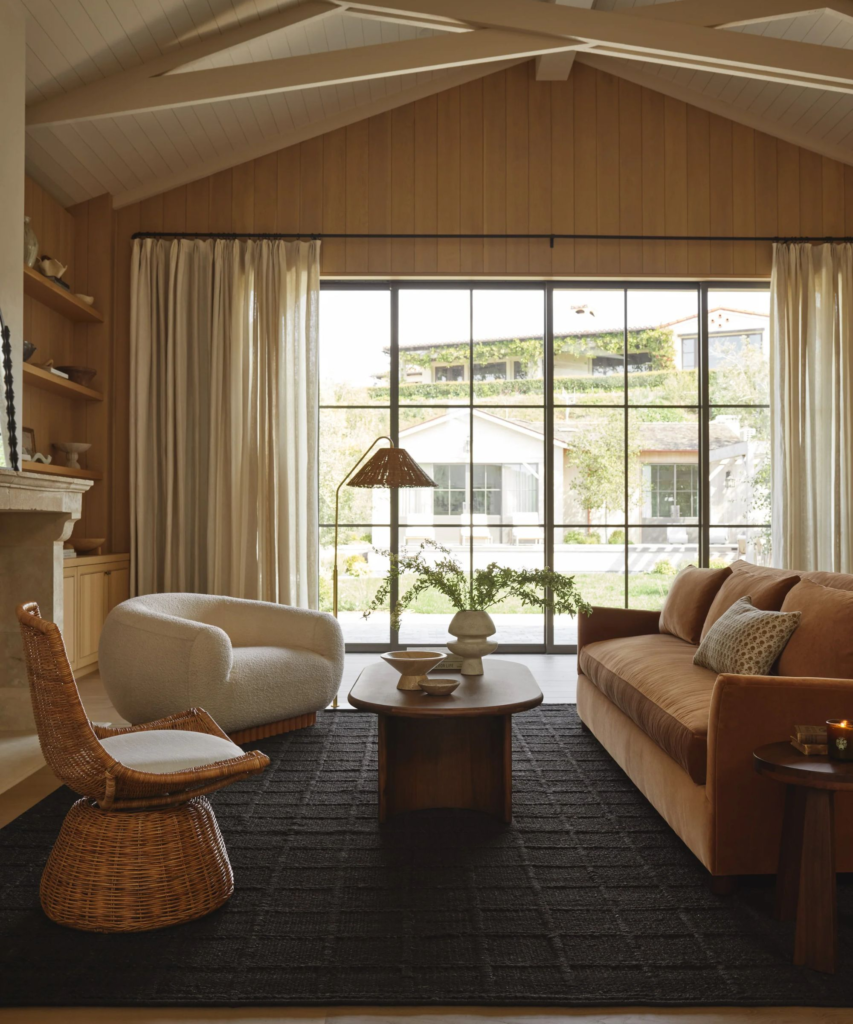
Furniture trends move slower than fashion, but they move — and the difference between a trend worth investing in and one that will look dated in two years usually comes down to whether it’s rooted in genuine design shifts or just a passing aesthetic moment. Here’s a grounded look at where furniture design is heading, and how to tell which trends are worth building a room around.
Curved and Organic Shapes Are Here to Stay
After roughly a decade dominated by sharp angles, mid-century-inspired tapered legs, and boxy modular sectionals, furniture design has shifted noticeably toward softer, more organic silhouettes. Curved sofas, rounded coffee tables, and arched headboards have moved from niche design-forward pieces into the mainstream.
This shift isn’t purely aesthetic — curved furniture tends to improve flow in a room, softening what can otherwise feel like a grid of rectangular shapes. It’s a trend with real functional logic behind it, which makes it more likely to have staying power than a purely visual fad.
Warm, Saturated Color Is Replacing All-Neutral Palettes
The all-gray, all-beige interior that dominated the last decade is giving way to warmer, more saturated color choices — deep terracottas, olive and forest greens, burgundy, and warm browns are showing up in upholstery, cabinetry, and accent furniture far more than they did even five years ago.
This shift reflects a broader move away from resale-driven, ultra-neutral decorating toward rooms designed around personal preference rather than the widest possible buyer appeal. For anyone building a long-term home rather than staging for a sale, this is a trend worth embracing.
Solid Wood Is Making a Real Comeback
After years of laminate and engineered wood dominating mid-range furniture, solid wood — often in warmer tones like walnut and cherry rather than the pale oak that was popular in the Scandinavian-influenced 2010s — is becoming a stronger selling point again. Buyers are increasingly willing to pay more for real materials that will last and age well, rather than defaulting to the cheapest available option.
This trend aligns closely with a broader interest in furniture longevity and sustainability, discussed in more detail elsewhere — it isn’t just about looks, but about buying furniture meant to last rather than be replaced.
Vintage and Antique Mixing Is Increasingly Mainstream
What was once considered an advanced design move — pairing modern furniture with genuine antique or vintage pieces — has become far more accessible and common, largely thanks to online vintage marketplaces making sourcing dramatically easier than it used to be.
This trend shows every sign of continuing, since it solves a real problem (uniform, mass-produced interiors) rather than chasing a purely visual style. Expect vintage mixing to keep growing as more people discover how much character and value it adds relative to buying everything new.
Textural Layering Over Pattern
Where past trends leaned on bold patterns — florals, geometric prints, statement wallpaper-matching upholstery — current design is leaning more toward layered texture: bouclé, linen, woven rattan, nubby wool, and varied wood grains working together rather than a single dominant pattern.
This is a more sustainable trend from a longevity standpoint, since texture-driven rooms tend to age better and feel less tied to a specific design moment than heavily patterned ones.
Trends Worth Watching Skeptically
Not every furniture trend is built to last. A few showing up frequently right now are worth approaching with more caution before committing a full room to them:
Ultra-specific micro-trends tied to social media aesthetics — certain color combinations or styling approaches that spike quickly in popularity often fade just as fast. If a look feels like it emerged in the last six months specifically because of viral content, it’s a higher-risk investment for large furniture purchases.
Overly matched “collection” furniture marketed as curated — some brands now sell entire room sets marketed as an alternative to basic matching furniture, while still being just as uniform once you look closely. A genuinely curated room comes from mixed sourcing, not a single collection renamed to sound intentional.
Trend-driven novelty shapes with no functional benefit — occasionally, a furniture shape trends purely for visual novelty without improving comfort or usability. These pieces often look striking in photos but prove impractical in daily use, and tend to fall out of favor as quickly as they rose.
How to Use Trends Without Being Ruled by Them
The healthiest way to engage with furniture trends is to separate them into two categories: trends reflecting genuine, lasting shifts in how people want to live (more warmth, more texture, more longevity, more individuality) and trends reflecting a passing aesthetic moment.
A useful test: would this piece still feel considered and intentional in ten years, or does it only make sense within the specific visual language of this exact moment? Curved sofas, solid wood furniture, and vintage mixing generally pass that test. A furniture shape trending primarily because it performed well on social media for a few months generally does not.
For lower-cost, easily changed elements — a throw pillow fabric, a lamp, a small accent piece — trend-chasing carries little risk. For major investments like a sofa, dining table, or bed frame, it’s worth leaning toward pieces with a track record of holding up in both durability and design relevance, rather than the newest visual moment.
The Bigger Shift Behind the Trends
Underneath the specific colors and shapes currently in favor, the larger trend across furniture design right now is a move away from mass-produced uniformity and toward intentionality — real materials, mixed sourcing, and rooms built around individual taste rather than the broadest possible market appeal. That shift is likely to keep shaping furniture design well beyond any single color or silhouette trend, which makes it the most reliable one to build a home around.
