
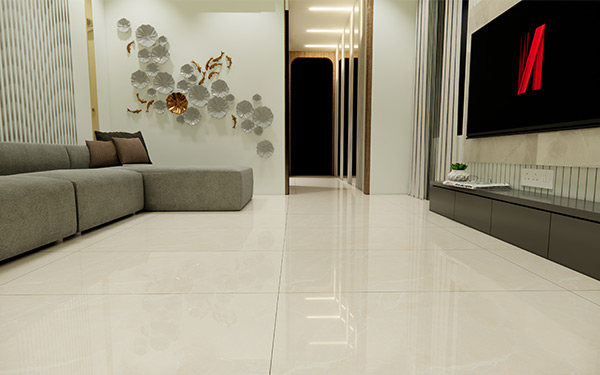
Flooring is one of the biggest investments you’ll make in your home, both financially and visually. It sets the tone for every room, ties your design elements together, and needs to withstand years of daily wear and tear. With so many materials, styles, and price points available, choosing the right flooring can feel overwhelming.
This guide breaks down the most popular flooring types, how to choose the best option for each room, and practical tips for budgeting, installation, and long-term maintenance.
Why Flooring Choices Matter
Flooring affects far more than aesthetics. It influences comfort underfoot, noise levels, maintenance requirements, and even indoor air quality. Because flooring is expensive and time-consuming to replace, choosing the right material from the start can save significant money and hassle down the road. The best flooring choice balances style, durability, and practicality based on how each room is actually used.
Popular Flooring Types
Hardwood Flooring
Hardwood remains one of the most desirable flooring options thanks to its timeless appeal and the way it can increase home value. Available in a range of wood species, stains, and plank widths, hardwood offers warmth and character that’s hard to replicate. It can be sanded and refinished multiple times over its lifespan, making it a long-term investment. However, it’s more expensive upfront, susceptible to scratches and water damage, and generally not recommended for bathrooms or basements.
Engineered Wood Flooring
Engineered wood consists of a hardwood veneer layered over plywood, offering the look of solid wood with better resistance to humidity and temperature changes. It’s a strong choice for areas where solid hardwood might warp, such as basements or homes in humid climates, though it can typically only be refinished once or twice.
Laminate Flooring
Laminate flooring uses a photographic layer to mimic the look of wood, stone, or tile, topped with a durable protective coating. It’s budget-friendly, easy to install, and highly resistant to scratches, making it a popular choice for busy households. The main downsides are a less authentic feel underfoot and vulnerability to water damage if moisture seeps into seams.
Luxury Vinyl Flooring (LVP/LVT)
Luxury vinyl plank (LVP) and luxury vinyl tile (LVT) have surged in popularity due to their durability, water resistance, and realistic wood or stone-look designs. Vinyl flooring is comfortable underfoot, budget-friendly compared to hardwood or natural stone, and well-suited for kitchens, bathrooms, and basements where moisture is a concern.
Tile Flooring
Ceramic and porcelain tile are highly durable, water-resistant, and available in nearly unlimited colors, patterns, and finishes. Porcelain tile is denser and more water-resistant than ceramic, making it ideal for bathrooms and outdoor spaces. Tile can feel cold and hard underfoot, so it’s often paired with rugs in living spaces.
Natural Stone Flooring
Materials like marble, travertine, and slate offer a luxurious, one-of-a-kind look. Natural stone is extremely durable but requires regular sealing to prevent staining and can be a significant investment both in materials and installation.
Carpet
Carpet remains a popular choice for bedrooms and living rooms due to its softness, warmth, and noise-reducing qualities. It comes in a wide range of textures, colors, and pile heights, though it requires more maintenance and isn’t ideal for high-moisture areas or households with allergy concerns.
Concrete Flooring
Polished concrete has become a popular choice in modern and industrial-style homes. It’s extremely durable and low-maintenance, though it can feel cold and hard underfoot, making area rugs a practical addition in living spaces.
Choosing Flooring by Room
Kitchen
Kitchens need flooring that can handle spills, heavy foot traffic, and dropped dishes. Luxury vinyl, tile, and engineered wood are top choices thanks to their durability and water resistance.
Bathroom
Because of constant moisture exposure, tile and luxury vinyl are the best-performing options for bathrooms. Natural stone is also popular for a high-end look but requires diligent sealing and maintenance.
Bedroom
Comfort is the priority in bedrooms, making carpet a popular choice for its softness underfoot. Hardwood or engineered wood paired with area rugs is another popular combination that balances style and coziness.
Living Room
Living rooms benefit from durable, stylish flooring that can handle daily use. Hardwood, engineered wood, and luxury vinyl are all strong choices, often paired with area rugs to define seating areas.
Basement
Basements are prone to moisture, making engineered wood, luxury vinyl, and tile better choices than solid hardwood or carpet, which can be damaged by dampness or occasional flooding.
Entryway and Mudroom
High-traffic entry areas benefit from extremely durable, easy-to-clean flooring like tile, luxury vinyl, or polished concrete, which can handle dirt, water, and heavy use.
Flooring Durability and Maintenance Comparison
- Hardwood requires periodic refinishing and protection from water and scratches, but can last for generations with proper care.
- Engineered wood needs less maintenance than solid hardwood but should still be protected from standing water.
- Laminate is scratch-resistant and low-maintenance but can’t be refinished and is vulnerable to moisture at the seams.
- Luxury vinyl is highly durable, water-resistant, and requires minimal maintenance beyond regular cleaning.
- Tile is extremely durable and water-resistant, though grout lines require periodic cleaning and occasional resealing.
- Natural stone requires regular sealing to prevent staining and etching from acidic substances.
- Carpet requires regular vacuuming and periodic deep cleaning, and is more prone to staining and wear over time.
Budgeting for New Flooring
Flooring costs vary significantly based on material, quality, and installation complexity.
- Get multiple quotes from flooring installers to compare material and labor costs.
- Factor in removal costs for existing flooring, which can add to the overall project budget.
- Consider long-term value, not just upfront cost — some cheaper materials may need replacement sooner, costing more over time.
- Order extra material — most professionals recommend purchasing 5-10% more flooring than your exact measurements to account for cuts and waste.
- Ask about warranty coverage, as flooring warranties vary widely between manufacturers and materials.
DIY vs. Professional Installation
When DIY Makes Sense
Laminate and click-lock luxury vinyl flooring are generally the most DIY-friendly options, thanks to straightforward installation systems that don’t require specialized tools or extensive experience.
When to Hire a Professional
Hardwood, tile, and natural stone installations typically require professional expertise to ensure proper subfloor preparation, precise cuts, and long-term durability. Improper installation of these materials can lead to costly issues like uneven flooring, cracked tile, or gaps in hardwood over time.
How to Choose Flooring Color and Style
Consider Natural Light
Rooms with limited natural light often benefit from lighter flooring tones, which help the space feel brighter and larger. Darker flooring works well in bright, sunlit rooms, adding warmth and contrast.
Match Your Home’s Overall Style
Wide-plank hardwood suits modern and farmhouse interiors, while intricate tile patterns work well in traditional or bohemian-style homes. Choosing flooring that complements your home’s overall design creates a more cohesive look throughout.
Think About Resale Value
Neutral flooring tones tend to appeal to a broader range of buyers and are generally a safer choice if you’re considering future resale value, compared to bold or trend-specific colors.
Common Flooring Mistakes to Avoid
- Choosing style over function, resulting in flooring that doesn’t hold up to a room’s actual use, such as hardwood in a high-moisture bathroom.
- Skipping proper subfloor preparation, which can lead to uneven installation and premature wear.
- Underestimating material needs, resulting in project delays or mismatched dye lots when reordering.
- Ignoring maintenance requirements, leading to flooring that looks worn or damaged sooner than expected.
- Overlooking transitions between rooms, which can create an inconsistent or unfinished look if not planned carefully.
Final Thoughts
Choosing the right flooring involves balancing style, durability, and how each room in your home is actually used. By understanding the strengths and limitations of different materials — from hardwood and tile to luxury vinyl and carpet — you can make a confident decision that suits both your design vision and your budget. Since flooring is a long-term investment, taking the time to research and plan carefully will pay off in a home that looks great and performs well for years to come.
